How to Prune Skunk-bush sumac?
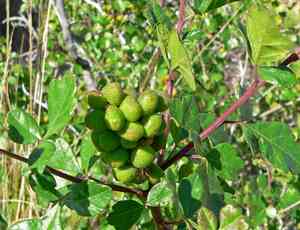
A leaf-shedding shrub recognized for its fragrant leaves and compact development, skunk-bush sumac flourishes with appropriate upkeep. Essential trimming methods include excising lifeless or ailing wood, reducing congested limbs to enhance light and air movement, and sculpting for visual appeal or dimension management. The most favorable time for pruning is in late winter to early spring, while the plant is inactive, to encourage robust fresh growth without compromising flowering. Pruning revitalizes skunk-bush sumac and preserves its well-being and preferred structure.
What Are the Benefits of Pruning Skunk-bush Sumac?
What Are the Benefits of Pruning Skunk-bush Sumac?
Trimming skunk-bush sumac stimulates robust development by encouraging new shoots and maintaining its form. It ensures the plant stays healthy and visually appealing in garden areas.
What Is the Best Time for Pruning Skunk-bush Sumac?
What Is the Best Time for Pruning Skunk-bush Sumac?
Late winter and early spring are considered optimal times for trimming skunk-bush sumac as these periods directly precede the plant's active growth phase. Pruning during late winter, while the plant is still dormant, minimizes stress and allows skunk-bush sumac to recover and channel energy into new growth as temperatures rise. Early spring pruning is also advantageous for clearing any winter damage before new growth begins. This timing helps preserve the plant's natural shape, fosters a healthier structure, and promotes vigorous growth. It's crucial to avoid pruning skunk-bush sumac in late summer or fall because new growth might not harden off before winter, potentially leading to frost damage. Pruning before the plant's bloom period ensures that flowering and fruiting are not negatively impacted.
What Tools Do I Need to Prune Skunk-bush Sumac?
Hand Pruners
For smaller branches and detailed work on skunk-bush sumac, bypass hand pruners are ideal. They create clean cuts, aiding in healthy regrowth. Bypass pruners operate like scissors, with two blades moving past each other to make the cut.
Loppers
When dealing with thicker branches, up to 1 1/2 inches in diameter, loppers provide the necessary leverage. Given the dense growth of skunk-bush sumac, loppers with long handles can reach into the shrub without harming surrounding plants or the user.
Pruning Saw
For the largest branches of skunk-bush sumac that are over 1 1/2 inches thick, a pruning saw is essential. Its serrated blade allows for cutting through thick wood with ease, which is important as mature skunk-bush sumac can develop substantial branches.
Hedge Shears
In instances where shaping skunk-bush sumac is the objective, particularly for creating hedges or borders, hedge shears can be used to trim and shape the foliage. These are suitable for lighter, more delicate work and not for significant branch removal.
How to Prune Skunk-bush Sumac
Preparation
Gather sharp, clean pruning shears or a saw for larger branches. Sanitize tools with rubbing alcohol to prevent disease spread during pruning.
Cutting dead branches
Identify and remove dead branches at their junction with healthy wood, making a clean, angled cut just above the branch collar to avoid damaging skunk-bush sumac's growth.
Removing diseased branches
Eliminate any diseased branches by cutting well into the healthy tissue to ensure all infected material is removed, thereby preventing further infection of skunk-bush sumac.
Disposal cleanup
Properly discard all cuttings, especially diseased material, to prevent the spread of disease or pests. Clean the area around skunk-bush sumac to maintain a tidy growing environment.
Post pruning care
Check skunk-bush sumac for additional signs of stress or disease and monitor healing over time. Apply pruning sealant to larger cuts to protect skunk-bush sumac from pests and decay.
Common Pruning Mistakes with Skunk-bush Sumac
Overpruning
Removing excessive foliage from skunk-bush sumac, which can stress the plant and lead to poor growth or even death.
Cut position
Cutting too close to, or too far from, the main stem or branch can result in improper healing and disease entry.
Pruning blindly
Lack of a clear pruning objective when approaching skunk-bush sumac can lead to aesthetic and health issues for the plant.
Ignoring dead wood
Failing to remove dead or diseased wood which can harbor pests and diseases that may affect the overall health of skunk-bush sumac.
Tool maintenance
Using dull or dirty tools can cause unnecessary damage to skunk-bush sumac branches and make them more susceptible to disease.
Common Pruning Tips for Skunk-bush Sumac
Clean cuts
Make clean cuts at a 45-degree angle away from a bud to promote proper healing and new growth in skunk-bush sumac.
Pruning goal
Always have a clear goal, such as shaping the plant or encouraging flowering, to guide pruning decisions for skunk-bush sumac.
Health maintenance
Regularly inspect skunk-bush sumac for dead, diseased, or damaged wood, and remove these as soon as possible to maintain plant health.
Rejuvenation pruning
Consider rejuvenation pruning if skunk-bush sumac is overgrown or has lost its shape, but do so gradually over a few seasons to avoid stressing the plant.
Disinfect tools
Disinfect pruning tools before use on skunk-bush sumac to prevent the spread of pathogens between plants or parts of the same plant.



