How to Prune Lemonade Berry?
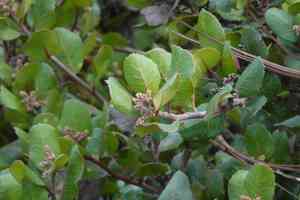
Originating from the Californian coast, lemonade Berry is an evergreen bush characterized by its dark green foliage and groupings of pink blossoms. Trimming should primarily involve excising deceased or ailing branches, sculpting the plant, and managing its dimensions. The most suitable time for pruning is during the winter season when the plant is inactive. Key points to remember include refraining from excessive pruning, as lemonade Berry can only withstand moderate cutting; this practice fosters robust development and preserves its inherent shape. The advantages of trimming encompass enhancing air movement and mitigating problems with pests.
Advantages of Trimming Lemonade Berry
Advantages of Trimming Lemonade Berry
Trimming lemonade Berry promotes robust development and maintains its desired form. Strategic cuts foster a strong framework, enhancing sun exposure and air circulation, resulting in a healthier specimen.
Optimal Period for Trimming Lemonade Berry
Optimal Period for Trimming Lemonade Berry
Trimming lemonade Berry during late winter to early spring is most advantageous due to the plant's dormant state in colder months. This timing minimizes plant stress and encourages vigorous spring growth post-trimming. It aids in preventing disease spread, as many pathogens are less active in cold weather. Furthermore, cutting back the plant before it allocates energy to spring growth ensures resources are directed to new, healthy development rather than sustaining potentially damaged or unproductive branches. Since lemonade Berry flowers on new growth, trimming in late winter to early spring stimulates blooming and fruit set for the season. Care should be taken to avoid trimming too late in the spring, as this can reduce flowering and subsequent lemonade berry production.
Essential Tools for Trimming Lemonade Berry
Hand Pruners
Perfect for cutting small branches and shaping lemonade Berry, hand pruners offer precision and are easy to operate. Choose bypass pruners for cleaner cuts and less plant damage.
Loppers
Suitable for larger branches up to 2 inches in diameter. The extended handles provide leverage to cut through thicker growth without straining the plant or the gardener.
Pruning Saw
Required for branches and stems thicker than 2 inches, where hand pruners and loppers are insufficient. Allows for clean cuts on the largest branches of lemonade Berry.
Hedge Shears
Beneficial for trimming and shaping lemonade Berry, especially for maintaining hedges or dense foliage. They enable quick, uniform cuts across the greenery.
Pruning Gloves
Protect the gardener's hands from thorns and sap, which can be irritating or sticky, when trimming lemonade Berry.
How to Trim Lemonade Berry
Identify
Thoroughly inspect lemonade Berry to pinpoint withered leaves, dead branches, and any indications of diseased branches. Look for leaves that are dry and brittle and branches that are fragile or show discoloration or signs of fungal infection.
Sterilize
Before commencing the trimming process, sterilize your pruning tools to prevent disease transmission. Use a solution of 1 part bleach to 9 parts water or rubbing alcohol to clean the blades.
Trim Withered Leaves
Carefully remove withered leaves from lemonade Berry using a pair of hand pruners or garden scissors. Make a clean cut close to the stem to avoid leaving stubs that could attract pests.
Trim Dead Branches
Cut off dead branches from lemonade Berry using sharp, clean pruners or a saw for larger branches. Make cuts just outside the branch collar, the swollen area where the branch meets the trunk, being careful not to harm it.
Trim Diseased Branches
Remove diseased branches from lemonade Berry by trimming them back to healthy wood. If the disease has spread throughout a significant portion of the branch, it may be necessary to remove the entire branch to prevent further infection.
Common Trimming Errors with Lemonade Berry
Excessive Trimming
Removing too much growth at once can stress lemonade Berry, leading to reduced vigor and potentially even plant demise. Aim to remove no more than one-third of the plant's total mass in a single session.
Incorrect Cut Placement
Cutting too far from a node can leave a stub that risks disease and pests. Cuts should be made just above nodes or branch junctions to promote healing.
Tearing Bark
Making cuts that tear the bark can expose lemonade Berry to infections and infestations. Use sharp, clean tools to make precise cuts that heal quickly.
Trimming Young Plants
Trimming lemonade Berry too early in its life can hinder its development. Allow young plants to establish themselves for a few years before beginning extensive trimming.
Neglecting Tool Upkeep
Using dull or dirty pruning tools can result in imprecise cuts and spread disease. Keep tools sharp and clean to safeguard lemonade Berry's health.
General Trimming Advice for Lemonade Berry
Selective Trimming
Concentrate on removing only the necessary parts of lemonade Berry, such as dead or diseased branches, to maintain plant health without over-trimming.
Natural Form
Trim to enhance lemonade Berry's inherent growth habit, rather than attempting to force it into an unnatural shape. This preserves the plant's structural integrity.
Crossing Branches
Remove branches that are rubbing or crossing to prevent wounds and potential entry points for disease.
Water Sprouts Suckers
Regularly remove suckers and water sprouts, which are rapid vertical growths, to focus lemonade Berry's energy on the more desirable foliage and branches.
Gradual Trimming
If substantial trimming is required, it is preferable to do it gradually over several seasons, to minimize stress and allow lemonade Berry time to recover between trimmings.



