How to Prune Yunnan rhododendron?
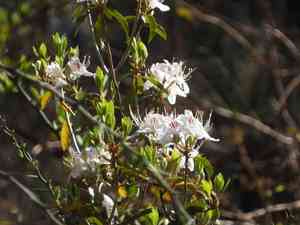
The Yunnan rhododendron is recognized for its vivid blossoms and dense habit. To preserve its form and stimulate robust development, trim it following its blooming period in late spring. Eliminate any deceased or frail branches and thin out congested sections to boost air movement. During the winter, perform light pruning to sculpt the plant. Consistent trimming improves flowering and the plant's general well-being. For peak outcomes, verify that implements are sanitized and sharp, and refrain from excessive pruning, which can cause stress to the plant.
What Are the Benefits of Pruning Yunnan Rhododendron?
What Are the Benefits of Pruning Yunnan Rhododendron?
Yunnan rhododendron benefits from trimming by encouraging robust development and maintaining an ideal form that enhances overall beauty and vitality. Pruning aids in improving air circulation, reducing pest and disease problems, and stimulating more abundant blooming and denser foliage.
What Is the Best Time for Pruning Yunnan Rhododendron?
What Is the Best Time for Pruning Yunnan Rhododendron?
Winter is considered the optimal period for pruning yunnan rhododendron as it represents a dormant phase for the plant. Trimming during this time minimizes stress and lowers the risk of diseases or pests infecting the cut areas. Additionally, winter pruning helps shape yunnan rhododendron before the new growth season commences, ensuring healthy and vigorous flowering in spring.
What Tools Do I Need to Prune Yunnan Rhododendron?
Bypass Pruners
Perfect for making clean cuts on live stems, crucial for maintaining the health of yunnan rhododendron.
Loppers
Useful for cutting thicker branches that are too large for pruners but require precise cuts, ensuring minimal harm.
Pruning Saw
Essential for removing bigger branches that loppers cannot manage, promoting a cleaner cut without tearing.
Shears
Excellent for shaping and minor trimming tasks, helping to preserve the aesthetic form of yunnan rhododendron.
Anvil Pruners
Helpful for eliminating any dead or thicker branches, providing a clean snap without difficulty.
How to Prune Yunnan Rhododendron
Inspection
Carefully examine yunnan rhododendron for withered leaves, dead branches, and diseased branches. This initial evaluation helps pinpoint areas needing attention.
Sterilization
Before starting, sanitize pruning tools with isopropyl alcohol or a bleach solution to prevent disease transmission.
Remove Withered Leaves
Trim away any withered leaves using sharp, sterilized scissors or pruners. Cut close to the leaf's base, ensuring you do not harm the surrounding healthy tissue.
Remove Dead Branches
Cut dead branches back to a point where you observe green healthy wood. If the entire branch is dead, make the cut near the trunk without leaving a stub.
Remove Diseased Branches
For diseased branches, cut back to a healthy section of the branch or to the trunk. Dispose of infected material in the trash rather than compost to prevent disease spread.
Common Pruning Mistakes with Yunnan Rhododendron
Incorrect Technique
Using unsuitable tools or cutting at the wrong angle can harm the plant. It's vital to use sharp, clean pruning shears and make precise cuts to avoid tearing the plant tissue.
Over-pruning
Removing too much of the plant at once can stress yunnan rhododendron and diminish its capacity to produce flowers. It's important to be conservative with the amount of pruning performed in a single session.
Pruning Too Low
Cutting branches too close to the ground can eliminate the plant's natural shape and result in poor growth. Yunnan rhododendron should be pruned to maintain its inherent form and encourage healthy branching.
Ignoring Dead or Diseased Wood
Failing to remove dead or diseased parts of the plant can lead to further health issues and hinder growth. Regularly inspect and remove any compromised wood.
Common Pruning Tips for Yunnan Rhododendron
Sanitize Tools
Always disinfect your pruning tools before and after use to prevent the spread of disease. A solution of one part bleach to nine parts water works effectively for this purpose.
Prune After Flowering
To ensure that you do not remove the next seasonâs flower buds, prune yunnan rhododendron shortly after it has finished blooming. This timing also encourages the plant to set buds for the subsequent year.
Remove Dead and Diseased Wood First
Begin by removing any dead, diseased, or damaged branches. This helps improve the overall health and appearance of yunnan rhododendron and allows for better air circulation.
Use Proper Cutting Technique
Make cuts at a slight angle just above a leaf node or bud. This encourages new growth to develop from the node or bud, leading to a fuller, more attractive plant.
Avoid Heavy Pruning
If yunnan rhododendron requires significant shaping or size reduction, spread the work over a few years. This minimizes stress on the plant and promotes gradual recovery and growth.



