How to Prune Swamp Azalea?
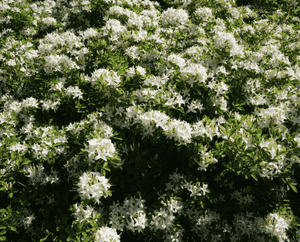
A flowering shrub indigenous to the region, swamp Azalea flourishes in moist environments and yields aromatic blossoms. Trim directly following the blooming period to foster a denser form and avoid severing the subsequent year's flower buds. Restrict the amount removed to no more than one-third of the plant's total growth. The most favorable periods for pruning extend from late spring into early summer. Advantages of pruning encompass preserving an appealing structure, stimulating robust development, and improving the plant's well-being by eliminating lifeless or ailing wood.
What Are the Benefits of Pruning Swamp Azalea?
What Are the Benefits of Pruning Swamp Azalea?
Consistent trimming of swamp Azalea promotes abundant blooms and helps deter pests and illnesses, fostering a healthier, more robust shrub.
What Is the Best Time for Pruning Swamp Azalea?
What Is the Best Time for Pruning Swamp Azalea?
These periods are ideal for trimming swamp Azalea since it flowers in spring. Pruning immediately after blooming allows gardeners to shape the plant and remove faded flowers without risking the removal of next year's buds, which form later in the summer. This timing also leverages the plant's natural growth surge post-flowering, aiding in quick recovery and vigorous new development. Furthermore, pruning during this window reduces the likelihood of disease and pest infestations, which are more common in damp or cooler conditions typically found in autumn or early spring. Thus, late spring to early summer pruning enhances the health, appearance, and floral output of swamp Azalea.
What Tools Do I Need to Prune Swamp Azalea?
Hand Pruners
For precise cuts on smaller stems and twigs of swamp Azalea, hand pruners, also known as secateurs, are perfect. They ensure clean cuts without harming the branches.
Loppers
Useful for reaching into the dense growth of swamp Azalea and cutting through thicker branches, typically up to 2 inches in diameter. The long handles provide leverage and help prevent damage to surrounding growth.
Pruning Saw
For the largest branches of swamp Azalea, those exceeding 2 inches in diameter, a pruning saw with sharp teeth makes clean cuts without tearing the bark.
Garden Shears
For shaping swamp Azalea and trimming smaller branches or foliage, garden shears allow for quick and neat work, but should be used carefully to maintain the plant's natural form.
Pruning Gloves
To protect hands from the sticky sap and rough branches of swamp Azalea, durable gloves are recommended.
How to Prune Swamp Azalea
Step1: Health & Structure Assessment Pre-Pruning
Evaluate the overall health and structure of swamp Azalea before pruning. This should be done in late winter or early spring before new growth begins, as swamp Azalea is a spring bloomer and sets flower buds in the previous growing season.
Step2: Tool Sanitization Before Pruning
Sanitize pruning tools prior to starting to prevent the spread of disease. Use a solution of one part bleach to nine parts water or a commercial disinfectant designed for gardening tools.
Step3: Dead Wood Removal
Begin by removing any dead wood. Make cuts on dead branches using sharp bypass pruners or loppers, cutting back to healthy tissue, which can be recognized by its green color and pliability. Cuts should be made at a 45-degree angle, about 1/4 inch above a live bud or branch collar.
Step4: Diseased Limb Identification & Removal
Next, identify and remove diseased limbs. Look for branches with discoloration, unusual growth patterns, or visible signs of fungal infection. It's important to cut well below the diseased tissue, and consider applying a fungicide to the cuts to prevent further infection.
Step5: Heading Back Overgrown Shoots
To address overgrown shoots, utilize heading back cuts to encourage bushier growth. Cut overgrown shoots back to a lateral bud or branch, ensuring the cut is made just beyond the bud at a slight angle, allowing water to run off the cut surface.
Step6: Selective Pruning for Symmetry
Maintain the natural shape of swamp Azalea by selectively pruning branches for symmetry. Remove crossing or rubbing branches and those that grow inward towards the center of the shrub, to improve air circulation and sunlight penetration.
Step7: Thinning for Light & Air Penetration
Thin the swamp Azalea to increase light penetration and air movement through the canopy. Remove some of the older branches at their base to promote new growth and rejuvenate the shrub.
Step8: Post-Pruning Cleanup
After pruning, clean up all the cuttings from around swamp Azalea to prevent the spread of any potential diseases.
Step9: Post-Pruning Plant Hydration
Water swamp Azalea thoroughly after pruning to reduce stress on the plant, and apply a layer of mulch to help retain soil moisture.
Step10: Post-Pruning Tool Disinfection
Disinfect the tools again after finishing the pruning to prevent any transfer of disease to other plants in the garden.
Post-Pruning Care for Swamp Azalea
Post-Pruning Care for Swamp Azalea
Immediately after pruning swamp Azalea, ensure clean cuts to aid healing. Place swamp Azalea in partial shade to prevent stress, maintaining high humidity and stable temperatures between 50-70°F. Apply a balanced, slow-release fertilizer to bolster recovery. Regularly inspect swamp Azalea for wilting or discoloration signs, indicative of stress or infection. In such cases, adjust care and consult an expert if conditions persist. Consistent monitoring and gentle care will promote healthy regrowth.
Common Pruning Mistakes with Swamp Azalea
Over-pruning Damages Plant Structure
Excessive pruning, which can lead to sparse blooming or damage to swamp Azalea's natural form.
Improper Cutting Near Main Stems Causes Harm
Trimming too close to the main stems, potentially causing injuries that may lead to disease or pest issues.
Unsterilized Tools Spread Disease
Not sanitizing pruning tools before use, which could spread disease from other plants to swamp Azalea.
Cutting Healthy Branches Reduces Vigor
Failing to remove only the dead or diseased wood, inadvertently cutting healthy branches and reducing the plant's vigor.
Disregarding Growth Habit Alters Plant Shape
Pruning without considering the plant's growth habit, which can result in an undesired shape or size incompatible with swamp Azalea.
Common Pruning Tips for Swamp Azalea
Clean Cuts with Sharp Shears Aid Healing
Use sharp and clean pruning shears to make clean cuts that heal quickly, minimizing stress on swamp Azalea.
Thinning Enhances Airflow and Light for Health
Focus on thinning out dense growth to increase air circulation and light penetration, which benefits swamp Azalea's overall health and encourages more robust blooming.
Pruning Leggy Stems Encourages Fuller Blooming
Cut back leggy stems to a set of healthy buds to encourage branching, which will lead to a fuller plant with more flowers.
Removing Rubbing Branches Prevents Structural Damage
Remove any crossing or rubbing branches to maintain a good structure and prevent future damage or wounds that could invite pests and diseases.
Deadheading Promotes Bloom and Tidy Appearance
Regularly deadhead spent flowers to promote additional blooming and to keep swamp Azalea looking tidy and well-maintained.



