How to Prune Pink azalea?
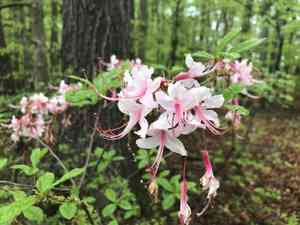
A decorative gem of forested areas, the pink azalea flourishes with meticulous trimming, aimed at fostering vigor and abundant blossoms. Essential pruning methods include excising dead or ailing branches, reducing crowded sections to improve airflow, and sculpting for visual appeal. The ideal periods for pruning occur in late spring or early summer, following the blooming phase, to protect the buds for the subsequent season. For the pink azalea specifically, pruning not only controls its dimensions but also stimulates prolific, more striking floral exhibitions, rendering it a joy for gardeners.
What Are the Benefits of Pruning Pink Azalea?
What Are the Benefits of Pruning Pink Azalea?
Trimming pink azalea promotes abundant flowering and vigorous, healthy development, which helps the plant better resist pests and diseases.
What Is the Best Time for Pruning Pink Azalea?
What Is the Best Time for Pruning Pink Azalea?
Late spring is an optimal period to trim pink azalea as it allows gardeners to remove any winter damage and shape the plant before active growth commences. Pruning at this time also minimizes the risk of frost damage to fresh cuts. Early summer is another suitable interval as it follows the plant's blooming cycle. Pink azalea typically flowers in spring, and pruning immediately after blooming helps to stimulate next year's buds without sacrificing the current year's floral display. Additionally, this timing allows pink azalea to recover and produce new foliage throughout the summer, ensuring a robust plant entering the autumn season.
What Tools Do I Need to Prune Pink Azalea?
Bypass Pruners
Perfect for making precise cuts on the smaller, more delicate stems of pink azalea without crushing plant tissue, which encourages healthy regeneration.
Pruning Saw
Useful for cutting through thicker branches that are too large for pruners, ensuring a clean cut without harming the plant's structure.
Loppers
Offer extra leverage for thicker stems that bypass pruners cannot handle, while still being accurate enough to shape pink azalea without causing unnecessary damage.
Garden Shears
Suitable for shaping pink azalea by trimming multiple small, fine stems simultaneously for a more refined form.
Gloves
Protect hands from thorns or rough branches while working with pink azalea and maintain cleanliness to prevent the spread of diseases between plants.
How to Prune Pink Azalea
Step1: Timing for Pruning
Determine the ideal time to prune pink azalea, which is right after it blooms, typically in spring or early summer. This timing ensures you don't remove next year's buds, which form shortly after the current season's flowers fade.
Step2: Pruning Tool Preparation
Prepare your tools. Use sharp, clean pruning shears or loppers for dead wood, and hand pruners for old flowers. Sanitize the blades with a solution of one part bleach to nine parts water to prevent disease transmission.
Step3: Removing Dead Wood
Begin by removing dead wood. Carefully inspect pink azalea for branches that are dead or damaged. Dead wood usually appears dry, brittle, and lacks leaves. Prune these branches back to a point where there is healthy, living tissue. Make cuts at a 45-degree angle, approximately 1/4 inch above a healthy bud or branch junction.
Step4: Deadheading Spent Flowers
Trim the old flowers, also known as deadheading pink azalea. Snip off spent flower clusters just above the first set of leaves beneath the bloom. This will encourage pink azalea to produce more flowers and maintain a neat appearance.
Step5: Cutting Crossing Branches
Examine the plant for any branches that cross or rub against each other, as this can create wounds and lead to disease. Carefully cut away the problematic branches, following the same guidelines as with dead wood removal.
Step6: Shaping and Size Reduction
Consider the overall shape and size of pink azalea. If necessary, reduce the size or improve the shape by pruning back to a lateral branch or bud. Prune no more than one-third of the plant in a single year to avoid stress.
Step7: Post-Pruning Cleanup
Clean up all pruned material from around pink azalea to reduce the risk of pests and diseases. Dispose of the material off-site or compost it if it's disease-free.
Step8: Aftercare: Watering and Mulching
After pruning, water pink azalea thoroughly and consider mulching around the base with organic material, such as pine needles or shredded leaves, to help maintain soil moisture and suppress weed growth.
Post-Pruning Care for Pink Azalea
Post-Pruning Care for Pink Azalea
Immediately after trimming pink azalea, water thoroughly to alleviate stress and aid healing. Ensure pink azalea is in a partially shaded location; direct sunlight can be harsh on freshly cut areas. Maintain a high humidity environment and a temperature range suitable for the plant's natural habitat. Post-pruning, apply a balanced, slow-release fertilizer to nourish pink azalea and promote vigorous regrowth. Regularly inspect pink azalea for signs of infection or stress, such as wilting or discoloration. If symptoms appear, adjust care and consult a specialist if necessary.
Common Pruning Mistakes with Pink Azalea
Avoid cutting into woody parts to preserve dormant buds
Cutting into the thick, woody sections of pink azalea can harm the plant and reduce flowering, as these areas contain numerous dormant buds essential for next season's growth.
Don't over-prune to prevent stress and vulnerability
Removing too much foliage and branches at once can stress pink azalea, potentially leading to a weaker plant that is more susceptible to diseases and adverse weather conditions.
Use sharp, sterile tools to avoid jagged cuts and disease
Using dull or unclean pruning tools can result in jagged cuts that damage pink azalea, and potentially introduce pathogens that can lead to infections and diseases.
Common Pruning Tips for Pink Azalea
Prune with sharp, clean tools for quick healing
Use sharp, clean pruning shears to make precise cuts that will heal rapidly, minimizing the risk of disease entering pink azalea.
Maintain natural shape, pruning dead and diseased branches
Prune pink azalea to preserve its natural form, removing only dead, diseased, or crossing branches that can hinder healthy growth and airflow.
Cut above leaves or branches for desired growth and bloom
Cut just above a set of leaves or a branching point to encourage pink azalea to produce new growth in the desired direction, enhancing both the plant's structure and its flowering potential.



