How to Prune Great laurel?
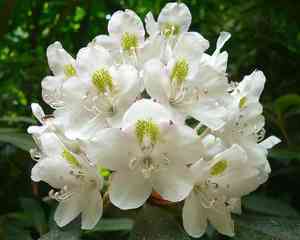
Great laurel, a broadleaf evergreen featuring substantial foliage and prominent blossoms, thrives with judicious thinning. To manage its form and diminish its dimensions, perform pruning immediately following its early summer bloom period. Refrain from making cuts late in the season, as this could expose new growth to frost damage. Eliminating deceased or ailing branches and faded flower clusters enhances vitality and the caliber of subsequent blooms. Pruning juvenile plants helps forge a robust framework, whereas established plants might necessitate minimal routine trimming.
What Are the Benefits of Pruning Great Laurel?
What Are the Benefits of Pruning Great Laurel?
Trimming great laurel promotes abundant flowering and aids in preventing pest infestations and illnesses, leading to a healthier and more vibrant plant.
What Is the Best Time for Pruning Great Laurel?
What Is the Best Time for Pruning Great Laurel?
These periods are considered ideal as they coincide with great laurel's post-flowering phase. Pruning in late spring allows for the removal of spent blossoms before seed development, redirecting energy towards growth and future blooms. Early summer pruning is also suitable, providing great laurel ample time to recover before entering winter dormancy. During this time, the plant is less vulnerable to stress and disease that could result from cuts. Furthermore, pruning after the spring growth surge ensures great laurel's shape is maintained without hindering new development. It's crucial to avoid pruning great laurel in late fall or winter, as this might stimulate new growth susceptible to cold damage.
What Tools Do I Need to Prune Great Laurel?
Hand Pruners
Perfect for making precise cuts on small to medium branches of great laurel, minimizing harm to the plant's tissues.
Loppers
Suitable for severing thicker stems and branches that hand pruners cannot manage, offering leverage and access without damaging surrounding growth.
Pruning Saw
Essential for removing thick, mature branches that hand pruners or loppers cannot cut, ensuring a clean cut for healthy regrowth.
Shears
Useful for shaping the outer edges of great laurel, especially for trimming hedges or achieving a formal look.
Gloves
Protects the gardener's hands from sharp edges and irritating sap, ensuring a safe pruning experience.
How to Prune Great Laurel
Step1: Assess Pruning Requirements
Evaluate the great laurel for pruning needs. Look for dead, diseased, or weak branches that need removal. The optimal time for this is late winter or early spring before new growth starts.
Step2: Sanitize Pruning Tools
Disinfect pruning tools prior to use. Employ a 10% bleach solution or alcohol to sanitize tools, preventing disease transmission between plants.
Step3: Remove Dead Branches
Begin with dead branches. Cut these branches back to the plant's base using pruning shears for smaller branches or a saw for larger ones. Make the cut just above the branch collar, where the branch meets the trunk, to avoid harming the main stem.
Step4: Prune Diseased Branches
Next, identify and remove diseased branches. Prune them back to healthy tissue, making a clean cut angled away from the bud. Ensure the bud faces outward to direct growth away from the plant's center.
Step5: Cut Back Weak Branches
Trim weak branches that show poor growth or rub against other branches. Remove them entirely or cut them back to a lateral branch or bud pointing in the desired growth direction.
Step6: Thin Canopy for Light and Air
Thin the great laurel to enhance light penetration and air circulation if the plant appears too dense. Selectively remove some of the smaller branches within the canopy.
Step7: Shape Plant Naturally
When shaping great laurel, follow its inherent form. Avoid cutting into the plant's main structure unless absolutely necessary, as this can lead to 'lion-tailing,' where excessive inner foliage removal destabilizes the plant and diminishes its overall health.
Step8: Dispose of Pruning Debris
After pruning, clear away all cuttings to reduce disease risk and maintain tidiness. Compost healthy cuttings and dispose of any diseased material according to local regulations to prevent pathogen spread.
Step9: Water Plant Post-Pruning
Water the great laurel after pruning to aid recovery, especially if a significant portion was removed. This helps alleviate plant stress.
Step10: Monitor Plant Health and Growth
Observe the great laurel for signs of new growth and overall health. If further pruning is required, wait until the following year's dormant season to minimize plant stress.
Post-Pruning Care for Great Laurel
Post-Pruning Care for Great Laurel
After trimming great laurel, immediately water the plant to lessen stress. Maintain consistent moisture, avoiding waterlogged soil. Position great laurel in filtered sunlight; manage exposure to prevent scorching. Adjust humidity and temperature to mimic great laurel's natural habitat. Begin fertilization with a balanced, slow-release formula one month after pruning to assist recovery without overwhelming the plant. Monitor for wilting, discoloration, or pests, which indicate stress or infection. If symptoms appear, assess water, light, and nutrient levels, and adjust care accordingly.
Common Pruning Mistakes with Great Laurel
Avoid over-pruning to prevent stress and loss of blooms.
Excessive pruning, which can stress great laurel and result in reduced vigor or a lack of flowers.
Use clean, sharp tools for healthy pruning cuts.
Employing dull or dirty pruning tools, leading to ragged cuts that make great laurel susceptible to diseases.
Prune with a clear goal to avoid excessive removal and poor shape.
Pruning without a defined objective, potentially resulting in an undesirable shape and removing too much of the current year's growth that would produce the next season's blooms.
Make cuts close to buds for healthy regrowth.
Making cuts too far from the bud, risking dieback and poor healing on great laurel.
Prune branches variably for a natural plant shape.
Trimming all branches to the same length, leading to a less natural-looking form of great laurel.
Common Pruning Tips for Great Laurel
Sharpen and disinfect tools before pruning for clean cuts.
Ensure pruning tools are sharp and clean before beginning to prune great laurel to prevent disease introduction and guarantee clean cuts.
Remove only dead, diseased, or damaged wood first.
Identify and remove any dead, diseased, or damaged wood initially, as this will enhance the health and appearance of great laurel.
Prune above outward-facing buds for directed growth.
Cut just above a set of leaves or an outward-facing bud to encourage great laurel to grow in the desired direction.
Thin dense areas for better air and light, reducing disease risk.
Thin out dense areas to improve air circulation and light penetration, which can help decrease the risk of diseases in great laurel.
Make selective cuts for natural shaping over shearing.
When shaping great laurel, make selective cuts to maintain a more natural form rather than shearing or topping.
Care for pruned plants with mulching and watering.
After pruning, provide great laurel with proper care such as mulching, watering, and possibly feeding to support robust regrowth.



