How to Prune Evergreen azalea?
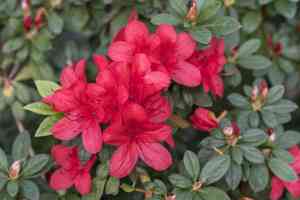
A favored decorative bush, evergreen azalea features brilliant blossoms and a compact growth pattern. Trimming ought to concentrate on eliminating deceased or ailing wood, reducing congested limbs to enhance light and air movement, and sculpting for visual attractiveness. The perfect period for pruning is from late spring to early summer, following the bloom cycle. Pruning evergreen azalea invigorates development, fosters flowering, and sustains the plant's well-being. Refrain from severe cuts to uphold its inherent structure.
What Are the Benefits of Pruning Evergreen Azalea?
What Are the Benefits of Pruning Evergreen Azalea?
Trimming evergreen azalea encourages more abundant flowering and aids in controlling pest issues and illnesses by eliminating affected sections, thereby preserving plant vitality.
What Is the Best Time for Pruning Evergreen Azalea?
What Is the Best Time for Pruning Evergreen Azalea?
These periods are ideal because evergreen azalea has typically finished its blooming cycle. Pruning at this time allows the plant to recover and produce new growth without disrupting its flowering schedule. Late spring to early summer pruning also enables evergreen azalea to direct energy towards new, robust growth throughout the growing season, ensuring the plant maintains its vibrancy and overall health. Furthermore, trimming after flowering prevents the removal of next year's buds, which develop in late summer to early fall. Sufficient sunlight and warmer temperatures during these seasons also contribute to faster recovery post-pruning. Avoiding colder months reduces the risk of frost damage to fresh cuts and new growth.
What Tools Do I Need to Prune Evergreen Azalea?
Bypass Pruners
Perfect for making neat, precise cuts on the small to medium-sized branches of evergreen azalea. These pruners operate like scissors with two blades passing each other, minimizing harm to the plant's remaining tissues.
Gardening Gloves
Crucial for safeguarding hands from thorns and sharp branches while trimming evergreen azalea. They offer grip and prevent blisters during the pruning process.
Loppers
Suitable for cutting thicker, harder-to-reach branches that bypass pruners cannot manage. These tools feature long handles that provide greater leverage and reach, ensuring proper shaping of evergreen azalea.
Pruning Saw
Essential for removing larger branches from evergreen azalea that are too substantial for loppers. A saw with fine teeth is preferred for making clean cuts without causing excessive damage to the plant.
Disinfectant for Tools
Maintaining clean pruning tools is vital to prevent the spread of disease among evergreen azalea plants. Disinfecting tools between cuts can safeguard the plant's health.
Alcohol Wipes or Bleach Solution
Used for cleaning pruning tools before and after use on evergreen azalea to ensure they are disinfected and to avoid transmitting diseases between plants.
How to Prune Evergreen Azalea
Step1: Timing Pruning Post-Bloom
Locate the spent flowers on evergreen azalea. Timing is critical; schedule pruning for after the flowering period, but before the new buds for next year form (often late spring to early summer).
Step2: Sanitize Pruning Tools
Utilize sharp, clean pruning shears. Disinfect your tools with a 10% bleach solution or rubbing alcohol to prevent disease transmission.
Step3: Snip Spent Blossoms Carefully
Remove the dead flowers by snipping off the spent blossom trusses. Make your cut just above the first set of leaves below the flower. Be careful not to harm the emerging buds, as they are next yearâs flowers.
Step4: Identify and Target Old Wood
Pinpoint the old wood that is no longer producing vigorous growth or flowers. Old wood typically has darker, more rugged bark and less foliage.
Step5: Prune Old Growth for Rejuvenation
Cut the old wood back to a point of newer growth or to the base of the plant if necessary. This can be done every few years to revitalize evergreen azalea and encourage new growth.
Step6: Remove Weak or Awkward Branches
Examine evergreen azalea for weak branches that appear thin, spindly, or are growing awkwardly and crossing over others, which can cause damage and invite disease.
Step7: Trim Branches Back to Main Growth
Trim weak branches by cutting back to a main branch or trunk. Avoid leaving stubs as these can rot and become entry points for disease.
Step8: Shape Plant for Aesthetics and Health
After pruning the specified parts, assess the overall shape of evergreen azalea. If shaping is required, selectively trim branches to maintain a pleasing, natural form while ensuring good air circulation.
Step9: Clear Debris to Prevent Diseases
Remove all pruning debris from the base of evergreen azalea to prevent rot and disease, and also deter pests from nesting in the area.
Step10: Water Deeply After Pruning
Water evergreen azalea thoroughly after pruning to help reduce stress on the plant and encourage recovery. Ensure proper drainage to prevent root rot.
Step11: Fertilize for Nutrient Replenishment
Apply a balanced, slow-release fertilizer after pruning, if it aligns with your regular feeding schedule for evergreen azalea, to provide the nutrients needed for healthy regrowth.
Step12: Monitor Plant Regrowth and Health
Observe evergreen azalea for signs of new growth and health. Regularly check for diseases or pests, especially after pruning, as fresh cuts can be vulnerable.
Post-Pruning Care for Evergreen Azalea
Post-Pruning Care for Evergreen Azalea
Following pruning, immediately water evergreen azalea to reduce stress, ensuring the soil is moist but not waterlogged. Place evergreen azalea in gentle, indirect light and maintain a consistent humidity level, avoiding extremes. Begin a balanced fertilization schedule once new growth appears to replenish nutrients. Monitor evergreen azalea for wilting, discoloration, or signs of infection; if such symptoms occur, adjust care and seek expert advice. Proper environmental control and vigilant care are crucial for evergreen azalea's optimal recovery and future flourishing.
Common Pruning Mistakes with Evergreen Azalea
Avoid pruning into old, foliage-free wood.
Cutting into old wood lacking foliage could prevent evergreen azalea from producing new growth, as it may struggle to regenerate from old, hardened stems.
Don't remove excessive foliage at once.
Removing too much foliage simultaneously can stress evergreen azalea, leading to reduced vigor and fewer blooms, or even making the plant susceptible to diseases and pests.
Sterilize tools to prevent plant infections.
Pruning without sterilizing the tools can introduce pathogens to evergreen azalea, which may cause infections and damage to the plant.
Remove dead or diseased branches promptly.
Neglecting to remove dead or diseased branches during the pruning process can affect the overall health and aesthetic of evergreen azalea, as these can become vectors for disease.
Respect plant's natural shape when pruning.
Not considering the plant's natural shape and growth habit during pruning can lead to an unnatural appearance and potentially impact flowering if too many buds are removed.
Common Pruning Tips for Evergreen Azalea
Use sharp, clean shears for healthy cuts.
Utilize sharp, clean pruning shears to make precise cuts on evergreen azalea, which will facilitate quicker healing and minimize the risk of disease.
Thin over topping for natural plant shape.
Focus on thinning rather than topping when pruning evergreen azalea to maintain its natural shape, improve airflow, and allow light penetration, which encourages healthy growth.
Gradually reduce size to prevent shock.
When reducing the size of evergreen azalea, do so gradually over a few seasons to avoid shocking the plant and to retain a sufficient number of flower buds for the next blooming period.
Remove unhealthy branches to boost growth.
Immediately remove any dead, diseased, or damaged branches from evergreen azalea to promote the plant's health and direct its energy towards new growth.
Prune for strong framework and vigorous blooms.
Pay close attention to the branch structure of evergreen azalea and prune selectively to encourage a strong framework that can support the plant's lush foliage and vibrant blooms.



