How to Prune Catawba rosebay?
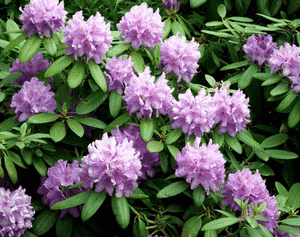
A member of the Ericaceae botanical group, catawba rosebay is celebrated for its sizable, vibrant blossoms and expansive evergreen foliage. For optimal well-being and structure, perform selective trimming immediately following its bloom period, from late spring to early summer. Eliminate any deceased or ailing branches, reduce crowded growth, and shorten elongated stems to a cluster of viable buds. This trimming practice ensures a dense structure and boosts flowering, given that catawba rosebay develops its subsequent year's flower buds by the middle of summer.
What Are the Benefits of Pruning Catawba Rosebay?
What Are the Benefits of Pruning Catawba Rosebay?
Trimming catawba rosebay encourages fresh development, leading to more vibrant blossoms. It also aids in removing dead or diseased wood, lowering the risk of pests and diseases and ensuring catawba rosebay thrives.
What Is the Best Time for Pruning Catawba Rosebay?
What Is the Best Time for Pruning Catawba Rosebay?
Trimming catawba rosebay in late spring or early summer is optimal as it allows for the removal of faded flowers and can stimulate new growth. This timing aligns with the end of catawba rosebay's blooming cycle, preventing the cutting of next year's buds which are formed in late summer. Additionally, pruning during this period minimizes disease risk, as wounds heal faster in active growth phases and the weather is typically drier, reducing pathogen spread.
What Tools Do I Need to Prune Catawba Rosebay?
Bypass Hand Pruners
Perfect for making clean cuts on live wood and delicate stems of catawba rosebay, bypass pruners cause less harm to plant tissues.
Lopping Shears
Suitable for cutting thicker branches that hand pruners cannot manage, lopping shears help maintain the shape and health of catawba rosebay.
Pruning Saw
For removing mature, woody stems or dead branches on established catawba rosebay plants, which can be too large for loppers.
Gardening Gloves
To safeguard hands from thorns and rough branches while pruning catawba rosebay.
Disinfectant for Tools
To prevent the spread of diseases when cutting multiple catawba rosebay plants or after cutting diseased wood.
How to Prune Catawba Rosebay
Step1: Examine for removal areas
Inspect catawba rosebay for old blooms, dead or diseased wood. Identify the sections that require trimming.
Step2: Prepare appropriate tools
Ensure you have the correct tools. Use sharp pruning shears or loppers that are clean and disinfected to prevent the spread of diseases.
Step3: Deadhead spent blooms
Remove old blooms by snapping off the faded flower clusters just above the first set of leaf buds without harming the new growth.
Step4: Prune dead wood
Locate dead wood by checking for branches that are brittle, with peeling bark and a lack of green when lightly scratched. Prune these back to the base of the plant or to a point where there is healthy, living tissue.
Step5: Cut back diseased branches
Identify diseased wood, which may appear discolored, have an unusual texture, or be covered with fungal growths. Cut the diseased branches well below the affected area, about 6-8 inches into healthy wood to ensure all diseased tissue is removed.
Step6: Disinfect tools after each cut
Disinfect your pruning tools after each cut when dealing with diseased wood to prevent contaminating healthy parts of catawba rosebay.
Step7: Thin for better air and light
Thin out dense areas by selectively removing some of the branches to improve air circulation and light penetration, which can help reduce disease risk.
Step8: Shape plant minimally
Shape the plant if necessary, but keep in mind that catawba rosebay has a natural mound-like shape. Substantial shaping is often not required, so light trimming is ideal to maintain its natural form.
Step9: Dispose of pruning debris
Dispose of all removed plant material properly, especially diseased branches, to prevent the spread of pathogens.
Step10: Water and mulch post-pruning
Water catawba rosebay after pruning to help ease plant stress, and apply a layer of mulch around the base to help the soil retain moisture.
Step11: Monitor for new growth
Monitor catawba rosebay over the following weeks for signs of new growth and any further signs of disease, and prune as necessary.
Post-Pruning Care for Catawba Rosebay
Post-Pruning Care for Catawba Rosebay
Immediately after pruning catawba rosebay, ensure cleanliness by removing debris. Provide shade to prevent sunscald, maintaining cool conditions as catawba rosebay thrives in cooler temperatures. Sustain high humidity to minimize water loss. After pruning, delay fertilization for a month to avoid stressing catawba rosebay with new growth demands, then apply a balanced, slow-release fertilizer suited for acid-loving plants. Regularly inspect catawba rosebay for signs of stress, such as wilt or discoloration, and treat promptly with fungicides or insecticides when necessary to prevent disease or pest issues.
Common Pruning Mistakes with Catawba Rosebay
Over-pruning Can Shock Plant and Hinder Blooming
Pruning catawba rosebay too severely can shock the plant, potentially leading to poor growth or failure to bloom. Over-pruning can remove next season's flower buds.
Dull or Dirty Pruning Tools Cause Disease-Susceptible Cuts
Using dull or dirty pruning tools on catawba rosebay can cause ragged cuts that are more susceptible to disease. Clean cuts are crucial for the plant's health and recovery.
Cutting Healthy Growth Instead of Just Dead or Diseased Parts Weakens Plant
Neglecting to remove only the dead or diseased parts of catawba rosebay, and instead cutting healthy growth, can weaken the plant and reduce its vigor and flowering capability.
Improper Shaping During Pruning Causes Unbalanced Plant Appearance
Failing to shape catawba rosebay during pruning can result in an unbalanced or unnatural appearance. Pruning should enhance the plant's natural form, not detract from it.
Common Pruning Tips for Catawba Rosebay
Use Sharp, Sterile Shears for Healthy Pruning Cuts
When pruning catawba rosebay, always use sharp, sterile pruning shears to make clean cuts that promote quick healing and reduce the risk of disease.
Thin Dense Areas for Better Air Circulation and Light Penetration
Focus on thinning out dense areas of catawba rosebay to improve air circulation, which helps prevent fungal diseases. This will also allow light to penetrate to the interior of the plant, encouraging healthy growth.
Prune Spent Flowers to Encourage New Growth and Future Blooms
After flowering, selectively prune spent flower clusters (trusses) of catawba rosebay back to just above the first set of leaves to encourage vigorous new growth and facilitate next year's blooming.
Preserve Natural Form When Shaping the Plant
While shaping catawba rosebay, maintain its natural form by identifying and preserving the main structural branches, and trim away excess growth to promote a pleasing, symmetrical shape.
Remove Damaged or Diseased Branches Promptly to Maintain Health
Regularly check catawba rosebay for damaged or diseased branches and prune these out regardless of season, as timely removal helps prevent the spread of illness and supports overall plant health.



