How to Prune Rhubarb?
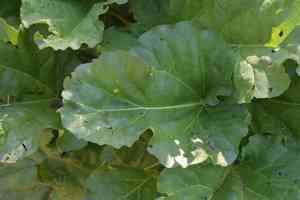
Well-known for its consumable stems, rhubarb greatly profits from judicious trimming. Eliminate flower shoots as they emerge to conserve vitality for vigorous stalk development. Following the harvest, cut back the expansive foliage. Conduct upkeep pruning in spring and autumn to excise deceased or injured material, thereby encouraging more robust specimens. Summer trimming entails reducing superfluous growth. Periodically discarding aged, unproductive root crowns every 5-10 years revitalizes the plant and sustains the caliber of its output.
Advantages of Trimming Rhubarb
Advantages of Trimming Rhubarb
Trimming rhubarb promotes more robust development, increased output of edible stems, and a tidier look. By selectively removing parts, gardeners ensure the plant's energy is directed towards producing plump stalks, crucial for harvesting.
Optimal Period for Pruning Rhubarb
Optimal Period for Pruning Rhubarb
Pruning rhubarb in early spring is ideal as it aligns with the start of the growth cycle, stimulating new development and offering a chance to remove any dead or damaged tissue from winter dormancy. It ensures plant vitality and productivity for the upcoming season. Late autumn is also suitable, after the plant has entered dormancy, which allows for the removal of spent stalks and helps to prevent disease and pest infestation.
Necessary Tools for Pruning Rhubarb
Hand Pruners
These are essential for clean cuts on small stems and are easy to handle, making them perfect for snipping off spent rhubarb stalks without harming surrounding growth.
Garden Shears
Useful for trimming and shaping leaves and stalks as needed. They provide a straight, even cut, which is important for maintaining the health and appearance of rhubarb.
Loppers
Excellent for reaching into the plant and cutting thicker stems that hand pruners might struggle with, ensuring the plant's vigorous growth.
Pruning Saw
In instances where rhubarb has developed exceptionally thick and woody stalks, a pruning saw can simplify the task without harming the plant.
How to Prune Rhubarb
Remove diseased leaves
Identify and eliminate any diseased leaves from rhubarb by cutting them at the base with sterilized, sharp scissors or pruning shears. This prevents the spread of disease to healthy parts of the plant.
Remove withered leaves
Carefully snip away any withered or yellowing leaves from rhubarb using the same sterile, sharp implements. Removing these leaves helps redirect rhubarb's energy to healthier growth.
Deadhead flowers
Remove spent flower stalks of rhubarb by cutting them down to the base where they meet the main plant. Deadheading spent flowers encourages vegetative growth and future productive seasons.
Clean up
Gather and dispose of all removed foliage from rhubarb to keep the area tidy, which reduces the likelihood of pests and diseases.
Sanitize tools
Clean and sterilize your pruning tools after trimming rhubarb to prevent the spread of any potential pathogens to other plants.
Common Pruning Errors with Rhubarb
Overpruning
Cutting away too much of rhubarb can weaken the plant, reducing its vigor and yield. It is important to only prune old and spent stalks, avoiding excessive removal of healthy stems which can be productive in the following season.
Removing green stalks
Gardeners should avoid removing the green stalks of rhubarb as these are photosynthetically active and contribute to the plant's growth and energy storage for the next season's production.
Pruning all flowering stalks
While it may seem counterintuitive, allowing rhubarb to flower can deplete the plant's energy reserves. It's a common mistake to let all the flower stalks develop, which should be removed to redirect energy to stalk production.
General Pruning Advice for Rhubarb
Spent stalk removal
After the harvest season, remove spent stalks of rhubarb at the base to promote better air circulation and reduce the risk of pest and disease infestation. This will also enable the plant to allocate resources to the development of new, healthy growth.
Flower stalks
As soon as flower stalks appear, promptly remove them by cutting them at the base. This prevents rhubarb from expending unnecessary energy on seed production, channeling it rather into the growth of thick, juicy stalks.
Diseased or damaged stalks
Monitor rhubarb for signs of disease or damage and prune these stalks immediately to prevent the spread of disease and pests. Make clean cuts to avoid jagged edges where pathogens can enter.
Tool cleanliness
Use sharp and sterile pruning shears when pruning rhubarb. This minimizes the potential for disease transmission between plants and ensures a clean cut that heals more effectively.



