How to Prune Chinese rhubarb?
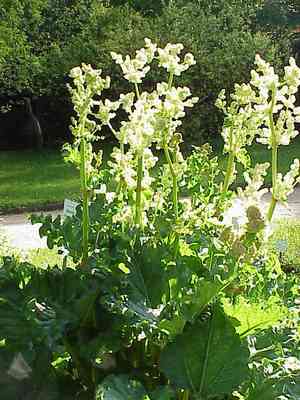
Rheum palmatum, recognized for its expansive foliage and therapeutic roots, thrives with trimming in early Spring and mid-Summer. Sever withered or compromised stems to stimulate fresh development and deter ailments. Prioritize the elimination of bloom stalks to foster leaf expansion. Refrain from excising over one-third of the specimen to preserve its vitality. Trimming improves air movement, lessens insect problems, and aids superior growth. Utilize sanitized, keen implements for precise incisions to lessen strain.
What Are the Benefits of Pruning Chinese Rhubarb?
What Are the Benefits of Pruning Chinese Rhubarb?
Pruning Chinese rhubarb promotes robust development and helps maintain its form. Trimming assists in eliminating dead or diseased sections, improving air circulation, and preventing congestion, resulting in a healthier and more visually appealing plant.
What Is the Best Time for Pruning Chinese Rhubarb?
What Is the Best Time for Pruning Chinese Rhubarb?
Pruning or trimming should be done in spring and summer for chinese rhubarb to coincide with its active growth period. This timing ensures that the plant can recover quickly from pruning as it fosters healthy new growth. Additionally, trimming during these seasons helps manage the plant's size and shape while preventing potential damage from disease and pests. Avoid pruning in fall and winter, as chinese rhubarb enters dormancy, and cutting during these times can lead to stress and reduced vigor come the next growing season.
What Tools Do I Need to Prune Chinese Rhubarb?
Hand Pruners (Secateurs)
Perfect for precise cuts on smaller, softer stems and leaves, which chinese rhubarb possesses. They guarantee clean cuts and minimize plant damage.
Bypass Loppers
Useful for cutting thicker, tougher stems that might develop as chinese rhubarb matures. They provide leverage and can cut through branches up to 2 inches in diameter.
Pruning Saw
Effective for removing any large, woody stems or roots, which may occasionally need to be pruned to manage chinese rhubarb's growth.
Gloves
Essential to protect hands from sap and any sharp edges while pruning chinese rhubarb.
Disinfectant
Important for sterilizing tools before and after use to prevent the spread of disease in chinese rhubarb.
How to Prune Chinese Rhubarb
Assess
Examine chinese rhubarb carefully to identify any diseased leaves, withered leaves, and diseased stems that require removal.
Cut
Using clean, sharp pruning shears, make precise cuts below the afflicted areas to remove diseased leaves and stems. Ensure that cuts are made at an angle to promote proper healing.
Clear
Discard the removed diseased and withered plant parts well away from chinese rhubarb to prevent any potential spread of pathogens.
Disinfect
After each cut, disinfect the pruning shears with a solution of one-part bleach to nine-parts water or rubbing alcohol to prevent the transmission of disease.
Monitor
Regularly monitor chinese rhubarb for any signs of disease recurrence or new areas requiring trimming, making adjustments as necessary.
Common Pruning Mistakes with Chinese Rhubarb
Over-Pruning
Removing too much foliage can stress chinese rhubarb, reducing its vigor and causing it to produce fewer stems.
Improper Cuts
Making jagged or torn cuts instead of clean, sharp cuts can damage the plant tissue, making it more susceptible to disease.
Pruning Too Low
Cutting stems too close to the ground can harm the plant's regenerating buds, leading to poor regrowth.
Ignoring Dead or Diseased Stems
Failing to remove dead or diseased stems can lead to the spread of pathogens throughout chinese rhubarb and nearby plants.
Using Dirty Tools
Pruning with unsterilized tools can introduce and spread diseases, worsening the health of chinese rhubarb.
Common Pruning Tips for Chinese Rhubarb
Use Sharp, Clean Tools
Ensure your pruning shears are sharp and sterilized to make clean cuts and prevent disease spread.
Remove Dead and Diseased Stems First
Start by removing any dead or diseased stems to maintain plant health and prevent pathogen spread.
Make Clean Angled Cuts
When pruning, make clean cuts at a slight angle above a stem node to promote healthy regrowth.
Focus on Airflow
Remove overcrowded stems to improve airflow and reduce the risk of fungal diseases.
Prune Lightly
Aim to prune no more than one-third of the plant's foliage to avoid stressing chinese rhubarb and ensure healthy growth.



