How to Prune Needle palm?
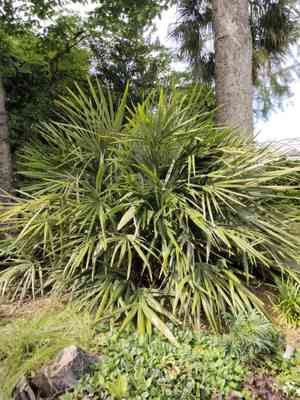
Celebrated for its hardiness and resistance to low temperatures, needle palm is a gradually developing, clustering palm featuring pointed, needle-like thorns safeguarding its foundation. Trimming ought to be kept to a minimum, primarily involving the elimination of withered or injured fronds and faded flower stems to preserve its inherent form and foster vigorous development. The most suitable timeframe is from late winter to early spring, prior to the emergence of new foliage. Pruning at this juncture aids in averting strain and stimulates a strong resurgence. Safety considerations stemming from sharp spines mandate the use of protective equipment when tending to needle palm.
What Are the Benefits of Pruning Needle Palm?
What Are the Benefits of Pruning Needle Palm?
Trimming needle palm encourages robust new development and helps maintain its desired structure. Strategic removal of older leaves ensures energy is directed towards healthy growth, preserving an attractive form and promoting strong vitality.
What Is the Best Time for Pruning Needle Palm?
What Is the Best Time for Pruning Needle Palm?
Trimming needle palm during late winter or early spring is ideal because this timing aligns with the plant's natural dormant phase. Pruning when the plant is less active in growth minimizes stress and allows for quicker recovery. With needle palm being a slow-growing, evergreen shrub, late winter pruning prepares the plant for vigorous spring growth by removing dead or damaged fronds, thereby directing the plant's energy to new growth. Additionally, early spring pruning, just before the onset of new growth, offers the added benefit of being able to shape the plant and manage its size more effectively. This timing also avoids cutting into new shoots that emerge in spring, which can be detrimental to the plant's health. Observing the natural growth cycle of needle palm ensures that pruning does not interfere with flowering or fruiting, since it does not heavily flower or fruit. Proper timing reduces the risk of disease and pest infestation, as wounds heal quicker in the onset of the growing season. Following these guidelines will promote a healthy and well-structured needle palm.
What Tools Do I Need to Prune Needle Palm?
Hand Pruners (Secateurs)
Perfect for cutting through smaller stems and branches of needle palm. A bypass pruner, in particular, is recommended for clean cuts that promote healthy regrowth.
Loppers
For larger branches that hand pruners cannot handle, loppers provide the necessary leverage and reach to prune needle palm effectively.
Pruning Saw
When needle palm has particularly thick branches that loppers can't cut, a pruning saw is necessary. Its serrated blade allows for cutting through the toughest parts of needle palm.
Leather Gloves
Due to the sharp 'needles' of needle palm, heavy-duty leather gloves are essential to protect hands during the pruning process.
Long-Sleeved Shirt
Wearing a long-sleeved shirt can offer additional protection from the sharp spines when pruning needle palm.
Safety Glasses
When pruning needle palm, safety glasses help protect the eyes from any detached spines or debris.
How to Prune Needle Palm
Sterilize
Before starting the pruning process, ensure that all cutting tools are sterilized to prevent the spread of disease to needle palm.
Identify
Carefully inspect needle palm to identify which leaves are diseased or withered. These will often appear discolored, damaged, or dried out compared to healthy foliage.
Cut
Using a pair of sharp and clean pruning shears, cut the diseased and withered leaves at their base, close to the trunk. Ensure a clean cut to avoid damaging needle palm.
Dispose
After removing the unwanted leaves, properly dispose of the diseased and withered material away from the garden area to prevent the spread of any pathogens.
Clean
Clean the tools again after pruning to ensure no pathogens remain on the cutting equipment. Inspect needle palm for any additional pruning needs.
Common Pruning Mistakes with Needle Palm
Overpruning
Avoid removing too many fronds or branches at once, as this can stress needle palm and slow its growth. A gentle approach is better, ensuring the palm retains its natural shape and vigor.
Improper Cutting
When pruning needle palm, it's essential to cut cleanly using sharp, sterilized tools. Ragged cuts can invite disease and may harm the plantâs health.
Pruning Healthy Fronds
Removing healthy green fronds can deprive needle palm of vital nutrients. Focus on removing only dead or damaged fronds unless thinning for aesthetic reasons.
Ignoring Crown Shape
Neglecting the natural shape of the needle palm's crown can result in an unbalanced and unhealthy appearance. Always consider the overall form and health of needle palm before cutting.
Inadequate Tool Care
Utilizing dirty or dull tools can spread pathogens and make imprecise cuts, potentially damaging needle palm. Clean and sharpen tools before each use.
Common Pruning Tips for Needle Palm
Sharp Sterile Tools
Always use sharp, sterilized pruning tools to make clean cuts on needle palm without damaging nearby tissue, which helps prevent disease.
Remove Damaged Fronds
Regularly inspect needle palm and carefully remove any yellowing, brown, or damaged fronds at their base to maintain plant health and appearance.
Correct Technique
Prune needle palm by cutting fronds close to the trunk without damaging the trunk itself. Leave a small stub to avoid creating open wounds that can allow pests and diseases to enter.
Judicious Thinning
If thinning is necessary to shape needle palm, do it sparingly and strategically to enhance air circulation and light penetration without compromising the plant's health.
Health Evaluation
Before pruning, evaluate the overall health of needle palm to determine the necessity of pruning, targeting only the fronds that impede growth or compromise the plant's appearance.



