How to Prune Bridal veil broom?
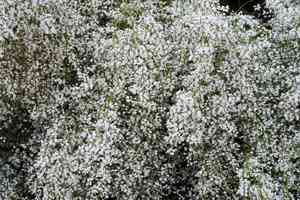
Recognized for its elegant, flowing branches and white blossoms, bridal veil broom flourishes with attentive trimming. Perform pruning after its flowering period in late spring or early summer to sculpt and stimulate fresh development. Eliminate any lifeless or frail stems and shorten any excessively long sections to preserve its structure. Pruning not only improves its aesthetic but also fosters the plant's well-being. Employ sanitized, sharp implements for accurate incisions to avoid harming bridal veil broom. Regular, gentle trimming proves more advantageous than drastic cutting.
What Are the Benefits of Pruning Bridal Veil Broom?
What Are the Benefits of Pruning Bridal Veil Broom?
Trimming bridal veil broom promotes abundant flowering and helps build strong resistance to pests and diseases, ensuring the plant stays healthy and vibrant.
What Is the Best Time for Pruning Bridal Veil Broom?
What Is the Best Time for Pruning Bridal Veil Broom?
The recommended periods for pruning bridal veil broom are late spring and early summer. These times are ideal as they follow bridal veil broom's main blooming phase. Pruning then allows gardeners to shape the plant and manage its size without significantly impacting the next season's flowers. Additionally, post-flowering pruning encourages vigorous growth and maintains plant health by redirecting energy to new growth instead of old or dead branches. Moderate climates favor this timing. Pruning during these seasons ensures cuts heal quickly before extreme weather, such as midsummer heat or winter cold, arrives, preventing stress or damage to bridal veil broom.
What Tools Do I Need to Prune Bridal Veil Broom?
Bypass Pruners
These are perfect for making clean, precise cuts on bridal veil broom's thinner stems, avoiding unnecessary harm to the plant's tissues.
Loppers
These enable reaching deeper into bridal veil broom without damaging its structure, and they provide the necessary leverage to cut through thicker, woodier stems.
Pruning Saw
For the well-being of bridal veil broom, a pruning saw can be utilized to remove any larger branches that bypass pruners or loppers might not effectively handle.
Gloves and Protective Gear
As bridal veil broom can have fragile branches that might break, wearing protective gear is crucial to prevent scratches or other injuries during pruning.
How to Prune Bridal Veil Broom
Cleaning
Sanitize pruning tools before beginning to prevent disease transmission. Clean cuts will help bridal veil broom recover faster and remain healthy.
Diseasedparts
First, trim any diseased leaves and branches to stop infection from spreading. Make cuts several inches below the affected areas to ensure all infected tissue is removed.
Deadmaterial
Remove dead branches and withered leaves to neaten bridal veil broom and encourage healthy development. Cut back to the base or to the next healthy outward-facing bud or branch.
Controlgrowth
To manage excessive growth, selectively thin out overgrown branches. Cut these branches back to a main stem or to a size that helps maintain bridal veil broom's natural form.
Flowermanagement
Snip off faded flowers to encourage bridal veil broom to direct energy towards new growth and potentially more blooms. Make cuts above a set of healthy leaves or buds.
Common Pruning Mistakes with Bridal Veil Broom
Over-Pruning
Removing too much foliage can stress bridal veil broom, leading to poor growth or reduced flowering. Generally, it's best to prune no more than one-third of the plant at a time.
Improper Cut Placement
Cutting too far from the node, or making jagged or torn cuts, can cause unnecessary harm to bridal veil broom and attract pests or disease.
Neglecting Tool Hygiene
Using uncleaned pruning tools can spread disease among plants. Always use sterilized shears or scissors when pruning bridal veil broom.
Ignoring Plant Shape
Random or excessive cutting without considering bridal veil broom's natural form can result in an unattractive appearance and uneven growth.
Pruning Young Growth
Removing the tender new shoots of bridal veil broom before they mature can diminish the plant's ability to photosynthesize and grow healthily.
Common Pruning Tips for Bridal Veil Broom
Selective Thinning
Promote light penetration and air circulation by selectively removing older, crowded branches at their base.
Promote Flowering
Since bridal veil broom blooms on old wood, careful tip pruning after flowering can encourage more blooms in the subsequent season without hindering the plant's natural flowering process.
Maintain Plant Health
Regularly remove dead, diseased, or damaged branches to maintain bridal veil broom's vigor and prevent the spread of pathogens.
Shape Control
To maintain the desired shape of bridal veil broom, prune just above the leaf nodes, following the plant's natural line to guide its growth direction.
Use Sharp Tools
Always use sharp, well-maintained pruning tools to make clean cuts, which will heal more quickly and reduce stress on bridal veil broom.



