How to Prune Large buttercup?
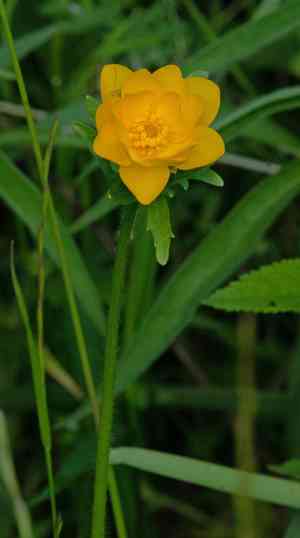
A favored perennial recognized for its brilliant yellow blooms, large buttercup thrives with consistent care. Trimming entails removing faded flowers to stimulate additional flowering and reducing foliage after blooming to sustain plant vitality. The most effective time for pruning is in late winter to early spring, prior to the emergence of new shoots. This opportune pruning fosters healthy, strong plants and improves the subsequent flowering period. During pruning, maintaining hygiene and using sharp implements prevents illness, guaranteeing the endurance and visual attractiveness of large buttercup.
Advantages of Trimming Large Buttercup
Advantages of Trimming Large Buttercup
Trimming large buttercup promotes robust development and helps maintain its desired form. Strategic cuts stimulate new, healthy stems and leaves, while shaping practices control its spread, enhancing the plant's beauty and vigor.
Optimal Time for Trimming Large Buttercup
Optimal Time for Trimming Large Buttercup
Trimming large buttercup in late winter or early spring aligns with its dormant phase, just before new growth begins. This timing avoids cutting during active growth, which can stress large buttercup and reduce flowering. It also ensures pruning wounds heal quickly, free from frost damage in mid-winter, and before pests and diseases become active in warmer weather. As large buttercup enters its spring growth cycle, it can direct energy into developing new shoots and flowers, leading to a healthier, more abundant flowering season.
Tools Required for Trimming Large Buttercup
Bypass Pruners
Perfect for making clean cuts on large buttercup's delicate stems without crushing them, ensuring healthy regrowth.
Gardening Gloves
Protect hands from large buttercup's sap, which can irritate skin, during the trimming process.
Garden Scissors
Effective for trimming small or intricate parts of large buttercup, allowing for precision without harming the plant.
Pruning Shears
Useful for cutting through tougher or woodier parts of large buttercup's stems if needed.
How to Trim Large Buttercup
Clean Tools
Before trimming large buttercup, clean and sanitize your pruning shears, scissors, or knife. Use a solution of one part bleach to nine parts water to prevent disease transmission.
Remove Diseased Leaves
Carefully inspect large buttercup for any diseased leaves showing signs of rot, fungus, or discoloration. Using sanitized shears, cut these leaves at the base without harming adjacent stems or foliage.
Remove Withered Leaves
Look for leaves on large buttercup that are wilted or dead, identifiable by a dry, brittle texture and a brown or pale appearance. Gently prune these leaves at their base, being careful not to damage new buds or growth.
Healthy Growth
After removing diseased and withered leaves, assess large buttercup to ensure sufficient healthy foliage remains for continued growth and photosynthesis. Avoid excessive trimming, as this can stress the plant.
Post Trimming Care
Once trimming is complete, water large buttercup if the soil is dry and apply a balanced fertilizer if necessary to aid recovery and promote healthy new growth. Clear the area around the plant of any fallen debris.
Common Trimming Errors with Large Buttercup
Over-trimming
Removing too much foliage can stress large buttercup, leading to poor growth and reduced flowering.
Trimming Into Old Wood
Cutting into old, hardened stems might hinder new growth as large buttercup tends to regenerate from newer growth.
Neglecting Tool Sterilization
Using uncleaned tools can spread diseases among plants, potentially harming large buttercup.
Ignoring Plant Shape
Random cuts can ruin the natural shape of large buttercup and detract from its aesthetic appeal.
Trimming During Active Growth
Removing stems while large buttercup is actively growing can impede flower development.
Careless Handling
Rough handling or tearing of stems during trimming can cause damage and make large buttercup vulnerable to disease.
General Trimming Advice for Large Buttercup
Selective Trimming
Carefully choose which stems to trim, focusing on dead or damaged ones to encourage healthy growth in large buttercup.
Clean Cuts
Make sharp, clean cuts to prevent damage to large buttercup and promote better healing.
Sterilize Trimming Tools
Regularly disinfect all cutting tools to prevent the spread of pathogens to large buttercup.
Maintain Plant Form
Trim to maintain the natural shape of large buttercup, enhancing the plant's overall health and visual appeal.
Retain Healthy Growth
Leave healthy green stems and foliage to support continued growth and vigor in large buttercup.
Trim For Ventilation
Thin crowded areas to improve air circulation, which can reduce disease pressure on large buttercup.
Use Correct Technique
Utilize the appropriate trimming technique for large buttercup, such as thinning or pinching, to encourage desired growth patterns.



