How to Prune Persian buttercup?
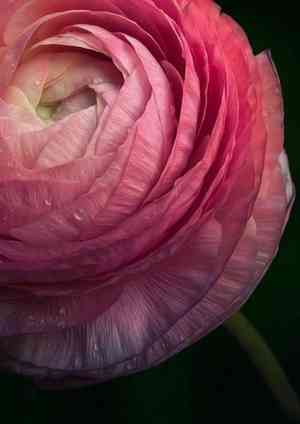
The Persian buttercup, a lively herbaceous perennial, showcases striking, multi-layered blossoms and abundant leaves. To preserve its vitality and aesthetic, consistently remove faded flowers to stimulate additional blooming. Following the flowering period, cut back stems to the soil surface. The most effective time for trimming is from the beginning of spring through late autumn, coinciding with periods of vigorous development. Trimming the Persian buttercup not only fosters strong floral displays but also averts the expenditure of energy on seed formation, resulting in a dense and hardy specimen.
Advantages of Trimming Persian Buttercup
Advantages of Trimming Persian Buttercup
Trimming persian buttercup promotes abundant blossoms, fosters vigorous development, and maintains an appealing shape, enhancing both garden beauty and plant health.
Optimal Time for Pruning Persian Buttercup
Optimal Time for Pruning Persian Buttercup
Pruning persian buttercup in early spring is beneficial as it occurs just before the start of the growing season. This timing allows for the removal of any dead or damaged foliage from winter, encouraging healthier new growth. Furthermore, pruning at this stage can help shape the plant and manage its size, ensuring it achieves the desired form as it begins to grow. Conversely, pruning in late fall coincides with the end of persian buttercup's active growth period, as the plant prepares for dormancy. Trimming at this time helps to remove any spent blooms or foliage, reducing the likelihood of disease and pest infestation that could weaken the plant over the winter. It also helps to encourage a robust return in the subsequent spring. These seasons ensure the plant's energy is directed towards healthy growth and prolific blooming during its active phase.
Tools Required for Pruning Persian Buttercup
Hand Pruners
These are crucial for making precise cuts on persian buttercup's stems without harming the plant. Bypass hand pruners are preferred over anvil types to avoid crushing delicate stems.
Precision Pruners
These instruments, sometimes called snips, are perfect for deadheading and trimming persian buttercup without damaging nearby flowers or leaves due to their fine tips and accurate cutting action.
Gloves
Hand protection is advised to prevent irritation from persian buttercup's sap and to provide a better grip on tools during the pruning process.
Sanitizer
Cleaning tools before and after pruning persian buttercup is vital to prevent disease spread. Alcohol or a bleach solution should suffice.
Garden Shears
For shaping and managing a larger group of persian buttercup plants simultaneously, garden shears can provide a quick and even cut across the tops.
How to Prune Persian Buttercup
Step1: Timing for Post-Bloom Pruning
Initiate the pruning process for persian buttercup after its blooming period concludes, typically in late spring or early summer.
Step2: Pruning Tool Sanitization
Disinfect your pruning shears with rubbing alcohol to prevent the transmission of any diseases to persian buttercup.
Step3: Old Flower Identification
Locate old flowers that have finished blooming. They will appear faded and may be wilting or drying out.
Step4: Cutting Back Spent Blooms
Carefully snip the stem of the old flowers just above the first set of healthy leaves, using clean, sharp shears. This encourages persian buttercup to produce new growth.
Step5: Damaged Stem Identification
Search for damaged stems that may be broken, discolored, or exhibiting signs of disease or pest damage.
Step6: Pruning Damaged Stems
Trim the damaged stems back to healthy tissue, making the cut at a 45-degree angle to allow water to drain off the cut surface and reduce disease risk.
Step7: Strategic Cutting for New Growth
Always ensure cuts are made just above a leaf node or bud to stimulate new growth in persian buttercup.
Step8: Disposal of Pruned Plant Material
After pruning, discard all removed material far from the persian buttercup plants to prevent any potential disease spread.
Step9: Post-Pruning Shear Sanitation
Clean the pruning shears again with rubbing alcohol once you have finished pruning.
Step10: Watering After Pruning
Water persian buttercup adequately post-pruning to aid plant recovery and promote new growth, being careful not to overwater as persian buttercup is prone to root rot.
Step11: Monitoring and Maintenance Pruning
Observe persian buttercup for new growth, and repeat the pruning process as necessary when old flowers fade or if stems become damaged.
Post-Pruning Care for Persian Buttercup
Post-Pruning Care for Persian Buttercup
After pruning persian buttercup, immediately water the plant, ensuring the soil is moist but not waterlogged. Position persian buttercup in a well-lit area but away from direct sunlight to prevent stress. Maintain a consistent temperature and moderate humidity to support recovery. Begin a regular feeding regime with a balanced fertilizer to encourage robust growth. Regularly inspect persian buttercup for signs of stress or infection, such as discolored leaves or wilted stems. If symptoms appear, adjust care practices and consider consulting a horticultural expert for targeted treatment.
Frequent Pruning Errors with Persian Buttercup
Over-Pruning: Reduces Flowering and Shocks Plant
Pruning too aggressively, which can shock persian buttercup and diminish its flowering potential.
Excessive Stem Trimming: Damages Growth Crown
Cutting stems back too short, potentially harming the crown where new growth emerges.
Removing Green Foliage: Lowers Photosynthesis and Plant Vigor
Removing healthy green foliage instead of just dead or dying tissue, leading to reduced photosynthesis and vigor.
Using Dull Tools: Causes Jagged Cuts and Disease
Employing dull or dirty pruning tools, which can result in jagged cuts and introduce diseases to persian buttercup.
Pruning Neglect: Causes Legginess and Sparse Blooms
Failing to prune at all, leading to a plant that becomes leggy and produces fewer blooms.
General Pruning Advice for Persian Buttercup
Sharp Clean Cuts: Quick Healing and Disease Prevention
Utilize sharp, clean shears to make precise cuts that will heal rapidly and minimize disease risk.
Deadheading: Encourages Repeat Blooming
After flowering, trim spent blooms down to the stem's base to promote repeat blooming.
Preserving Healthy Foliage: Essential for Photosynthesis
Leave healthy foliage intact as it's vital for photosynthesis and nourishing the bulb for the next season's growth.
Thinning for Air Circulation: Prevents Fungal Diseases
Gently thin out overcrowded areas to enhance air circulation, which can help prevent fungal diseases.
Let Foliage Die Back: Ensures Energy Storage for Bulbs
Be sure to preserve the foliage until it yellows and dies back naturally, indicating that energy has been stored in the bulb for the next growth cycle.



