How to Prune Emerald tree?
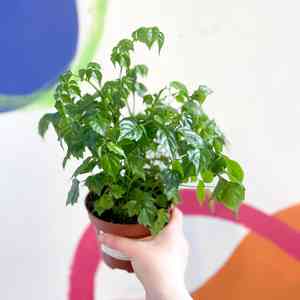
Celebrated for its abundant greenery and suitability for indoor environments, the emerald tree thrives with yearly trimming. Shorten elongated branches to preserve its form, concentrating on diminishing excessive growth in late winter prior to the appearance of new leaves. Trimming stimulates more compact development and rejuvenates the specimen by eliminating deceased or impaired branches. This plant reacts favorably to pruning, fostering more robust, vibrant foliage that elevates its decorative value.
What Are the Benefits of Pruning Emerald Tree?
What Are the Benefits of Pruning Emerald Tree?
Trimming emerald tree promotes robust development and maintains its form. It enables the removal of lifeless or overgrown limbs, fostering a stronger and more visually appealing structure.
What Is the Best Time for Pruning Emerald Tree?
What Is the Best Time for Pruning Emerald Tree?
Winter is considered ideal for pruning emerald tree because the plant is dormant then. During dormancy, emerald tree's growth rate slows, minimizing stress when branches are cut. It also helps prevent disease and pest spread, which are less active in colder months. Additionally, winter pruning offers better visibility of the plant's structure, simplifying shaping before spring's growth spurt. By pruning in winter, gardeners ensure emerald tree can heal from cuts and direct energy to new spring growth, leading to a healthier, more attractive plant.
What Tools Do I Need to Prune Emerald Tree?
Hand Pruners
Perfect for making precise cuts and shaping emerald tree, as its typically soft, green stems require a tool that can make clean cuts without crushing plant tissues.
Loppers
Useful for reaching higher branches and cutting slightly thicker stems that hand pruners might struggle with, thanks to their long handles and increased leverage.
Pruning Saw
Essential for removing any large, mature branches from emerald tree that cannot be easily cut with loppers, thereby promoting healthy growth and maintaining the plantâs structure.
Garden Scissors
Effective for trimming smaller leaves or twigs of emerald tree, especially in areas requiring more delicate handling or precision work.
Hedge Shears
Suitable for shaping emerald tree if grown as a hedge, as they can cut multiple small twigs at once and create a neat, straight edge.
How to Prune Emerald Tree
Step1: Tool Sterilization
Disinfect Pruning Tools - Before pruning emerald tree, sterilize your pruning tools with a solution of 1 part bleach to 9 parts water to prevent the spread of disease.
Step2: Plant Inspection
Examine Your Plant - Inspect emerald tree to identify dead wood, diseased limbs, and misshapen stems. Look for branches lacking green leaves, showing discoloration, or appearing dry and brittle.
Step3: Removing Dead Wood
Trim Dead Wood - Begin by making clean cuts to remove dead wood. Cut these branches back to where they meet healthy wood, ideally just above an outward-facing leaf node or bud. This encourages outward growth.
Step4: Cutting Out Disease
Eliminate Diseased Limbs - Identify any branches exhibiting signs of disease, such as unusual growths, discoloration, or rot. Cut these limbs back to healthy tissue, and dispose of them responsibly to prevent disease spread.
Step5: Shaping Growth
Form the Plant - To maintain emerald tree's shape, identify misshapen stems. Gently prune these stems by making angled cuts just above a healthy leaf node or outward-facing bud to promote bushy growth and maintain symmetry.
Step6: Canopy Thinning
Reduce Canopy Density - If emerald tree's interior is dense and light penetration is poor, thin out some branches. Select a few secondary branches to remove, ensuring better air circulation and light exposure throughout the plant.
Step7: Debris Disposal
Clean Up - After pruning, clear away all removed plant material. This reduces the chance of disease spreading from pruned parts to healthy parts of emerald tree or to other plants.
Step8: Hydration and Recovery
Post-Pruning Care - Water emerald tree after pruning to reduce plant stress. If pruning was extensive, consider providing temporary shade to protect the plant as it recovers from foliage loss.
Post-Pruning Care for Emerald Tree
Post-Pruning Care for Emerald Tree
Immediately after pruning emerald tree, ensure clean cuts to prevent infection. Maintain moderate humidity and indirect, bright light to avoid stress. Avoid temperature extremes. Resume fertilization a month post-pruning with balanced, diluted fertilizer to aid recovery. Regularly inspect the plant for wilting or discolored leaves, indicative of stress or infection. Promptly remove any affected foliage and adjust care as necessary, ensuring proper air circulation around emerald tree to promote healing and growth.
Common Pruning Mistakes with Emerald Tree
Avoid Damaging the Collar during Trunk Pruning
Cutting too close to the main trunk can harm emerald tree's collar, risking disease and poor healing.
Do Not Overprune Foliage
Removing too much foliage at once can stress emerald tree, leading to poor health and stunted growth.
Use Sharp and Sanitized Pruning Tools
Using dull or unclean pruning tools can create jagged cuts, making emerald tree more susceptible to pests and diseases.
Prune with Specific Objectives
Pruning without a clear goal, such as removing dead branches or shaping, can result in an unbalanced and unhealthy emerald tree.
Seal Larger Wounds to Protect from Pathogens
Neglecting to seal larger wounds might expose emerald tree to pathogens, especially in more humid climates.
Common Pruning Tips for Emerald Tree
Prune with Sharp, Clean Tools for Plant Health
Use sharp, clean pruning shears or scissors to ensure clean cuts and minimize the risk of infection for emerald tree.
Make Angled Cuts Above Leaf Nodes for Growth
When trimming, make cuts at a 45-degree angle about 1/4 inch above a leaf node, promoting healthy growth and preventing water accumulation.
Remove Dead or Diseased Branches First
Focus on removing dead, damaged, or diseased branches first to maintain the health and aesthetics of emerald tree.
Thin Foliage for Better Airflow and Light
Thin out dense areas of foliage to increase air circulation and light penetration, which is essential for the flowering and vigor of emerald tree.
Gradually Reduce Plant Size to Avoid Shock
If reducing the size of emerald tree, do so gradually over several seasons to avoid shock and to maintain the natural form of the plant.



