How to Prune Chinese cork oak?
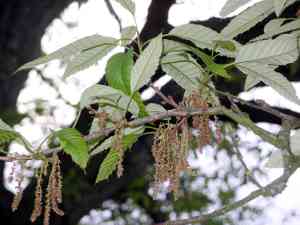
A deciduous tree prized for its shade and acorns that sustain local wildlife, the Chinese cork oak necessitates meticulous trimming to preserve its vitality and form. Utilize thinning cuts to open up the crown, enhancing light access and air movement. Eliminate any dead, ailing, or intersecting branches to cultivate a robust structure. The most favorable times for pruning are from late winter to early spring, as dormancy reduces sap leakage and precedes the emergence of new foliage. Pruning boosts the tree's strength and lifespan, and can encourage acorn yield, which is vital for indigenous animals.
Advantages of Trimming Chinese Cork Oak
Advantages of Trimming Chinese Cork Oak
Trimming chinese cork oak promotes robust development and helps maintain its desired form. Strategic cuts can stimulate new, healthy branches and leaves, while shaping enhances sun exposure and air movement within the canopy, vital for its strong health.
Optimal Period for Pruning Chinese Cork Oak
Optimal Period for Pruning Chinese Cork Oak
Pruning chinese cork oak during late winter or early spring aligns with the plant's dormant phase, preceding its active growth period. This timing facilitates rapid recovery and minimizes stress on the tree. Pruning before new growth begins allows wounds to heal with the spring growth surge, reducing the risk of disease and pest infestation. Additionally, the absence of foliage during this time offers a clear view of the tree's structure, enabling more precise cuts and form maintenance without disrupting flowering and fruiting cycles that typically occur later in the season.
Tools Required for Pruning Chinese Cork Oak
Hand Pruners
Excellent for trimming smaller branches and twigs of chinese cork oak due to their accuracy and ease of use.
Loppers
Suitable for cutting thicker branches of chinese cork oak that hand pruners cannot manage, offering leverage and extended reach.
Pruning Saw
Essential for removing large limbs from chinese cork oak, providing the capability to cut through thick wood without harming the tree.
Pole Pruner
Useful for reaching higher branches of chinese cork oak without needing a ladder, enhancing safety during the pruning process.
How to Prune Chinese Cork Oak
Sanitation
Start by sterilizing pruning tools to prevent disease spread to chinese cork oak. Use a solution of one part bleach to nine parts water to disinfect shears and saws before beginning and between cuts, especially when removing diseased branches.
Identification
Carefully inspect chinese cork oak to identify and mark dead or diseased branches. Prioritize branches showing signs of decay, damage, or illness. Dead branches typically lack leaves and are brittle, while diseased branches may exhibit abnormal growths or discoloration.
Cutting
Using sharp pruning shears or a saw, make clean cuts to remove dead or diseased branches from chinese cork oak. Cut just outside the branch collarâthe swollen area of trunk tissue that forms around the base of a branchâwithout damaging the collar itself, to promote proper healing.
Pruning Technique
Employ the three-cut technique for removing larger branches: first, saw a notch on the underside of the branch about 6-12 inches from the trunk; second, make a relief cut through the branch from the top, an inch or two outward from the notch to prevent bark stripping; third, complete the final cut just outside the branch collar as in step 3.
Disposal
Dispose of the trimmed material promptly and responsibly. Do not compost diseased material. Instead, burn (if permitted in your area) or discard it according to local regulations to limit any potential spread of pathogens to chinese cork oak or other nearby plants.
Common Pruning Errors with Chinese Cork Oak
Over-Pruning
Removing too much foliage can harm chinese cork oak, leading to weakened defenses against pests and diseases, and slowing its growth.
Improper Cut Placement
Cutting too close to the trunk can cause wounds that heal slowly, increasing the risk of infection. Conversely, leaving too long a stub can hinder proper healing.
Topping
Cutting off the top of the tree to reduce its size is a harmful practice that can result in weak new growth and increased vulnerability.
Neglecting Tool Hygiene
Using uncleaned tools can spread disease from infected plants to healthy ones, including chinese cork oak.
Ignoring Deadwood
Failing to remove dead or diseased branches can lead to further decay and pest problems within chinese cork oak.
Pruning For The Wrong Reason
Pruning chinese cork oak without a valid reason, such as to shape, remove dead wood, or improve structure, can be unnecessary and detrimental to the plant.
General Pruning Advice for Chinese Cork Oak
Sharp And Clean Tools
Use sharp, clean pruning shears or saws to make precise cuts that heal quickly, reducing the chance of disease entry.
Assess Tree Health
Examine chinese cork oak before pruning to identify which branches require removal due to damage, disease, or weak structure.
Correct Cuts
Ensure cuts are made just above a bud or branch collar without damaging the collar itself to promote proper healing.
Selective Thinning
Remove select branches to improve air circulation and light penetration, which will benefit the health and vigor of chinese cork oak.
Weight Reduction
If necessary, reduce end weight on long branches to minimize the risk of breakage, but be careful not to remove too much foliage.
Maintain Tree Form
Prune with consideration for the natural shape of chinese cork oak, focusing on maintaining its inherent form rather than creating an artificial shape.



