How to Prune Island live oak?
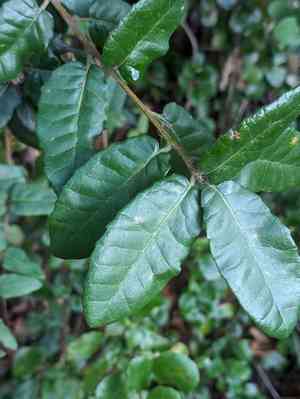
Belonging to the oak genus, the island live oak is recognized for its impressive stature and persistent green leaves. To preserve its well-being and framework, undertake trimming in late winter or early spring, while the tree is inactive. Eliminate any deceased, ailing, or intersecting limbs; reduce crowded growth to boost air movement. Restrict extensive cutting to prevent strain and encourage its inherent form. Trimming boosts vitality, deters infestations, and adds to the visual charm of the island live oak.
What Are the Benefits of Pruning Island Live Oak?
What Are the Benefits of Pruning Island Live Oak?
Trimming island live oak promotes vigorous development and maintains its attractive shape. Strategic cutting back stimulates new shoots and leaves, resulting in a fuller canopy. Regular shaping ensures island live oak remains visually pleasing and well-proportioned within its setting.
What Is the Best Time for Pruning Island Live Oak?
What Is the Best Time for Pruning Island Live Oak?
The optimal period for pruning island live oak is from late winter to early spring, prior to the start of its new growth phase. This timing is ideal as the plant is still dormant, minimizing stress and the chance of disease transmission. Sap flow is less active, reducing bleeding and allowing for cleaner cuts. Pruning before new buds appear helps direct the plant's energy towards producing fresh, healthy growth, which is crucial for island live oak's recovery and vitality. Trimming during these seasons also avoids disrupting its flowering or fruiting cycle, essential for maintaining the plant's natural life cycle, health, and productivity.
What Tools Do I Need to Prune Island Live Oak?
Hand Pruners
Perfect for cutting small branches and twigs on island live oak, hand pruners, particularly bypass pruners, deliver precise cuts without harming the surrounding bark.
Lopping Shears
Suitable for branches too thick for hand pruners (up to approximately 1-1/2 inches in diameter). Their long handles provide leverage for cutting through thicker growth on island live oak.
Pruning Saw
A pruning saw is essential for branches exceeding 1-1/2 inches in diameter. Its serrated blade is designed to cut on the pull stroke, reducing effort and ensuring a cleaner cut.
Pole Pruner
For reaching higher branches on island live oak, a pole pruner enables the gardener to trim branches from the ground without needing a ladder.
Chainsaw
On mature island live oak with large limbs, a chainsaw might be necessary for removing very thick branches. This should only be operated by experienced individuals with appropriate safety gear.
How to Prune Island Live Oak
Clean
Before starting, ensure all pruning tools are clean and sharp to prevent disease spread and make precise cuts on island live oak.
Inspect
Thoroughly examine island live oak to identify all dead and diseased branches; these will be your primary focus for pruning.
Cut Dead Branches
Using appropriate pruning shears for smaller branches or a saw for thicker ones, remove dead branches by cutting them back to their origin or to a healthy lateral branch without damaging the collar.
Cut Diseased Branches
Carefully prune diseased branches, cutting well below the affected area to prevent further disease spread. Disinfect tools after each cut when working with diseased wood.
Disposal
Properly dispose of all dead and diseased branches away from healthy plants to minimize the risk of disease transmission.
Common Pruning Mistakes with Island Live Oak
Overpruning
Removing excessive foliage can stress island live oak, diminishing its resilience and growth potential. It's vital not to remove more than one-third of the total canopy in a single pruning session.
Improper Cut Location
Cutting too close to the trunk can harm the branch collar, leading to poor healing. Conversely, leaving too long a stub can attract pests and diseases.
Using Dull Tools
Employing dull or dirty pruning tools can result in jagged cuts, harming island live oak by inviting disease and pest infestation.
Tearing Bark
Tearing the bark when removing larger branches can create wounds on island live oak that are vulnerable to disease and may disrupt nutrient flow.
Neglecting To Prune
Failing to prune island live oak when necessary can lead to dense foliage that hinders growth and increases the risk of disease and pests.
Common Pruning Tips for Island Live Oak
Sharp Clean Tools
Always use sharp, clean tools to make precise cuts, which help island live oak heal faster and more effectively.
Proper Cut Technique
Make cuts at a slight angle away from the bud to prevent water from collecting on the cut surface, which could lead to rot.
Remove Dead Wood
Regularly remove dead, diseased, or damaged wood to promote healthier island live oak growth and prevent the spread of pathogens.
Thinning
Thin out crowded areas to improve air circulation and light penetration throughout island live oak, which helps to reduce the risk of disease.
Structural Pruning
Focus on structural pruning, especially when island live oak is young, to encourage a strong framework that can withstand wind and weight as it matures.



