How to Prune Cork oak?
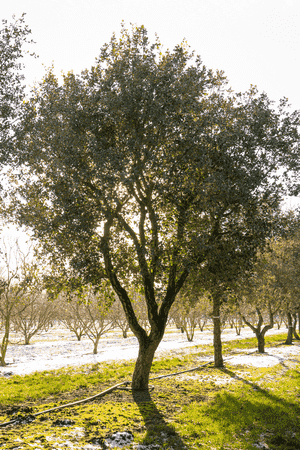
The cork oak, a unique evergreen species recognized for its dense, cork-like bark, necessitates trimming to eliminate deceased or ailing branches and to sculpt the tree for robust architecture. Essential methods involve reducing congested limbs and preserving a dominant central stem. This maintenance should occur in the colder months when the tree is inactive. Important points include refraining from making excessively large incisions, as the cork oak recovers slowly, and guaranteeing precise, keen cuts to foster vigorous new development. Trimming benefits the cork oak by improving light exposure and airflow throughout its foliage.
Advantages of Trimming Cork Oak
Advantages of Trimming Cork Oak
Trimming cork oak promotes vigorous development and preserves its form. Strategic cuts help manage size and foster a strong framework, crucial for the tree's lifespan and cork yield.
Optimal Period for Trimming Cork Oak
Optimal Period for Trimming Cork Oak
This timeframe is ideal as cork oak is dormant, minimizing stress and sap loss. Pruning during dormancy encourages robust spring growth and allows pruning wounds to heal before the growing season. It also lowers the risk of disease and pest infestation, which are more common in warmer conditions. Avoiding the flowering and fruiting stages ensures the natural reproductive cycle of cork oak is not disturbed.
Required Tools for Trimming Cork Oak
Hand Pruners
Perfect for cutting small branches and twigs of cork oak. The implement should be capable of making clean cuts without harming the bark or branch collar, vital for preventing disease.
Loppers
Suitable for branches up to 2 inches thick, common in the younger parts of cork oak. Loppers offer leverage for thicker cuts and come in various handle lengths to reach higher branches.
Pruning Saws
Essential for cutting branches exceeding 2 inches in diameter. A curved blade pruning saw can facilitate cutting through the thicker, more mature branches of cork oak with precision.
Pole Pruners
Utilized for reaching elevated branches that are beyond arm's reach. Since cork oak can grow tall, a pole pruner provides extended reach without requiring ladders, enhancing safety.
Pruning Shears
Best for shaping the outer canopy and snipping smaller, accessible branches or foliage of cork oak. Given that precision is needed for aesthetic purposes, sharp shears can ensure minimal damage.
Chainsaw
For larger limbs or trunk sections, especially in cases of damage or disease. However, this should be operated by professionals due to injury risks and potential harm to cork oak if not used correctly.
How to Trim Cork Oak
Sanitize Tools
Before trimming cork oak, ensure all tools are clean and sharp to prevent disease spread and make precise cuts.
Remove Dead Branches
Locate and eliminate any dead branches from cork oak by cutting them back to their origin point or to a living lateral branch without harming the collar.
Cut Diseased Branches
Identify and prune diseased branches from cork oak. Make cuts well into healthy wood to ensure all infected material is removed.
Disinfect Tools
After each cut on diseased branches, sanitize pruning tools to prevent transmitting pathogens to healthy parts of cork oak or to other plants.
Shape Tree
Once all dead and diseased branches are removed from cork oak, lightly trim the tree to maintain its natural shape, avoiding heavy pruning as it can reduce cork production.
Common Trimming Errors with Cork Oak
Excessive Pruning
Removing too much of the canopy at once can stress cork oak and lead to poor growth or disease.
Incorrect Cuts
Making flush cuts against the trunk or leaving stubs can cause unnecessary wounds and impede the tree's natural healing process.
Neglecting Tool Sterilization
Failing to sterilize pruning tools before use may introduce pathogens that could infect cork oak.
Bark Tearing
Improper cutting technique may result in bark tearing, which can create entry points for pests and diseases.
Pruning During Growth
Pruning when cork oak is actively growing can deplete its energy reserves and reduce its resilience.
General Trimming Advice for Cork Oak
Sharp Tools
Always use sharp, clean tools to make clean cuts that cork oak can heal from quickly.
Careful Pruning
Prune only what is necessary to maintain the tree's structure, removing dead or diseased wood and crossing branches.
Cut Placement
Make cuts just above leaf nodes or lateral branches to encourage proper regrowth.
Wound Dressing
Generally, avoid applying wound dressing as cork oak typically heals better naturally.
Follow Branch Collar
When removing larger branches, cut just outside the branch collar, not flush with the trunk, to promote faster healing.



