How to Prune Shumard oak?
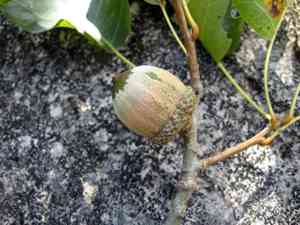
The shumard oak, a majestic tree recognized for its towering stem and dense foliage, thrives with judicious trimming. Essential methods involve excising deceased or compromised limbs, reducing density to enhance airflow, and shaping the crown to preserve its form and framework. The most suitable periods for pruning are late winter or early spring, while the tree is inactive, to stimulate robust development. Appropriate pruning boosts the tree's well-being, fosters a sturdy branch arrangement, and averts potential harm from substantial branches.
What Are the Benefits of Pruning Shumard Oak?
What Are the Benefits of Pruning Shumard Oak?
Trimming shumard oak promotes robust development and maintains its attractive shape. This deliberate cutting eliminates dead or weak limbs, fostering strong new growth and a well-formed, sturdy structure.
What Is the Best Time for Pruning Shumard Oak?
What Is the Best Time for Pruning Shumard Oak?
Shumard oak should ideally be trimmed during late winter to early spring because this timing minimizes the risk of pruning-related stress and disease transmission. The dormant season, before active growth begins, allows shumard oak to recover from pruning cuts as the weather warms, which can stimulate new growth. Additionally, the lack of foliage at this time gives a clearer view of the tree's structure for more precise pruning. Avoiding the cutting of shumard oak during the fall is important due to the potential for fungal diseases to enter pruning wounds with the increased moisture in the air and slower healing before the onset of cold weather. Pruning during the aforementioned optimal seasons aligns with shumard oak's growth cycle by facilitating the wound closure process and robust growth during the subsequent growing season while also preventing interference with flowering or fruiting since shumard oak does not produce significant flower or fruit structures that would determine pruning times.
What Tools Do I Need to Prune Shumard Oak?
Hand Pruners
Essential for making clean cuts on smaller branches of shumard oak, typically less than 1/2 inch in diameter. Ideal for shaping and removing dead or diseased wood without damaging the tree.
Loppers
Provide leverage and longer reach for branches up to 2 inches in diameter on shumard oak, allowing for precise cuts without climbing the tree for lower branches.
Pruning Saw
Necessary for cutting branches larger than 2 inches in diameter on shumard oak. A pruning saw makes it possible to make clean cuts on thicker branches where hand pruners and loppers are not sufficient.
Pole Pruner
Useful for reaching higher branches on shumard oak without the use of a ladder, ensuring safety and efficiency. Typically includes a saw and a lopper tool.
Pruning Shears
Appropriate for snipping off any suckers and water sprouts at the base or on the trunk of shumard oak, which allows for maintaining a clear tree structure and redirecting nutrients to essential parts of the tree.
Chainsaw
For professional or experienced gardeners, a chainsaw may be required for removing very large branches or limbs on mature shumard oak trees. It is crucial to use with caution and protective gear.
How to Prune Shumard Oak
Step1: Assessing Pruning Needs
Evaluate shumard oak for pruning requirements, specifically looking for dead wood, diseased limbs, and weak branches. The best time to do this is in late winter or early spring before the growing season begins.
Step2: Tool Sterilization Process
Sanitize your pruning tools with a solution of 1 part bleach to 9 parts water to prevent the spread of disease during the pruning process. Rinse the tools with clean water afterwards.
Step3: Identifying and Pruning Dead Wood
Identify dead wood by looking for branches that lack green foliage, have a dry and brittle appearance, or where the bark is peeling and the wood underneath is discolored. Prune these branches at the point where they meet healthy wood, using an angled cut to prevent water from accumulating on the cut surface.
Step4: Removing Diseased Limbs
Locate diseased limbs by checking for discoloration, unusual growths, or signs of insect infestation. Make cuts at least 6-12 inches into healthy tissue beyond the diseased area to ensure all infected material is removed.
Step5: Eliminating Weak Branches
Evaluate the structure of shumard oak and identify weak branchesâthese are often positioned at narrow angles and are likely to break under stress. Remove these by pruning back to a lateral branch or the main trunk, ensuring the cut is just outside the branch collar without leaving a stub.
Step6: Three-Cut Technique for Large Branches
For larger branches, use the three-cut technique to avoid tearing the bark. The first cut should be a notch made on the underside of the branch, about a few inches away from the trunk. The second cut is made from the top, a few inches beyond the first cut, to remove the majority of the branch. The final cut is to remove the stub cleanly at the branch collar.
Step7: Angle Cuts for Healing and Runoff
Make all cuts at a 45-degree angle to promote healing and water runoff, avoiding cuts that are flush with the trunk to protect the branch collar and ensure proper healing.
Step8: Cleanup After Pruning
After pruning, clean up all the removed materials from the base of shumard oak to prevent pests and diseases from harboring in the debris.
Step9: Monitoring Post-Pruning Health
Monitor shumard oak after pruning for signs of infection or decay at the cut sites. If any issues are spotted, seek the advice of a professional arborist.
Step10: Avoiding Over-Pruning
Avoid over-pruning as it can stress shumard oak and make it more susceptible to diseases and pests. Generally, no more than 25% of the canopy should be removed in a single season.
Post-Pruning Care for Shumard Oak
Post-Pruning Care for Shumard Oak
Immediately after trimming shumard oak, ensure the cuts are clean to promote healing. Provide shumard oak with adequate water, keeping soil consistently moist but not waterlogged. Manage light exposure, avoiding intense midday sun that may stress freshly pruned areas. Maintain moderate humidity and stable temperatures to prevent environmental stress. Incorporate balanced fertilizers to support shumard oak's growth and recovery, but avoid over-fertilization which can lead to excessive foliage at the expense of root development. Regularly inspect shumard oak for signs of stress, such as wilted leaves or unusual growths, which could indicate infection. Promptly address any issues using appropriate horticultural interventions.
Common Pruning Mistakes with Shumard Oak
Spreading Disease via Unsterilized Tools
Neglecting to sterilize tools before pruning shumard oak, which risks spreading diseases to the tree.
Excessive Foliage Removal Stressing Plant
Removing too much foliage in one session, stressing shumard oak and potentially leading to poor health and growth.
Improper Pruning Cuts Attracting Pests
Making improper cuts, such as leaving large stubs or flush cutting against the trunk, which can cause damage and create entry points for pests and disease.
Over-pruning Young Branches Hinders Growth
Pruning young, vigorous branches indiscriminately, which can reduce shumard oak's potential for healthy branching patterns in the future.
Bark Tearing from Incorrect Branch Removal
Tearing the bark when removing large branches, which can create large wounds on shumard oak that are slow to heal.
Common Pruning Tips for Shumard Oak
Use Sterilized Sharp Tools for Healthy Cuts
Use clean, sharp pruning tools to make clean cuts on shumard oak that will heal quickly, reducing the risk of disease.
Strategic Cuts to Prevent Bark Tearing
When removing larger branches from shumard oak, make a series of strategic cuts to prevent bark tearing: an undercut first, a top cut next, and a final cut close to the branch collar without damaging it.
Remove Damaged Branches for Plant Health
Target dead, diseased, or crossing branches for removal to improve the overall health and appearance of shumard oak.
Prune Above Buds for Natural Growth
Ensure to make pruning cuts just above a bud facing the outside of the tree on shumard oak. This enables the new growth to follow a natural, outward growing pattern.
Purposeful Pruning for Long-Term Structure
Prune shumard oak with a purpose, whether it is to shape the tree, remove hazards, or improve its structure, always considering the long-term impact of each cut.



