How to Prune English oak?
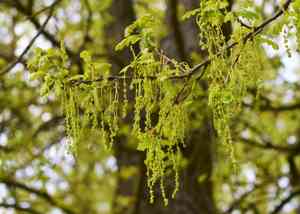
A highly esteemed deciduous tree featuring an expansive crown, english oak is recognized for its substantial dimensions and extended lifespan. Trimming practices ought to concentrate on excising deceased or ailing limbs, reducing the density of the canopy to facilitate light infiltration, and lessening the mass of branches to avert fracturing. The most opportune period for pruning is during late winter or early spring, prior to the ascent of sap. Pruning english oak improves the tree's well-being, stimulates development, and preserves its impressive structure, simultaneously preventing the dissemination of diseases prevalent in more humid periods.
What Are the Benefits of Pruning English Oak?
What Are the Benefits of Pruning English Oak?
Trimming english oak promotes robust growth and maintains its form. This process facilitates the removal of dead or diseased wood, fosters a strong framework, and enhances light penetration and air circulation within the canopy.
What Is the Best Time for Pruning English Oak?
What Is the Best Time for Pruning English Oak?
These periods are considered ideal because english oak is dormant, which reduces stress and allows for a strong recovery in the subsequent growth cycle. Pruning in late winter avoids the coldest times that can harm fresh cuts but occurs before the spring sap rises, minimizing sap bleed. Trimming in early spring is also beneficial as it precedes new growth, ensuring energy is directed towards producing new shoots and leaves, leading to a healthier and more vigorous english oak. These timings also enable gardeners to clearly see the tree's structure, aiding better pruning decisions without leaf obstruction.
What Tools Do I Need to Prune English Oak?
Hand Pruners
For young growth and small branches up to ¾ inch in diameter on english oak, hand pruners are perfect. Opt for a bypass style, as they deliver cleaner cuts which aid in quicker healing.
Loppers
For branches between ¾ inch and 1.5 inches in diameter, loppers offer the necessary leverage. Their longer handles also allow access into the english oak's denser canopy.
Pruning Saws
When dealing with branches over 1.5 inches in diameter, pruning saws are essential. Their sharp teeth and ergonomic design can manage the thick, mature branches of english oak with greater precision and less effort.
Pole Saws or Pruners
For elevated branches that need cutting without climbing the english oak, pole saws or pruners extend the gardener's reach. They are crucial for safely maintaining the upper section of the english oak from the ground.
Chainsaw
For very thick limbs or when performing major limb removals on mature english oak, a chainsaw can be utilized by trained professionals. This ensures rapid, efficient cuts but demands expertise for safe and effective use.
Wood Chisels
To smooth out any jagged bark edges after large cuts, a sharp wood chisel can be used on english oak to encourage better wound closure.
Wound Dressing
While opinions vary, some experts suggest using wound dressing on english oak after pruning to shield large cuts from diseases and pests; however, current research indicates trees can seal their own wounds and dressings may not be necessary.
How to Prune English Oak
Step1: Timing Pruning to Prevent Disease
Determine the optimal time to prune english oak, which is late winter or early spring before the growing season starts, to avoid cutting during sap flow and to reduce disease risk.
Step2: Using Clean, Sharp Tools for Pruning
Prepare clean, sharp pruning tools to make precise cuts. This helps minimize damage and improves wound recovery.
Step3: Dead Wood Identification and Removal
Inspect english oak for any dead wood, which often appears discolored, brittle, and lacks buds. These branches should be taken off to prevent decay organisms from entering the tree.
Step4: Proper Technique for Dead Branch Cutting
For dead wood removal, use a handsaw or loppers to make cuts just outside the branch collar. This is the swollen area where the branch meets the trunk or a larger branch. Avoid cutting the branch collar itself to promote proper healing.
Step5: Identifying and Assessing Diseased Limbs
Locate and evaluate diseased limbs on english oak, typically indicated by cankers, discolorations, or unusual growth patterns. Confirm disease with a reliable source if needed.
Step6: Disinfecting Tools to Avoid Disease Spread
Sanitize tools with a 10% bleach solution or rubbing alcohol before and after cutting diseased limbs to prevent spreading pathogens.
Step7: Cutting Diseased Limbs into Healthy Wood
Prune diseased limbs by making a cut at least 6 to 12 inches into healthy wood beyond visible signs of disease. This helps ensure that all infected material is removed.
Step8: Weak and Crossing Branch Evaluation
Examine english oak for weak branches such as those with narrow V-shaped crotches, which are more prone to breaking. Also, look for crossing branches that can rub together and cause wounds.
Step9: Three-Cut Method for Weak Branch Removal
When removing weak branches, apply the 'three-cut method' to prevent bark tearing: a) Undercut the branch about 6 inches from the branch collar. b) Make a second cut all the way through the branch, moving a few inches up from the first cut. c) Finish with a third cut just outside the branch collar.
Step10: Cleanup of Removed Limbs and Debris
After the pruning session, clear away all removed limbs and debris to discourage pests and diseases from harboring around english oak.
Step11: Monitoring Pruning Wounds for Health Issues
Monitor the pruning wounds on english oak for signs of decay or disease in subsequent seasons, as appropriate wound care is crucial for the tree's health and longevity.
Post-Pruning Care for English Oak
Post-Pruning Care for English Oak
After pruning english oak, promptly clear away debris and apply a wound sealant to large cuts. Optimize light exposure and protect english oak from extreme temperatures. Maintain ambient humidity to prevent desiccation of pruned areas. Fertilize with a balanced, slow-release nutrient mix to aid recovery. Regularly inspect english oak for signs of stress or infection, such as discoloration or oozing, and consult a professional arborist if issues arise. Adjust care as necessary to promote healthy regrowth.
Common Pruning Mistakes with English Oak
Avoid Over-pruning to Prevent Stress and Weakness
Excessive pruning can stress english oak, leading to diminished growth and susceptibility to pests and diseases. Removing more than 25% of the crown in a single season should be avoided.
Sterilize Pruning Tools to Stop Disease Spread
Failing to properly sterilize pruning tools between uses can spread disease to english oak. Pathogens carried on unclean tools can infect the pruning cuts.
Prevent Bark Tearing with Proper Cutting Technique
Tearing the bark when removing large branches can harm english oak. An incorrect technique, such as not using the three-cut method, can result in ragged wounds that heal slowly and are vulnerable to disease.
Make Correct Cuts to Ensure Healthy Healing
Cutting too close or too far from the trunk when pruning english oak can lead to poor healing. Improper cut placement can damage the branch collar or leave a stub that hinders callus formation and invites decay.
Prune Appropriately, Avoiding Excessive Size Reduction
Pruning for the wrong reasons, such as attempting to significantly reduce the height or width of mature english oak, may not be practical or healthy for the tree. English oak is naturally large and imposing; extensive size reduction can weaken its structure.
Common Pruning Tips for English Oak
Use Sharp, Clean Tools for Healthy Pruning Cuts
Make clean cuts using sharp, sanitized pruning tools to minimize damage to english oak and promote faster healing. Clean tools help prevent the spread of disease.
Apply Three-Cut Method for Large Branch Removal
Use the three-cut method when removing large branches from english oak to prevent tearing of the bark. This involves an undercut, a relief cut, and then a final cut near the branch collar.
Prune with Respect to Natural Tree Form
Respect the natural form of english oak when pruning. Remove only dead, damaged, or weak limbs to improve the treeâs health and structure without altering its inherent shape.
Remove Selective Branches for Better Tree Structure
Target specific branches for removal to maintain or improve the structure of english oak, such as crossing branches, water sprouts, and suckers that detract from vitality and aesthetics.
Cut Outside Branch Collar for Proper Wound Healing
Always make pruning cuts just outside the branch collar, not flush with the trunk, to protect english oak's natural defense mechanisms and ensure proper wound healing.



