How to Prune Sessile oak?
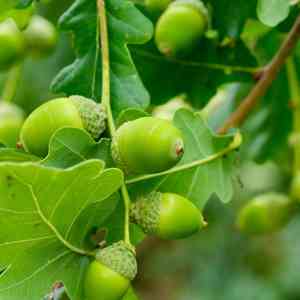
A magnificent deciduous tree, sessile oak is celebrated for its sturdy build and expansive foliage. Essential trimming methods for sessile oak involve reducing minor branches to improve air movement and eliminating deceased or ailing timber to foster vigorous development. The ideal period for pruning is in late winter or early spring when the tree is inactive and prior to the sap ascending. Trimming this oak can avert subsequent structural problems, enhance light penetration, and preserve its grand aesthetic. Caution should be exercised to prevent substantial incisions, which could result in rot.
What Are the Benefits of Pruning Sessile Oak?
What Are the Benefits of Pruning Sessile Oak?
Trimming sessile oak promotes robust new development and helps maintain its desired form. Consistent removal of dead or overgrown limbs ensures the plant's strong vitality and structural soundness.
What Is the Best Time for Pruning Sessile Oak?
What Is the Best Time for Pruning Sessile Oak?
Pruning sessile oak from late winter to early spring is beneficial because the plant is still dormant, which minimizes sap loss and the risk of disease entry. This timing also provides a clear view of the plant's structure, helping to identify which branches to remove. Furthermore, wound healing is faster once the growing season begins, reducing stress on sessile oak. These seasons avoid disrupting the plant's flowering or fruiting periods, which typically occur later in the year. It also allows sessile oak time to establish new growth before the strain of summer heat.
What Tools Do I Need to Prune Sessile Oak?
Hand Pruners
Perfect for cutting small branches, twigs, and suckers on sessile oak. They offer precision and are suitable for making clean cuts on branches up to 1 inch in diameter.
Loppers
Effective for trimming thicker branches, typically up to 2 inches in diameter. Their long handles provide leverage to help make clean cuts on sessile oak without damaging the tree.
Pruning Saws
Best for larger branches over 2 inches in diameter. For sessile oak, a curved blade saw can make the task of cutting through thick, mature branches easier and more efficient.
Pole Pruners
Useful for reaching higher branches on sessile oak without the need for a ladder. This tool combines a saw and a lopper, which is ideal for branches that are high up and up to 2 inches thick.
Hedge Shears
Not typically used for sessile oak, as they are primarily designed for shaping and maintaining hedges or shrubberies.
Chainsaw
Should only be used for sessile oak's largest branches or for tree removal, and by trained professionals due to the safety risks and potential damage to the tree if not used correctly.
How to Prune Sessile Oak
Identify
Examine sessile oak closely to distinguish dead or diseased branches. Look for signs of decay, discoloration, or branches that lack leaves and flexibility.
Sanitize
Before pruning sessile oak, sanitize your pruning tools with alcohol or a bleach solution to prevent the spread of disease.
Cut
Using sharp shears or a saw, make clean cuts on sessile oak to remove dead or diseased branches. Cut at a slight angle, a few inches away from the trunk to facilitate proper healing.
Dispose
After cutting the branches from sessile oak, dispose of them responsibly to avoid contamination or the spread of disease to other plants.
Inspect
Inspect sessile oak after pruning to ensure there are no jagged edges or stubs that could be entry points for pests or disease.
Common Pruning Mistakes with Sessile Oak
Over-Pruning
Removing too much foliage at once which can stress sessile oak, leading to poor growth and increased vulnerability to diseases.
Flush-Cutting
Pruning too close to the trunk which can damage the collar, hinder the sessile oak's natural healing process, and expose the tree to infections.
Neglecting Tools
Using blunt or dirty pruning tools which can cause rough cuts and introduce disease to sessile oak.
Improper Timing
Pruning at a time when sessile oak is most vulnerable, such as during active growth or when it is experiencing stress, can hinder its health and development.
Tailing
Giving sessile oak an unnatural shape by cutting branches disproportionately, which can lead to structural weaknesses and aesthetic issues.
Common Pruning Tips for Sessile Oak
Selective Thinning
Remove selective branches to improve light and air penetration, encouraging healthy growth without altering the natural shape of sessile oak.
Clean Cuts
Make clean and precise cuts at a slight angle away from the bud or branch to promote healthy healing and regrowth in sessile oak.
Sterilize Tools
Clean and sterilize tools before use to prevent the spread of disease to sessile oak during pruning.
Structural Pruning
Focus on removing dead, weak, diseased, or crossing branches to maintain strong structure and good health of sessile oak.
Crown Cleaning
Regularly perform light crown cleaning to remove deadwood and maintain the aesthetic and health of sessile oak.



