How to Prune Cherrybark oak?
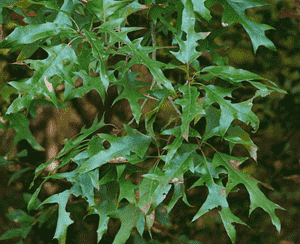
Celebrated for its wood quality and as a majestic canopy tree, cherrybark oak flourishes with appropriate trimming. The ideal time for pruning is from late winter to early spring, steering clear of peak sap movement to avert exudation. Essential methods involve excising deceased or compromised wood, reducing dense branches to boost light access and air movement, and forming for structural soundness. Pruning not only improves cherrybark oak's appearance and well-being but also fosters the development of robust, unblemished lumber.
What Are the Benefits of Pruning Cherrybark Oak?
What Are the Benefits of Pruning Cherrybark Oak?
Trimming cherrybark oak promotes robust development and helps maintain its desired form. This action eliminates potential disease carriers and fosters a strong structure, improving its overall health and visual appeal.
What Is the Best Time for Pruning Cherrybark Oak?
What Is the Best Time for Pruning Cherrybark Oak?
Late winter and early spring are optimal for pruning cherrybark oak because the plant remains dormant before new growth begins. Pruning during this period minimizes impact on the plant's health, as cutting branches and removing deadwood does not interfere with or deplete energy from the developmental processes typical of the growing season. Furthermore, without leaves, the structure of cherrybark oak is more visible, allowing for more strategic and careful pruning. The risk of disease transmission is also lower, as many pathogens are less active in colder temperatures. Additionally, pruning before the spring growth spurt means wounds can heal faster, and the plant can direct energy toward developing new, healthy structures. By avoiding flowering or fruiting periods, this timing ensures minimal disruption to cherrybark oak's reproductive cycle.
What Tools Do I Need to Prune Cherrybark Oak?
Bypass Pruners
These are perfect for making clean cuts on young branches and twigs of cherrybark oak. The sharp, scissor-like action of bypass pruners ensures minimal damage to plant tissues, aiding better healing.
Loppers
Loppers will provide the extra leverage needed to cut through branches up to 2 inches in diameter, which cherrybark oak may possess. The long handles allow access to higher branches without a ladder.
Pruning Saw
For branches exceeding 2 inches in diameter, a pruning saw is essential. Cherrybark oak might have such larger branches, and the saw can handle them efficiently without causing jagged cuts that could lead to disease.
Pole Pruner
A pole pruner enables safe trimming of higher branches, which is crucial as cherrybark oak can grow quite tall. This tool reduces the need for climbing and minimizes injury risk.
Hedge Shears
These are generally not advised for cherrybark oak, except for shaping hedges or topiary. Hedge shears create straight, broad cuts, which are typically unsuitable for the selective pruning cherrybark oak requires.
How to Prune Cherrybark Oak
Select proper tools
Choose clean, sharp pruning tools suitable for cutting dead or diseased branches from cherrybark oak. Larger branches may require a pruning saw, while hand pruners can be used for smaller limbs.
Inspect and plan
Examine cherrybark oak thoroughly, identifying all dead and diseased branches that need removal. Plan cuts to avoid harming healthy parts of the plant.
Clean cut technique
Make precise cuts at a slight angle, just above a bud or branching point for smaller branches. For larger branches, use the three-cut method to prevent bark tearing: make an undercut, then a second cut further out on top before the final cut near the trunk.
Disinfect tools
Sanitize your tools after each cut on diseased branches to prevent pathogen spread to healthy parts of cherrybark oak.
Observe and assess
After pruning, monitor cherrybark oak for any signs of stress or further disease and trim any additional branches if necessary following the same steps.
Common Pruning Mistakes with Cherrybark Oak
Over-pruning
Removing too much foliage at once can stress cherrybark oak, leading to poor growth and reduced vitality.
Improper cuts
Cutting too close or too far from the main branch can result in damage or disease. Precise cuts help cherrybark oak heal properly.
Neglecting tool hygiene
Using dirty pruning tools can introduce pathogens to cherrybark oak, potentially causing infections and diseases.
Tearing bark
When cutting branches, avoid tearing the bark on cherrybark oak, as it can expose the plant to pests and environmental stress.
Pruning without purpose
Random or unnecessary cuts can hinder the growth of cherrybark oak. Each cut should have a clear purpose, whether it's removing dead wood or shaping the plant.
Common Pruning Tips for Cherrybark Oak
Clean cuts
Use sharp, clean tools to make precise cuts on cherrybark oak, which helps the tree heal faster and reduces the chance of disease.
Correct angling
Cut branches of cherrybark oak at an angle that allows water to run off, promoting quick healing and preventing rot.
Deadwood first
Focus on removing dead or diseased branches from cherrybark oak to promote healthy growth and prevent the spread of decay.
Branch collar care
When removing branches from cherrybark oak, avoid damaging the branch collar as it is crucial for proper wound closure and healing.
Structural pruning
For cherrybark oak, regular structural pruning in its formative years can develop a strong, stable framework for later life.
Weight reduction
If a branch is heavy and poses a risk of breaking, reduce the weight before making a final cut to prevent tearing on cherrybark oak.



