How to Prune Water oak?
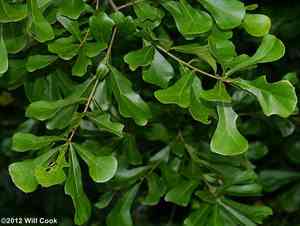
This resilient, rapidly developing tree is recognized for its capacity to thrive in moist ground. For water oak, trimming ought to concentrate on excising deceased or compromised limbs and reducing density to preserve its form and air circulation. The most suitable period for pruning is in late winter or early spring, prior to the emergence of new foliage. Exercise care to avoid excessive pruning of juvenile trees, as this could impede their vigorous development. Pruning aids water oak by diminishing the likelihood of disease and fostering a robust, flourishing crown.
Advantages of Trimming Water Oak
Advantages of Trimming Water Oak
Trimming water oak promotes vigorous development by eliminating lifeless or competing branches, thereby channeling energy towards healthier limbs. This action also preserves the tree's framework, fostering a balanced, visually appealing form.
Optimal Period for Trimming Water Oak
Optimal Period for Trimming Water Oak
Trimming water oak from late winter to early spring is most beneficial as it coincides with its dormant phase just before active growth begins. This timing lessens the chance of pruning wounds attracting pests or diseases, which are less active in cooler weather. It also minimizes stress on water oak, allowing for a robust recovery. Pruning before new leaves and growth emerge ensures the plant's energy is directed towards healing and the creation of new, healthy growth structures.
Required Tools for Trimming Water Oak
Hand Pruners
Perfect for severing small branches, typically under 0.5 inches in diameter, on water oak saplings or young trees. Opt for bypass pruners for cleaner cuts that support healthy regrowth.
Loppers
Suitable for cutting medium-sized branches between 0.5 to 1.5 inches in diameter on water oak. They offer greater leverage and reach than hand pruners, ensuring cleaner cuts on slightly thicker branches.
Pruning Saw
Recommended for removing larger branches exceeding 1.5 inches in diameter. A pruning saw is essential for mature water oak when more substantial cutting is needed without harming the tree.
Pole Pruner
Utilized for reaching elevated branches on water oak without needing a ladder. They can cut through branches typically up to 2 inches in diameter and are useful for maintaining the treeâs overall shape from the ground.
Chainsaw
Reserved for very thick branches or for the removal of significant parts of water oak, such as large limbs or the entire tree. This tool should be handled with caution and potentially by professional arborists.
Wound Dressing
Though not a tool, applying wound dressing to larger cuts on water oak is advised to prevent disease and pest infestation. Modern horticultural practices suggest that clean cuts generally heal better without dressings; however, it might be considered in specific situations to guard against certain pests or diseases known to target water oak.
Gloves and Safety Gear
Protective gloves, eye protection, and possibly a hard hat are crucial when trimming water oak to prevent injuries from falling branches and contact with sharp implements.
How to Trim Water Oak
Step1: Pruning Schedule
Determine the optimal time to trim water oak. Pruning should occur in late winter to early spring before new growth commences. Avoid pruning in late summer or early fall to prevent stimulating new growth that could be susceptible to winter damage.
Step2: Tool Preparation and Sanitation
Prepare appropriate tools for trimming water oak. Use clean, sharp instruments such as hand pruners for small branches, loppers for medium-sized limbs, and a pruning saw for thicker branches. Disinfect tools between cuts if disease is present to prevent spread.
Step3: Removal of Dead Wood
Begin by removing all dead wood, identifiable by its dry, brittle texture and absence of leaves or buds. Cut dead branches back to a healthy section of the water oak, making the cut just outside the branch collar without damaging it.
Step4: Cutting Diseased Limbs
Next, identify and remove any diseased limbs. These may exhibit signs of discoloration or fungal growth. Make cuts well below the affected areas to ensure all diseased tissue is eliminated. Sterilize tools after each cut if disease is suspected.
Step5: Clearing Weak Branches
Remove weak branches that are poorly attached, typically at narrow angles. Cut these back to their point of origin on the main stem or to a strong lateral branch. Focus on preserving the water oak's natural shape and structure.
Step6: Thinning for Air and Light
Thin out congested areas to enhance air circulation and light penetration. Be careful not to remove more than one-third of water oak's live foliage in a single season, as excessive pruning can stress the tree.
Step7: Checking Balance and Form
After each cut, observe the water oak for balance and form. Step back frequently to assess the overall appearance, ensuring you're not over-pruning any single area and maintaining a natural shape.
Step8: Cleanup of Pruning Debris
Once trimming is complete, clear away all pruning debris to help prevent disease and pest issues. Dispose of or destroy diseased material instead of composting to avoid potential spread of pathogens.
Step9: Monitoring Post-Pruning Recovery
Monitor the water oak after trimming for signs of recovery and growth. Water sufficiently and add mulch around the base without touching the trunk to maintain moisture and reduce weed competition.
Step10: Recording Pruning Activities
Document your pruning activities in a garden journal, detailing what was removed and how the water oak responded. This record can guide future pruning decisions for the health and aesthetics of the water oak.
Aftercare for Water Oak Post-Pruning
Aftercare for Water Oak Post-Pruning
Immediately after trimming water oak, water thoroughly to prevent shock. Maintain consistent moisture levels without overwatering. Ensure water oak receives adequate indirect sunlight and protect it from extreme temperatures. Apply a balanced, slow-release fertilizer to aid recovery. Monitor water oak for signs of distress, such as wilting or discolored foliage, and for infections at cut sites. Ensure proper air circulation to discourage fungal growth. Promptly address any issues with appropriate horticultural interventions.
Common Trimming Errors with Water Oak
Excessive Pruning
Removing too much at once, which can stress water oak and lead to poor health or growth.
Using poorly maintained tools
Employing dull or dirty tools, which can harm branches and leave water oak susceptible to diseases.
Incorrect cutting technique
Tearing or ripping branches during removal instead of making clean cuts, which can damage water oak's trunk and remaining limbs.
General Trimming Advice for Water Oak
Clean, sharp cuts for quick healing
Utilize clean, sharp tools to make precise cuts, which helps water oak heal faster and reduces disease risk.
Angle cuts for water runoff and decay prevention
Make pruning cuts at a slight angle, away from the bud or main stem, to promote proper water runoff and prevent decay in water oak.
Removal of unhealthy branches
Identify and remove any dead, damaged, or diseased branches to maintain the health and appearance of water oak.
Thinning for improved light and air flow
When thinning the canopy, focus on enhancing air circulation and sunlight exposure to the inner parts of water oak, which encourages healthy growth.
Selective pruning to retain natural shape
Preserve the natural shape of water oak by selectively pruning and avoiding the removal of large, healthy branches unless necessary.



