How to Prune Chinquapin oak?
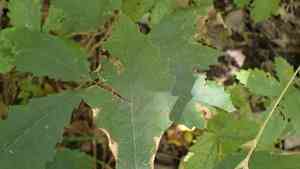
This leaf-shedding oak, recognized for its robust timber and appealing leaves, flourishes with appropriate attention. For chinquapin oak, yearly trimming ought to concentrate on eliminating lifeless, ailing, or intersecting limbs to preserve its form and well-being. The most suitable periods for pruning are from late winter to early spring, prior to the emergence of new shoots. Pruning while the tree is dormant reduces the outflow of sap and the dissemination of illnesses. Advantages encompass encouraging development, enhancing air movement, and possibly boosting acorn yield. Precision should be exercised to execute neat cuts and prevent excessive removal of branches.
What Are the Benefits of Pruning Chinquapin Oak?
What Are the Benefits of Pruning Chinquapin Oak?
Trimming chinquapin oak promotes robust development and helps keep its desired shape. It eliminates dead or diseased wood, fosters a strong framework, aids in light penetration and air movement, thereby lowering the risk of pests and illnesses.
What Is the Best Time for Pruning Chinquapin Oak?
What Is the Best Time for Pruning Chinquapin Oak?
Pruning chinquapin oak in late winter or early spring is optimal as the plant is still dormant, making it less vulnerable to stress and sickness. This timing also prevents the removal of new growth, which is vital for the plant's health and vitality. Furthermore, any pruning wounds will heal quicker as the warmer spring weather encourages faster recovery. Pruning before new spring growth begins ensures the plant's energy is directed towards healing pruning sites and producing new, healthy growth rather than sustaining parts that would be cut off. For chinquapin oak, this period also avoids disrupting its flowering or fruiting cycle, which occurs later in the year.
What Tools Do I Need to Prune Chinquapin Oak?
Hand Pruners
Perfect for cutting slender branches, small shoots, and leaves on chinquapin oak up to 3/4 inch in diameter. Opt for bypass pruners, which deliver a clean cut and encourage healthy regrowth.
Lopping Shears
Essential for making precise cuts on branches between 3/4 inch and 1 1/2 inches in diameter. The extended handles provide leverage and allow access to the chinquapin oak canopy without overreaching.
Pruning Saw
Ideal for cutting branches exceeding 1 1/2 inches in diameter that loppers cannot manage. A saw with a curved blade will facilitate cutting in the confined spaces within the chinquapin oak canopy.
Pole Pruner
Useful for trimming higher branches on chinquapin oak without needing a ladder, ensuring safety during pruning. Select a pole pruner with a bypass cutting head or saw attachment for larger limbs.
Hedge Shears
Suitable for shaping hedges if chinquapin oak is cultivated as a hedging plant. They enable quick, uniform trimming of small, soft growth on the plant's exterior.
How to Prune Chinquapin Oak
Step1: Inspect Tree Health and Structure
Examine the overall health and structure of chinquapin oak prior to pruning. Assess the tree's form and determine the necessity of removing dead wood, diseased limbs, and broken branches to ensure the tree's well-being and aesthetic shape.
Step2: Sterilize Pruning Tools
Sanitize your pruning tools with a solution of 1 part bleach to 9 parts water to prevent disease transmission. Allow the tools to air dry after sterilization.
Step3: Prune During Dormancy
Begin pruning in late winter to early spring when chinquapin oak is still dormant. This timing reduces the risk of disease infection and allows the tree to recover more effectively.
Step4: Remove Dead Wood
Identify dead wood by looking for branches that lack green, flexible growth and have a dry, brittle appearance. Prune these branches where they meet healthy wood, just above the branch collar, being careful not to damage it.
Step5: Prune Diseased Limbs
Locate diseased limbs, which may exhibit signs of discoloration, cankers, or unusual growths. Make cuts well below the affected areas, taking care to remove any limbs that show symptoms of disease.
Step6: Trim Broken Branches
Examine chinquapin oak for broken branches caused by weather or mechanical damage. Trim these branches cleanly just above the break point if a portion of the branch remains healthy or back to the main stem if necessary.
Step7: Angled Cuts for Water Runoff
Make each cut at a slight angle to prevent water from accumulating on the cut surface, which can lead to decay.
Step8: Avoid Topping and Over-Thinning
Avoid topping or excessive thinning of chinquapin oak, which can cause stress and lead to poor tree health. Instead, focus on removing only the necessary branches for the tree's well-being.
Step9: Final Visual Inspection
Conclude with a visual inspection to ensure that the natural shape of chinquapin oak has been maintained and that no additional pruning is necessary at this time.
Step10: Proper Disposal of Pruned Material
Dispose of all pruned material appropriately by burning if allowed, sending to a municipal green waste program, or composting if free of disease.
Step11: Clean and Dry Tools Post-Pruning
Clean and dry all pruning tools after use to keep them in good condition and prevent the spread of any potential diseases to other plants.
Post-Pruning Care for Chinquapin Oak
Post-Pruning Care for Chinquapin Oak
Immediately after pruning chinquapin oak, clean the cuts to prevent infection and promote healing. Maintain moderate humidity and indirect light to reduce stress; avoid extreme temperatures. Fertilize with a balanced, slow-release formula to aid recovery, but do not over-fertilize as chinquapin oak can be sensitive to excessive nutrients. Monitor chinquapin oak for wilting, discoloration, or unusual growth, indicative of stress or disease. Should signs appear, adjust care conditions and consult an arborist for appropriate treatments.
Common Pruning Mistakes with Chinquapin Oak
Avoid Cutting Near Trunk and Damaging Branch Collar
Cutting too close to the trunk, which can lead to damaging the branch collar and cause decay to spread into the trunk of chinquapin oak.
Prevent Over-pruning to Maintain Foliage and Photosynthesis
Excessive pruning which results in removing too much foliage, thereby stressing chinquapin oak and reducing its ability to photosynthesize effectively.
Use Clean, Sharp Tools for Healthy Cuts
Employing dull or dirty pruning tools, which can make jagged cuts that are more prone to infection and don't heal as readily on chinquapin oak.
Cut, Don't Tear, Branches for Bark Protection
Tearing branches instead of cutting them cleanly, which can cause significant harm to the bark and underlying tissue of chinquapin oak.
Remove Crossing Branches to Prevent Wounds
Failing to remove crossing or rubbing branches that can create wounds and entry points for disease on chinquapin oak.
Common Pruning Tips for Chinquapin Oak
Cut Slightly Above Buds at an Angle for Outward Growth
Make clean cuts at a slight angle about a quarter inch above an outward-facing bud or branch to encourage proper healing and outward growth for chinquapin oak.
Maintain Sharp, Clean Tools for Disease Prevention
Utilize sharp, clean pruning tools to make precise cuts and prevent the spread of disease to chinquapin oak.
Thin Inner Canopy for Airflow and Light Penetration
Thin out the dense inner canopy of chinquapin oak to improve air circulation and light penetration, which is essential for the overall health of the tree.
First Remove Dead or Damaged Branches for Tree Health
Identify and remove dead, diseased, or damaged branches first to maintain the health and structural integrity of chinquapin oak.
Prune Naturally to Preserve Tree Aesthetics and Health
Follow the natural form of chinquapin oak when pruning to maintain its aesthetic and avoid unnecessary stress to the tree.



