How to Prune Mongolian oak?
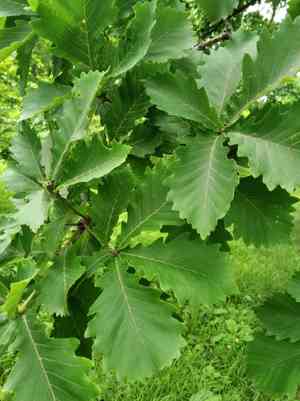
Mongolian oak, a deciduous tree featuring a wide crown, flourishes in moderate climates. Trimming should concentrate on eliminating deceased or ailing limbs, reducing crowded sections to enhance light access and air circulation, and shaping for structural soundness. The most effective time for pruning is in late winter or early spring, to stimulate robust development. Pruning mongolian oak improves its vitality and visual appeal, while averting potential harm from dead wood. Caution is advised to prevent the excessive removal of living tissue, which could cause stress to the tree.
What Are the Benefits of Pruning Mongolian Oak?
What Are the Benefits of Pruning Mongolian Oak?
Trimming mongolian oak boosts its vitality and maintains its structure by eliminating dead or crowded branches, fostering robust development and an attractive form. Regular trimming is vital for mongolian oak's well-being and appearance.
What Is the Best Time for Pruning Mongolian Oak?
What Is the Best Time for Pruning Mongolian Oak?
The optimal period for pruning mongolian oak is late winter to early spring, as the plant remains dormant but is preparing for new growth. This timing allows for shaping the tree and removing any dead or diseased wood without the risk of frost damage to fresh cuts. It also prevents disruption during flowering and fruiting, ensuring energy is directed towards healthy development. Pruning before the spring growth spurt ensures quick wound healing, minimizing infection risk and stress on mongolian oak.
What Tools Do I Need to Prune Mongolian Oak?
Bypass Pruners
For precise cuts on smaller mongolian oak branches, bypass pruners provide clean, healthy cuts without crushing plant tissues.
Loppers
These are perfect for reaching thicker branches that bypass pruners can't handle, ensuring clean cuts on branches up to 1.5-2 inches in diameter.
Pruning Saw
A pruning saw is essential for dealing with mature branches over 2 inches thick. It allows for clean cuts without harming the surrounding structure of mongolian oak.
Pole Pruner
For taller mongolian oak specimens, a pole pruner can safely trim higher branches without needing a ladder, reducing injury risk.
Hedge Shears
If shaping the outer foliage and creating a hedge with mongolian oak, hedge shears are effective for trimming and shaping large areas with less precision.
How to Prune Mongolian Oak
Cleaning
Identify and remove any dead branches from mongolian oak, using pruning shears for smaller limbs and a saw for larger ones. Make each cut just outside the branch collar to avoid damaging the parent stem.
Thinning
Locate diseased branches on mongolian oak, looking for signs of distress like discoloration, lesions, or unusual growth. With sterilized cutting tools, prune these branches at the point of healthy tissue, well below the affected area.
Disinfection
Disinfect all pruning tools before moving to another tree or a different part of mongolian oak to prevent the spread of pathogens. Use a solution of one part bleach to nine parts water or use alcohol wipes.
Common Pruning Mistakes with Mongolian Oak
Overpruning
Removing too much foliage from mongolian oak can stress the tree, potentially leading to weakened defenses against pests and diseases, as well as poor growth.
Flush Cutting
Making flush cuts against the trunk or remaining branches when removing limbs can damage the mongolian oak's natural protective barriers, increasing susceptibility to infections.
Neglecting Tool Hygiene
Using dirty pruning tools can introduce pathogens to the mongolian oak, potentially resulting in disease spread.
Tearing Bark
Incorrect cutting may cause the bark to tear, which can damage the mongolian oak's cambium layer and affect the tree's healing process.
Stub Cuts
Leaving branch stubs during pruning can result in decay as the mongolian oak is not able to properly heal from these improperly made cuts.
Improper Cut Location
Not cutting at the branch collar or making cuts too far from the bud can hinder the mongolian oak's ability to heal and promote strong regrowth.
Common Pruning Tips for Mongolian Oak
Correct Angling
Cut branches at a 45-degree angle, about 1/4 inch above an outward-facing bud, to encourage proper healing and growth direction in mongolian oak.
Clean Cuts
Make clean and sharp cuts to avoid unnecessary damage to the mongolian oak's tissues, which can be achieved by maintaining sharp and clean pruning tools.
Gradual Pruning
Prune mongolian oak gradually over several seasons if extensive shaping or size reduction is needed, rather than all at once, to avoid shock to the tree.
Branch Collar Preservation
When removing larger branches, always cut just outside the branch collar to promote efficient healing and prevent decay in mongolian oak.
Deadwood Removal
Regularly remove dead or diseased branches from mongolian oak to improve air circulation and sunlight penetration, which are essential for tree health.
Thinning Cuts
Perform thinning cuts to open up the canopy, reduce density, and allow for air and light penetration, which helps prevent disease and promotes the mongolian oak's vitality.



