How to Prune Dwarf live oak?
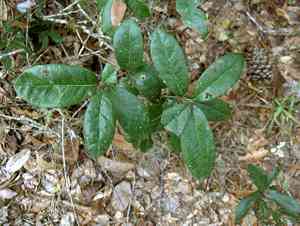
The dwarf live oak, recognized for its bushy structure and persistent foliage, needs very little trimming. Perform pruning during late winter or early spring, prior to the emergence of new shoots. Concentrate on eliminating any lifeless, ailing, or intersecting branches to ensure proper air movement and preserve its form. Refrain from extensive pruning, as this can cause strain to the plant. Strategic thinning encourages robust development and improves its visual attractiveness. These methods contribute to sustaining the dwarf live oak's inherent shape and durability.
What Are the Benefits of Pruning Dwarf Live Oak?
What Are the Benefits of Pruning Dwarf Live Oak?
Trimming dwarf live oak encourages robust development and maintains its form. Regular removal of old branches improves air circulation and light penetration, essential for the health and appearance of this compact oak.
What Is the Best Time for Pruning Dwarf Live Oak?
What Is the Best Time for Pruning Dwarf Live Oak?
Late winter and early spring are considered ideal for pruning dwarf live oak because these periods precede the plant's active growth phase, which typically begins in spring. Pruning during late winter, when the plant is still dormant, minimizes stress and allows for strong healing and growth as temperatures rise. Removing dead or unwanted branches at this time helps direct the plant's energy towards producing new, healthy growth in spring. Additionally, since dwarf live oak does not flower heavily, focusing on structural pruning before the growth spurt ensures the plant maintains a desirable shape and good health throughout the growing season.
What Tools Do I Need to Prune Dwarf Live Oak?
Hand Pruners
Perfect for cutting small branches of dwarf live oak, ensuring precise and clean cuts that encourage healthy growth. Hand pruners are suitable for the smaller, more delicate branches typically found on this species.
Loppers
Useful for reaching thicker branches that hand pruners cannot manage, which may be necessary given the varying thickness of dwarf live oak's branches as it matures.
Pruning Saw
Essential for the occasional thicker, woodier branches of dwarf live oak, especially if they are diseased or dead, ensuring these can be removed without harming the rest of the plant.
Gardening Gloves
Important for protecting hands from sharp branches and potential irritants while pruning dwarf live oak, providing safety and comfort.
How to Prune Dwarf Live Oak
Identify
Pinpoint the specific areas of dwarf live oak that need trimming. Carefully inspect the plant for any diseased leaves, withered leaves, dead branches, or diseased branches that are specified in the 'Trim_parts' input. Concentrate on these sections as they significantly impact the plantâs health and development.
Cleanup
Clear away any loose or lightly attached debris before making precise cuts. This initial tidying helps in assessing the plant more accurately, ensuring that only the necessary parts are removed, which is crucial for the small stature of dwarf live oak.
Cutting
Using sharp, clean pruning shears, begin cutting the identified parts. Make cuts at a 45-degree angle close to the main branch or trunk, avoiding damage to the collar (the thickened area at the base of branches) to protect dwarf live oak from disease and promote faster healing.
Disinfect
Sanitize your pruning tools after trimming each diseased or damaged part to prevent the spread of any pathogens. Dwarf live oak, with its limited growth size, is particularly susceptible to infestations that can quickly become widespread.
Inspect
Examine dwarf live oak after pruning for any signs of additional stress or untrimmed areas that may have been overlooked. Ensure the overall form of the plant remains balanced and aesthetically pleasing, taking care not to over-prune as dwarf live oak has a smaller canopy and limited growth.
Common Pruning Mistakes with Dwarf Live Oak
Overpruning
Removing too much foliage from dwarf live oak can significantly weaken the plant. A common error is to cut back more than one-third of the plant's total foliage during a pruning session, which can stress the plant and lead to poor growth or disease susceptibility.
Improper cut locations
Cuts made too far from the buds or branch intersections can result in unwanted stubs that may not heal properly. Leaving too large of a stub can also lead to diseases and pests attacking through the wounds.
Using dull tools
Dull pruning tools can damage the branches of dwarf live oak, leading to jagged cuts that poorly heal. These imprecise cuts can increase the risk of disease and pest infestations.
Common Pruning Tips for Dwarf Live Oak
Selective pruning
Focus on removing dead, diseased, or broken branches first. Thinning out these problematic areas promotes healthier growth and airflow, which are crucial for dwarf live oak's overall health and aesthetic.
Tool hygiene
Always use sharp, clean pruning tools when working on dwarf live oak. This ensures cleaner cuts that heal more quickly and reduce the chances of spreading diseases between plants.
Follow natural shape
Prune dwarf live oak by following its natural growth habits. Avoid over-shaping which can stress the plant. Maintaining the natural shape helps in promoting a more robust structure and healthier growth patterns.



