How to Prune Overcup oak?
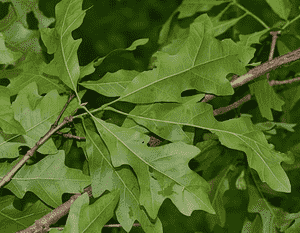
Renowned for its resilience in moist ground and gradual development, the overcup oak flourishes in riparian woodlands. Trim it by excising deceased, ailing, or fractured limbs to preserve its vitality and form. Perform structural pruning during its early years to sculpt and establish a robust scaffold. The most opportune periods for pruning are late winter or early spring, aligning with its inactive phase prior to the onset of vigorous growth. Pruning at this time alleviates strain, encourages robust spring development, and lessens the likelihood of pest and pathogen infestation.
What Are the Benefits of Pruning Overcup Oak?
What Are the Benefits of Pruning Overcup Oak?
Trimming overcup oak is crucial for sustaining its vitality and attractive form. Thoughtful branch removal fosters a sturdy framework and stimulates vigorous new growth, ensuring overcup oak remains both visually appealing and robust.
What Is the Best Time for Pruning Overcup Oak?
What Is the Best Time for Pruning Overcup Oak?
Pruning overcup oak in late winter or early spring is optimal since the tree is still inactive before its growth cycle begins, reducing stress and sap loss. Trimming during these periods ensures wounds heal quickly, the chance of disease transmission is low, and the tree has time to recover prior to its main growth phase. Avoid pruning overcup oak in late spring or summer, when it is actively growing and more susceptible to damage from pruning. Fall pruning is also not advised due to a high risk of fungal infections that can enter through fresh cuts.
What Tools Do I Need to Prune Overcup Oak?
Hand Pruners
Perfect for cutting branches up to 1 inch in diameter, hand pruners are essential for shaping overcup oak or removing small, unwanted branches. They enable precise cuts to help maintain the overall health and look of overcup oak.
Loppers
For branches between 1 and 2 inches thick, loppers offer the necessary leverage to make clean cuts without harming overcup oak. Their long handles facilitate reaching higher branches and applying the required force.
Pruning Saw
Overcup oak may develop thicker branches exceeding 2 inches in diameter, which are best removed with a pruning saw. This tool can manage larger cuts smoothly and efficiently without causing undue stress to the plant.
Pole Pruner
When dealing with mature overcup oak, some branches will be out of reach. A pole pruner provides an extendable handle, allowing the user to trim higher branches safely from the ground.
How to Prune Overcup Oak
Cleaning
Remove any dead wood, yellowed leaves, and withered branches from overcup oak to prevent decay and disease spread. Use sanitized pruning shears for clean cuts without damaging healthy tissue.
Thinning
Identify and cut back water sproutsâvigorous vertical shoots that deplete energy from overcup oak. Prune them at their base to redirect the tree's energy into its main structure and healthier growth.
Structural
Thin out the canopy of overcup oak by selectively removing branches that cross or rub against each other to improve air circulation and light penetration, aiding the overall health and vigor of the tree.
Shaping
Maintain the natural shape of overcup oak by only lightly pruning outer branches. Avoid heavy cutting to preserve the characteristic form and prevent stress on the tree.
Safety
Inspect overcup oak for any signs of weakness or damage in the branches that may pose a hazard. Prune back any potentially dangerous limbs, ensuring to make cuts outside of the branch collar to promote proper healing.
Common Pruning Mistakes with Overcup Oak
Over Pruning
Removing too much foliage from overcup oak, which can stress the tree and lead to poor growth or increased vulnerability to pests and disease.
Flush Cuts
Making flush cuts against the trunk when removing branches, which damages the branch collar and can hinder the tree's natural healing process.
Topping
Cutting the top off of overcup oak or making drastic reductions in height, which can lead to weak new growth and susceptibility to pests and diseases.
Pruning Healthy Limbs
Indiscriminately cutting healthy limbs without a clear reason, which can unnecessarily stress overcup oak and detract from its natural shape.
Improper Tool Use
Using dull or unclean pruning tools that can crush branches and stems, leading to ragged cuts that can invite disease and pests.
Ignoring Weak Branch Angles
Failing to remove branches with weak V-shaped angles, which are more prone to breaking and can pose a hazard.
Common Pruning Tips for Overcup Oak
Selective Pruning
Focus on removing only dead, diseased, or rubbing branches to maintain the health and structure of overcup oak without over-pruning.
Proper Cut Techniques
Make clean cuts at a 45-degree angle just above a bud or branch node; for larger branches, use the three-cut method to prevent bark tearing.
Pruning For Structure
Encourage a strong central leader and well-spaced major limbs, removing any competing leaders to promote good structure and airflow.
Use Of Clean Tools
Keep pruning tools sharp and clean to ensure precise cuts and minimize the risk of spreading disease to overcup oak.
Caring For Young Trees
Formative pruning when overcup oak is young to remove any structural defects early on, which can reduce the need for heavier pruning as the tree matures.
Monitoring Health
Regularly inspect overcup oak for signs of disease or pest infestations and prune as necessary to help control the spread and maintain overall tree vigor.



