How to Prune Turkey oak?
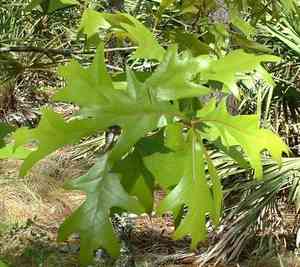
The turkey oak, a deciduous tree recognized by its spiky leaf divisions, thrives with regular trimming to preserve its vitality and framework. Perform pruning in late winter or early spring, prior to the emergence of fresh foliage. Essential methods involve excising dead or ailing limbs, reducing crowded sections to allow sunlight penetration into the crown, and shortening any branches that detract from the tree's overall shape. Trimming improves air movement and can diminish the probability of illness, guaranteeing a sturdy plant with an attractive silhouette.
Advantages of Trimming Turkey Oak
Advantages of Trimming Turkey Oak
Trimming turkey oak promotes more vigorous development and helps maintain its desired form, both visually and structurally, ensuring a strong and healthy tree.
Optimal Period for Trimming Turkey Oak
Optimal Period for Trimming Turkey Oak
The best times for trimming turkey oak are late winter and early spring due to several factors related to its growth cycle and well-being. Late winter trimming allows for the removal of any dead, damaged, or diseased wood before new growth begins in spring, enhancing the plant's overall health and vitality. Trimming during this dormant phase also minimizes sap loss, which can attract pests and pathogens. Early spring trimming, before new leaves fully emerge, ensures quick wound healing and directs growth to desired branches, thus fostering a robust structure. Additionally, since turkey oak is not a spring-flowering species, this timing avoids cutting off flower buds, ensuring the seasonal display is unaffected.
Necessary Tools for Trimming Turkey Oak
Hand Pruners
Essential for making clean cuts on small branches and twigs of turkey oak, hand pruners are ideal for shaping and removing dead or diseased wood. They can handle branches up to 3/4 inch in diameter.
Loppers
With their extended handles, loppers provide leverage to cut through branches up to 2 inches thick. They're suitable for cutting larger stems that hand pruners cannot easily manage, thus promoting healthy growth of turkey oak.
Pruning Saw
A pruning saw is necessary for removing larger branches more than 2 inches in diameter. Since turkey oak can have sizeable limbs, this tool ensures clean cuts without damaging the surrounding bark or causing unnecessary stress to the plant.
Pole Pruner
For high branches on turkey oak that are out of reach from the ground, a pole pruner will allow for safe trimming without the need for ladders. It is useful for maintaining a manageable tree size and removing dead wood.
Chainsaw
In cases where turkey oak has grown particularly large or when removing substantial limbs, a chainsaw may be required. It should only be used by experienced individuals or professionals due to the safety risks involved.
How to Trim Turkey Oak
Sterilization
Sanitize trimming tools using a solution of 1 part bleach to 9 parts water to prevent the spread of diseases during trimming of turkey oak.
Removal Diseased Withered Leaves
Carefully remove any diseased or withered leaves from turkey oak by cutting them at the base of the stem to avoid tearing or damaging healthy parts.
Removal Dead Branches
Identify and cut dead branches from turkey oak close to the trunk or main branch, making a clean cut just outside the branch collar without damaging it.
Removal Diseased Branches
Cut away any diseased branches from turkey oak by making cuts well into healthy wood to ensure all diseased material is removed.
Cleanup
Dispose of all removed material from turkey oak and clean up the surrounding area to minimize the likelihood of disease spread.
Common Trimming Errors with Turkey Oak
Excessive Trimming
Removing too much foliage at once can stress turkey oak, potentially leading to poor growth or increased susceptibility to pests and diseases.
Incorrect Cut Placement
Cutting too far from a bud or node, or leaving a stub, can result in unnecessary wounds and may invite pathogens.
Using Dull Tools
Dull trimming tools can cause ragged cuts that make turkey oak more vulnerable to diseases and pests.
Tearing Limb
Incorrectly removing limbs can lead to tearing of the bark, which damages the tree's vascular system.
Flush Cutting
Making flush cuts against the main branch or trunk can remove the branch collar, delaying wound closure and healing.
Neglecting Tool Hygiene
Failing to disinfect tools between cuts and plants can spread diseases to turkey oak and other trees.
General Trimming Advice for Turkey Oak
Selective Trimming
Focus on removing only dead, diseased, or damaged branches to maintain the health of turkey oak.
Clean Cuts
Make clean, angled cuts just above a bud or node to promote healing and direct new growth outward.
Tool Selection
Use sharp, clean, and appropriate-sized tools for the thickness of the branches being trimmed.
Protective Barrier
After trimming bigger wounds, apply a protective barrier or wound paint to prevent pathogens entry.
Consider Tree Structure
Strategically thin out dense areas to improve light penetration and air circulation, which benefits turkey oak's overall health.
Prioritize Safety
Safety first: use appropriate safety gear and consider professional help for trimming large or hard-to-reach branches.



