How to Prune Hungarian oak?
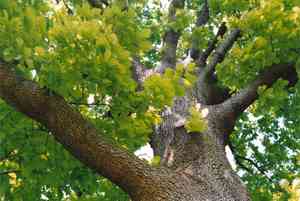
Quercus frainetto, recognized for its expansive, deeply incised foliage and imposing stature, thrives with trimming performed in late winter or early spring to preserve its form and boost vitality. Eliminating deceased or compromised limbs and reducing the density of the crown enhances light access and airflow, which are vital for its well-being and development. This practice also deters pathogens. Deliberate cuts ought to concentrate on sustaining a robust, primary trunk to uphold its erect growth pattern.
What Are the Benefits of Pruning Hungarian Oak?
What Are the Benefits of Pruning Hungarian Oak?
Trimming hungarian oak promotes robust development and maintains its form. By carefully removing parts of the tree, it fosters a healthier framework, boosts sun exposure and air movement, lowering disease risk and improving its aesthetic appeal.
What Is the Best Time for Pruning Hungarian Oak?
What Is the Best Time for Pruning Hungarian Oak?
Trimming hungarian oak in late winter or early spring is advisable to leverage its dormant phase before new growth starts. This timing allows for the detection of winter damage, offering clear guidance on what needs to be pruned for health and structural soundness. Furthermore, pruning prior to the emergence of new spring growth helps the tree to quickly mend pruning wounds, minimizing stress and decreasing vulnerability to infections or pests. This period also avoids removing new buds, which are vital for that season's foliage and potential acorn production, thus not negatively impacting hungarian oak's annual growth cycle.
What Tools Do I Need to Prune Hungarian Oak?
Hand Pruners
Perfect for making clean cuts on smaller branches of hungarian oak, typically those under 1 inch in diameter. Ensures vigorous regrowth.
Loppers
Suitable for cutting through thicker branches, up to 2 inches in diameter, offering more leverage than hand pruners.
Pruning Saw
Useful for larger branches exceeding 2 inches in diameter. A curved blade model can assist in making precise cuts, minimizing damage.
Pole Pruner
Allows access to higher branches without needing a ladder, ensuring safety while cutting branches up to 1.25 inches in diameter.
Chainsaw
Recommended for removing very large branches or for significant trimming tasks. It should be used with caution and potentially professional help.
How to Prune Hungarian Oak
Identification
Identify and evaluate dead or diseased branches on hungarian oak. Look for branches that appear dry, brittle, or show discoloration and signs of fungal infection or pest damage.
Preparation
Prepare the necessary tools for trimming hungarian oak. Sterilize your pruning shears or saws to prevent the spread of disease. Ensure tools are sharp to make clean cuts, which are vital for the health of hungarian oak.
Cutting
Trim the identified dead or diseased branches from hungarian oak. Make cuts at a slight angle, approximately a quarter-inch above a healthy bud or branching point to encourage proper healing and new growth.
Cleaning
Remove all cut branches from around the base of hungarian oak to prevent potential re-infestation or fungal growth. Proper disposal of diseased material is essential to maintain the health of hungarian oak.
Monitoring
Regularly observe hungarian oak after pruning for signs of stress or further disease. Check the healing of cuts and the development of new growth to ensure the vitality and structural stability of hungarian oak.
Common Pruning Mistakes with Hungarian Oak
Over-pruning
Removing excessive foliage from hungarian oak can impede its ability to photosynthesize, weakening the tree over time.
Improper cuts
Making cuts too close to the trunk can harm the collar, preventing proper healing and making hungarian oak susceptible to diseases and pest infestations.
Topping
Cutting off the top of hungarian oak to reduce its height disrupts natural growth patterns and can lead to weak new branches that are prone to breaking.
Neglecting tool maintenance
Using dull or dirty pruning tools on hungarian oak can lead to jagged cuts that are more vulnerable to infections and diseases.
Common Pruning Tips for Hungarian Oak
Selective thinning
Remove only the essential branches to enhance light penetration and air circulation within the canopy of hungarian oak, promoting healthier growth.
Following branch collar
When removing larger branches, always cut just outside the branch collar to encourage proper healing and reduce the risk of disease.
Sterilization of tools
Clean and sterilize your pruning tools before and after use to prevent the spread of disease between plants in your garden.
Judicious pruning
Assess the overall health and structure of hungarian oak before making cuts, focusing on removing only dead, diseased, or crossing branches to maintain the plant’s natural shape.



