How to Prune Southern red oak?
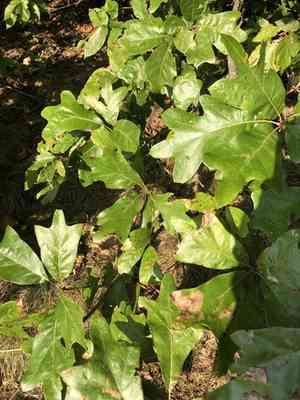
Celebrated for its robust development and indented leaves, Quercus falcata flourishes with judicious trimming to improve its inherent form and foster well-being. Conduct pruning in late winter or early spring, prior to the emergence of new shoots. Eliminate deceased, injured, or ailing branches, and reduce dense limbs to facilitate superior light infiltration and air movement. Trimming during its dormant phase lessens sap leakage and the dissemination of pathogens. Consistent pruning preserves its framework and vitality, simultaneously averting potential dangers from detached branches.
What Are the Benefits of Pruning Southern Red Oak?
What Are the Benefits of Pruning Southern Red Oak?
Trimming southern red oak encourages vigorous development by revitalizing the plant and fostering a robust structure. Pruning also maintains southern red oak's desired form, which enhances its visual appeal and ensures safety by eliminating potential hazards.
What Is the Best Time for Pruning Southern Red Oak?
What Is the Best Time for Pruning Southern Red Oak?
Late winter: Pruning southern red oak during late winter is optimal because the plant is inactive, which minimizes stress on the tree and reduces the chance of disease transmission through pruning wounds. The absence of leaves also allows for better visibility of the tree's structure, enabling more precise cuts. Early spring: Pruning southern red oak in early spring is also advantageous as it occurs before new growth begins. This timing allows the plant to recover quickly and direct its energy to the development of new branches, foliage, and, if applicable, flowers and fruits.
What Tools Do I Need to Prune Southern Red Oak?
Hand Pruners
Perfect for cutting small branches under 1-inch in diameter, ensuring clean cuts for healthy regrowth.
Loppers
Designed to handle branches between 1 and 2 inches; their long handles provide leverage and reach for thicker limbs.
Pruning Saw
Essential for branches over 2 inches thick; saws make precise cuts on larger limbs without harming southern red oak.
Pole Pruners
Useful for reaching higher limbs without a ladder, ensuring safety while pruning southern red oak.
Chainsaw
Used for removing very large branches or limbs; should only be operated by trained individuals who understand the risks and use proper safety gear.
Personal Protective Equipment
Includes gloves, safety glasses, and hard hats to protect against injury from falling debris during the pruning of southern red oak.
How to Prune Southern Red Oak
Clean Tools
Before beginning, sanitize your pruning tools with isopropyl alcohol or a 10% bleach solution to prevent disease spread. This is crucial for maintaining the health of southern red oak.
Inspect
Examine southern red oak for any dead wood, diseased limbs, and weak branches. Look for indicators such as discoloration, lesions, and structural weakness that may suggest these issues.
Cut Dead Wood
Using sharp pruning shears, saws, or loppers depending on thickness, carefully trim all dead wood. Make cuts on dead branches just outside the branch collar to promote proper healing.
Remove Diseased Limbs
Identify and selectively remove any diseased limbs from southern red oak by making cuts well into the healthy tissue to ensure all parts of the disease are eliminated. Dispose of these limbs properly to prevent disease spread.
Prune Weak Branches
Locate weak branches that may be crossing, rubbing, or growing at poor angles and prune them back. Focus on creating a strong tree structure and improving air circulation among the branches of southern red oak.
Common Pruning Mistakes with Southern Red Oak
Over-Pruning
Removing too much foliage can stress southern red oak, hindering its ability to photosynthesize and store energy. It is vital not to remove more than 25% of the crown in any growing season.
Improper Cut Location
Cutting too close to the trunk can damage the branch collar, leading to poor healing and potential infection. Conversely, leaving too large of a stub can also prevent proper healing.
Tearing Bark
Incorrect cutting technique may cause the bark to tear, which can expose southern red oak to disease and pests. A clean cut is essential for the tree's health.
Pruning During Active Growth
Southern red oak may be susceptible to increased stress and pest invasion if pruned while actively growing. Pruning at the wrong time can lead to unnecessary sap loss and weaken the tree.
Neglecting Tool Hygiene
Using dirty cutting tools can introduce diseases to southern red oak. Sanitizing tools between cuts, especially when moving between diseased and healthy branches, is vital.
Common Pruning Tips for Southern Red Oak
Correct Cut Location
Make cuts just beyond the branch collar for proper healing. The branch collar is a slightly swollen area where the branch joins the trunk or another branch.
Three-Cut Method
When removing larger limbs, use the three-cut method to avoid tearing the bark. The first cut is an undercut, the second relieves weight further out on the branch, and the final cut is made at the branch collar.
Selective Pruning
Focus on removing dead, diseased, or overlapping branches to improve air circulation and light penetration within southern red oak's canopy, which can reduce disease risk and promote robust health.
Tool Selection
Utilize the appropriate tools for the size of branches being pruned. Hand pruners are suitable for small branches, loppers for medium branches, and a pruning saw for larger limbs.
Gradual Pruning
For southern red oak with neglected or excessive growth, plan to prune over multiple seasons. This gradual approach allows the tree to recover between pruning sessions and maintains its energy reserves.



