How to Prune Chestnut-leaved oak?
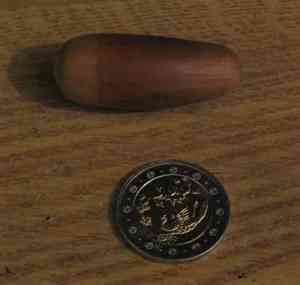
Originating in woodlands, the chestnut-leaved oak is recognized by its expansive, lustrous foliage. The most effective time for trimming is from late winter to early spring, prior to the emergence of fresh shoots. Essential methods include excising deceased or ailing wood, reducing dense branches to improve air movement and light exposure, and forming the crown for structural soundness. Trimming not only preserves the chestnut-leaved oak's well-being and aesthetic appeal but also fosters robust development and extends its longevity.
Advantages of Trimming Chestnut-leaved Oak
Advantages of Trimming Chestnut-leaved Oak
Trimming chestnut-leaved oak promotes robust development and maintains its form, thereby enhancing the tree's well-being and visual appeal. Strategic cutting manages size, fosters a sturdy framework, and can lower disease susceptibility.
Optimal Period for Pruning Chestnut-leaved Oak
Optimal Period for Pruning Chestnut-leaved Oak
Pruning chestnut-leaved oak in late winter is ideal as the plant is still dormant, which helps prevent stress and allows wounds to heal before the new growth season begins. Early spring is also suitable as the plant starts to emerge from dormancy and prior to its rapid growth phase. This timing aids in shaping the plant and removing any dead or damaged branches without significantly disrupting its growth cycle or health. Avoid pruning in the fall as it can stimulate new growth that may not harden off before winter, making the plant susceptible to cold damage. Additionally, pruning during the growing or flowering seasons should be minimized to ensure plant vigor and to avoid removing potential blooms or fruiting structures.
Tools Required for Pruning Chestnut-leaved Oak
Bypass Pruners
Perfect for making clean cuts on smaller branches (up to 3/4 inch thick) of chestnut-leaved oak, reducing bark damage and encouraging faster healing.
Loppers
Useful for reaching higher branches and cutting through thicker branches (up to 2 inches in diameter) that bypass pruners cannot manage, given chestnut-leaved oak's potential for large, spreading branches.
Pruning Saw
Essential for cutting branches over 2 inches in diameter for chestnut-leaved oak, ensuring clean cuts without harming the surrounding branch structure.
Pole Pruner
Effective for trimming out-of-reach branches on a mature chestnut-leaved oak, especially when ladder use is impractical or unsafe.
Secateurs
Similar to bypass pruners, these are used for detailed shaping and removing small, live shoots on chestnut-leaved oak, improving air circulation and light penetration.
Hedge Shears
Though not typically used for chestnut-leaved oak, they can be utilized for formal hedge shaping if chestnut-leaved oak is maintained as a hedge.
Chainsaw
Recommended only for professional use or for very thick, heavy limbs of chestnut-leaved oak, ensuring the task is completed quickly and efficiently, particularly during tree removal or extensive pruning operations.
How to Prune Chestnut-leaved Oak
Sanitize tools
Before beginning, sterilize all pruning tools to prevent disease transmission to chestnut-leaved oak. Use a solution of 1 part bleach to 9 parts water or rubbing alcohol to clean blades.
Identify
Inspect chestnut-leaved oak to locate dead or diseased branches. Dead branches are often brittle, discolored, and lack leaves or buds. Diseased branches may show signs of decay, unusual growth patterns, or discoloration.
Cut angle
Use sharp bypass pruners or a pruning saw, depending on branch thickness. Make cuts at a 45-degree angle, about 1/4 inch above a healthy bud or branch collar to promote proper healing and prevent water accumulation.
Remove dead
Carefully remove dead branches first. If they are large, use the three-cut method to prevent bark tearing: make an undercut away from the trunk, then a top cut to remove the branch, followed by a final cut at the branch collar.
Eliminate diseased
After removing dead wood, cut out diseased branches. Ensure cuts are clean and complete, as ragged edges can harbor pests or disease. After each cut, disinfect the pruning tools to avoid contaminating healthy parts of chestnut-leaved oak.
Common Pruning Errors with Chestnut-leaved Oak
Excessive pruning
Removing too much foliage at once can stress chestnut-leaved oak, leading to stunted growth and reduced vitality.
Incorrect cut placement
Making cuts too far from a bud or node can result in dead stubs, while cutting too close can damage the bud, hindering the healing process and new growth.
Bark tearing
Improper cutting technique may cause the bark to tear, which can expose chestnut-leaved oak to pests and diseases.
Removing too much old wood
Chestnut-leaved oak may rely on older growth for stability and vitality, and excessive removal of this can be detrimental to its health.
Neglecting tool hygiene
Using unsanitized pruning tools can spread diseases between plants, which might significantly impact the health of chestnut-leaved oak.
Ignoring diseased or damaged limbs
Failing to prioritize the removal of diseased, damaged, or dead wood can leave chestnut-leaved oak vulnerable to further harm.
General Pruning Advice for Chestnut-leaved Oak
Clean cuts
Ensure you use sharp, clean tools to create smooth cuts that heal quickly, minimizing stress and disease risk to chestnut-leaved oak.
Prune to a bud
Cut just above an outward-facing bud or node to direct new growth away from the center of chestnut-leaved oak, improving air circulation.
Maintain shape
Regularly prune chestnut-leaved oak to maintain its natural shape, promoting healthier, more balanced growth.
Remove selectively
Carefully select which branches to prune, focusing on removing crossing or rubbing limbs that can create wounds and entry points for pests and diseases.
Thin canopy
Thin out dense areas to allow light and air to penetrate chestnut-leaved oak, which can decrease disease risk and promote better overall health.
Support natural growth
Prune with the natural form of chestnut-leaved oak in mind, enhancing rather than altering its growth pattern to ensure a strong and stable structure.



