How to Prune Swamp white oak?
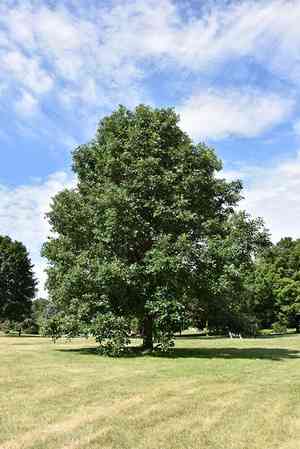
A sturdy deciduous tree featuring distinctive peeling bark and deeply incised foliage, swamp white oak flourishes in damp ground. Swamp white oak gains the most from judicious trimming to eliminate deceased or intersecting limbs, thereby improving air movement and overall form. Perform pruning in late winter or early spring prior to bud emergence to encourage vigorous development. Refrain from making extensive cuts; swamp white oak is hardy, yet excessive pruning can induce strain. Consistent trimming guarantees a robust crown and can avert damage from storms.
What Are the Benefits of Pruning Swamp White Oak?
What Are the Benefits of Pruning Swamp White Oak?
Trimming swamp white oak promotes robust development and maintains its form, leading to a strong and visually appealing specimen.
What Is the Best Time for Pruning Swamp White Oak?
What Is the Best Time for Pruning Swamp White Oak?
These periods are considered ideal for trimming swamp white oak because the plant remains inactive, reducing stress and the chance of disease. Pruning before spring growth allows for rapid healing and energy redirection to new growth, ensuring healthy development. Additionally, without leaves, the structure of swamp white oak is clearer, enabling more precise cuts and better shaping.
What Tools Do I Need to Prune Swamp White Oak?
Hand Pruners
Perfect for cutting smaller branches of swamp white oak, hand pruners create clean cuts without harming surrounding wood. They are ideal for snipping twigs and branches up to 1 inch in diameter.
Loppers
Suitable for thicker branches that hand pruners cannot manage. Loppers can cut through branches up to 2 inches in diameter, making them crucial for shaping the canopy of swamp white oak.
Pruning Saws
For branches exceeding 2 inches, a pruning saw is essential. The saw allows for accurate cuts on swamp white oak, ensuring clean removal of limbs without tearing the bark.
Pole Pruners
These are useful for reaching higher branches on mature swamp white oak trees. The extended reach of pole pruners helps maintain the tree without ladders, enhancing gardener safety.
Pruning Shears
These are beneficial for shaping young swamp white oak to develop a strong structure. Regular trimming with shears can guide growth and improve the tree's overall health.
Chainsaw
For significantly mature and large swamp white oak trees, a chainsaw might be needed for removing very large limbs. However, this tool should be used by professionals due to safety concerns and potential tree damage if misused.
How to Prune Swamp White Oak
Step1: Inspect Plant for Pruning
Examine swamp white oak thoroughly before pruning to identify dead wood, diseased branches, and broken limbs. Perform this step during the dormant season, which is late winter or early spring.
Step2: Sterilize Pruning Tools
Sanitize all pruning tools with isopropyl alcohol or a household disinfectant to prevent the spread of disease.
Step3: Remove Dead Wood
Start by removing dead wood, cutting at its origin or back to a live lateral branch that is at least one-third the diameter of the limb being removed. Make clean cuts without leaving stubs.
Step4: Cut Away Diseased Branches
Identify and remove diseased branches by cutting at least 6-8 inches into healthy wood beyond the visible infection. Ensure cuts are clean and avoid tearing the bark.
Step5: Prune Broken Limbs
Trim broken limbs cleanly above the break point. If a larger limb is broken, use the three-cut method to prevent bark tearing: make an undercut a few inches from the trunk, then an overcut further out to remove weight, and finally cut just above the branch collar at the trunk.
Step6: Shape Tree and Thin Canopy
After removing major dead, diseased, or broken limbs, step back to assess the tree's shape. Thin out branches as needed to improve light penetration and air circulation, being careful not to remove more than 25% of the canopy in one season.
Step7: Make Proper Pruning Cuts
Use correct pruning cuts by always cutting just outside the branch collar, but not flush with the trunk. The branch collar contains tissues that aid in the healing process.
Step8: Dispose of Removed Material
Dispose of all removed material either by burning, if appropriate and legal in your area, or by bagging and removing it from the site to prevent the spread of any potential diseases.
Step9: Avoid Tree Topping
Refrain from topping swamp white oak or making any large cuts that could harm its structure and health. Large cuts should only be made by professional arborists.
Step10: Monitor Plant Health Post-Pruning
Monitor swamp white oak after pruning for signs of disease or infestation and apply appropriate treatments if necessary.
Step11: Water Plant After Pruning
Water swamp white oak deeply after pruning to reduce stress and support recovery, especially if the weather is dry.
Step12: Mulch to Maintain Soil Conditions
Apply a layer of mulch around the base of swamp white oak to help maintain soil moisture and regulate temperature, keeping the mulch a few inches away from the trunk to prevent decay.
Post-Pruning Care for Swamp White Oak
Post-Pruning Care for Swamp White Oak
After trimming swamp white oak, immediately water the plant to minimize transplant shock. Ensure swamp white oak is located in an area with sufficient light and protected from extreme temperatures. Maintain ambient humidity to encourage recovery. Post-pruning, apply a balanced fertilizer to support new growth, avoiding over-fertilization. Regularly inspect swamp white oak for signs of disease or pests, such as wilting or discolored leaves and treat promptly with appropriate horticultural methods.
Common Pruning Mistakes with Swamp White Oak
Dull Tools Cause Harmful Cuts
Using dull, unclean pruning tools, which can result in jagged cuts that harm swamp white oak and invite disease.
Over-Pruning Stresses the Plant
Trimming too much at once, removing over 25% of the canopy in a single season, which can stress swamp white oak.
Neglecting Central Leader Weakens Structure
Failing to remove competing leaders to establish a strong central leader, which is vital for the structural integrity of swamp white oak.
Improper Large Branch Removal Damages Bark
Tearing or stripping the bark when removing large branches instead of making proper undercuts to prevent damage to swamp white oak.
Incorrect Limb Cutting Impedes Healing
Cutting too close or too far from the trunk when removing limbs, which can either harm the trunk or leave a stub that hinders proper healing.
Common Pruning Tips for Swamp White Oak
Remove Dead or Diseased Branches First
Prioritize the removal of dead, diseased, or broken branches to maintain swamp white oak's health and vitality.
Make Cuts at the Branch Collar
Execute cuts at the branch collar, the swollen area of trunk tissue that forms around the base of a branch, to promote efficient healing.
Prune According to Natural Plant Form
Consider the natural form of swamp white oak and prune accordingly to maintain its shape and structural balance.
Thin Canopy Gradually for Plant Vigor
Thinning the canopy to allow light and air to penetrate can help improve the overall vigor of swamp white oak, but should be done incrementally.
Structural Pruning During Dormancy for Young Plants
For young swamp white oak, focus on structural pruning during the dormant season to guide its growth, ensuring strong architecture for future years.



