How to Prune White oak?
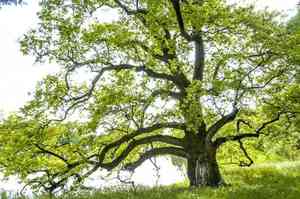
This durable tree, recognized for its extended lifespan and decay-resistant wood, thrives with structural trimming. For white oak, eliminate deceased or ailing limbs, and reduce the density of the crown to facilitate light entry and air movement. The ideal time for pruning is in late winter or early spring prior to foliage emergence. Refrain from over-cutting, as this can induce strain and attract harmful organisms. Pruning improves vitality, framework, and visual appeal, thereby bolstering the tree's strength and endurance.
What Are the Benefits of Pruning White Oak?
What Are the Benefits of Pruning White Oak?
Trimming white oak promotes vigorous development and preserves its form. It aids in eliminating dead or diseased limbs, fosters a robust framework, ensures sufficient light and air circulation, and sustains the tree's overall vitality and aesthetic appeal.
What Is the Best Time for Pruning White Oak?
What Is the Best Time for Pruning White Oak?
The period from late winter to early spring is optimal for trimming white oak, as the tree remains dormant, thereby minimizing stress and disease risk from pruning. Pruning before the spring growth surge allows wounds to mend rapidly as new growth commences. This timing ensures the plant's stored energy is efficiently used for healing rather than supporting foliage, which is not abundant during these seasons. Furthermore, the absence of leaves at this time makes white oak's structure more visible, enabling more accurate and effective pruning. Avoiding the active growth phase also helps maintain white oak's strength and health, as extensive pruning during active growth can deplete the plant's energy reserves and potentially lead to reduced vigor and increased susceptibility to pests or diseases.
What Tools Do I Need to Prune White Oak?
Hand Pruners
For small branches and precise cuts on white oak, hand pruners, also known as secateurs, are perfect. They enable clean cuts without harming the tree's remaining structure.
Loppers
When dealing with medium-sized branches, loppers offer the necessary leverage for making clean cuts in thicker wood without excessive force, which is vital for white oak's health.
Pruning Saws
For larger white oak branches too thick for hand pruners and loppers, a sharp pruning saw is essential. It allows for efficient cutting without damaging other parts of the tree.
Pole Pruners
Tall white oak branches can be safely trimmed from the ground using pole pruners, which extend to reach higher limbs without needing a ladder.
Chainsaws
For very thick branches or significant limb removal on mature white oak, a chainsaw might be needed. Use with caution and consider hiring a professional, especially for high or large-scale tasks.
Personal Protective Equipment (PPE)
When trimming white oak, it is crucial to wear gloves, safety glasses, and a hard hat to protect against falling branches and debris.
Wound Dressing
After pruning large white oak branches, applying wound dressing can safeguard the exposed wood from pests and diseases, though this practice is sometimes debated among experts.
How to Prune White Oak
Step1: Timing Pruning Season
Determine the best time for trimming white oak, typically from late winter to early spring before sap flow begins and new growth emerges.
Step2: Inspecting for Dead Wood
Examine white oak for dead wood, which will lack leaves, be brittle, and often discolored. Use clean, sharp pruning tools for cuts.
Step3: Cutting Back Dead Branches
Remove dead wood back to where it meets healthy tissue. Make the cut just outside the branch collar, the swollen area of trunk tissue at the branch base, to encourage proper healing.
Step4: Identifying Diseased Limbs
Check white oak for diseased branches, indicated by unusual growth, discoloration, or fungi. Prune these branches well below the affected area to prevent disease spread.
Step5: Sanitizing Pruning Tools
Disinfect your pruning tools with a solution of 1 part bleach to 9 parts water or rubbing alcohol after cutting diseased branches to avoid contaminating healthy parts of white oak.
Step6: Pruning Damaged Limbs
Inspect white oak for damaged limbs, which may be cracked, split, or broken. Prune damaged limbs back to the nearest healthy lateral branch, bud, or main trunk.
Step7: Angled Cutting Technique
Make all cuts at a 45-degree angle to prevent water accumulation and promote healing. The lowest point of the cut should be opposite the bud or branching point, with the highest point of the angle positioned just above this point.
Step8: Shaping and Thinning
After removing dead, diseased, and damaged limbs, assess white oak's overall shape. Remove any branches that cross or rub against each other to maintain good air circulation and structure.
Step9: Cleanup of Debris
Clear all pruning debris from around white oak to prevent pest or disease spread and maintain a neat appearance.
Step10: Post-Pruning Monitoring
Monitor white oak after pruning for signs of stress or further disease. Provide adequate water and care to support the healing process.
Post-Pruning Care for White Oak
Post-Pruning Care for White Oak
Immediately after trimming white oak, clean cuts should be allowed to heal naturally without applying wound dressings. Ensure white oak receives sufficient water, but avoid overwatering to prevent root rot. Position white oak to get full sun exposure while maintaining stable humidity and temperature levels that mimic its natural environment. Apply a balanced, slow-release fertilizer to aid in recovery, but not directly after pruning to prevent stressing the tree. Regularly inspect cut areas for signs of disease or pest infestation, taking action with appropriate treatments if necessary.
Common Pruning Mistakes with White Oak
Excessive Canopy Removal
Over-pruning is a frequent error, where too much of white oak's canopy is removed at once. This can stress the tree and increase its susceptibility to pests and diseases.
Improper Branch Cutting
Cutting into white oak's branch collar or leaving a stub when removing branches can impede the tree's natural healing process and lead to decay.
Pruning in Growth or Stress Periods
Pruning during periods of active growth or when the tree is stressed, such as during drought, can further strain white oak and should be avoided.
Common Pruning Tips for White Oak
Clean, Precise Cuts with Sharp Tools
Use sharp, clean tools to make precise cuts, which helps white oak heal more effectively and reduces the risk of disease transmission.
Remove Unhealthy Branches First
Focus on removing dead, diseased, or damaged branches to maintain white oak's health and structure, cutting back to a healthy lateral branch or bud.
Angle Cuts Above Outward-Facing Buds
When shortening branches, make cuts at a slight angle above an outward-facing bud to encourage white oak to grow in a desirable direction and improve air circulation.
Selective Thinning for Light and Air
Thin out white oak's crowded branches selectively to enhance light penetration and air movement through the canopy without significantly reducing its overall size.
Respecting Natural Growth
Follow a pruning plan that respects white oak's natural growth habit, promoting a strong, well-balanced structure rather than attempting to force an unnatural shape or size.



