How to Prune Coast live oak?
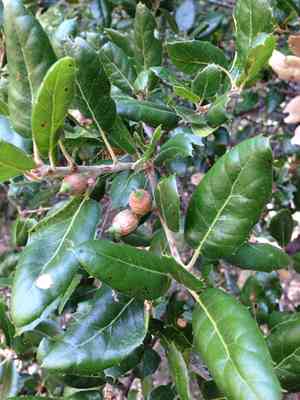
The coast live oak, a robust evergreen recognized for its hardiness and distinctive appearance in seaside environments, thrives with judicious trimming to preserve its form and well-being. Essential pruning methods involve reducing dense branches, eliminating deceased or ailing wood, and sculpting for visual appeal. The optimal period for pruning is during its winter resting phase to lessen sap leakage and lower the risk of disease spread. Strategic trimming improves light exposure and air movement, which are vital for sustained vigor. Always sanitize implements to avert the transmission of harmful microorganisms to the coast live oak.
What Are the Benefits of Pruning Coast Live Oak?
What Are the Benefits of Pruning Coast Live Oak?
Trimming coast live oak is essential for sustaining its robust development and desired form. Thoughtful branch removal can stimulate new growth, enhance light penetration and air circulation, lower disease susceptibility, and maintain the tree's structural soundness.
What Is the Best Time for Pruning Coast Live Oak?
What Is the Best Time for Pruning Coast Live Oak?
The ideal period for pruning coast live oak is during winter, as this is when the tree is inactive. Pruning during dormancy prevents excessive sap loss, which can attract pests and diseases. Winter pruning also minimizes stress on coast live oak since it is not actively growing, allowing the tree to heal wounds during the spring growth period, promoting quicker recovery. Furthermore, the absence of leaves during this season offers better visibility of the tree's structure, simplifying precise cuts and proper shaping. Trimming coast live oak at this time ensures the tree will have the vigor to produce strong new growth once the growing season commences.
What Tools Do I Need to Prune Coast Live Oak?
Hand Pruners
Perfect for cutting small branches and twigs on coast live oak, ensuring clean cuts that encourage healthy regrowth.
Loppers
Equipped with long handles and robust blades for tackling thicker branches of coast live oak up to 2 inches in diameter, providing leverage and reach.
Pruning Saw
Designed for larger limbs over 2 inches in diameter; a necessary tool for coast live oak due to its thick, mature branches.
Pole Pruner
Allows the gardener to reach higher limbs of coast live oak without the use of a ladder, increasing safety and accessibility.
Chainsaw
Useful for the largest limbs and removal of dead wood, but should be operated with caution to avoid damage to coast live oak.
Personal Protective Equipment
Includes safety glasses, gloves, and sturdy clothing to protect the gardener when pruning coast live oak.
How to Prune Coast Live Oak
Clean Tools
Before pruning coast live oak, ensure all pruning tools are cleaned and sterilized to prevent the spread of disease. Use a solution of one part bleach to nine parts water to sterilize tools between cuts, particularly when removing diseased limbs.
Remove Dead Wood
Carefully remove any dead wood from coast live oak, using clean, sharp tools. Make cuts just outside the branch collar, the area where the branch meets the trunk or parent limb, to encourage proper healing and to avoid damaging healthy tissue.
Excise Diseased Limbs
Identify and excise diseased limbs from coast live oak, cutting well into healthy wood beyond the infection. Ensure to clean tools after each cut to prevent spreading pathogens. Dispose of diseased material properly, away from healthy trees.
Repair Broken Branches
Prune broken branches on coast live oak back to the nearest healthy lateral branch or bud, following the natural form of the tree. Avoid leaving stubs as they can be entry points for pests and disease.
Inspect Cuts
After pruning, inspect cuts on coast live oak for cleanliness and precision. Clean up any jagged edges that could interfere with healing. Monitor the pruned areas over the following season for signs of decay or disease.
Common Pruning Mistakes with Coast Live Oak
Over Pruning
Removing too much foliage can stress coast live oak, causing it to be more vulnerable to pests and diseases.
Pruning Wound Size
Making large cuts can lead to extensive wounds that coast live oak might struggle to heal, increasing the risk of infection.
Improper Cut Location
Cutting too close to the trunk can damage the branch collar, hindering the healing process, while leaving too long of a stub can lead to decay.
Using Dull Tools
Dull pruning tools can cause jagged cuts that are difficult for coast live oak to heal, inviting disease and pests.
Unnecessary Cleanup
Overzealous removal of deadwood may not be beneficial; coast live oak naturally sheds small, dead branches.
Common Pruning Tips for Coast Live Oak
Clean Cuts
Use sharp, clean tools to make precise cuts, which will help coast live oak heal faster and reduce the risk of infection.
Correct Angle
Make cuts at an angle that mirrors the branch collar's shape without cutting into it. This allows for proper wound closure for coast live oak.
Staged Pruning
For significant size reduction, it should be performed over several years to minimize stress on coast live oak.
Dead And Diseased
Remove dead, diseased, or broken branches first, which benefits the health and aesthetics of coast live oak.
Maintain Structure
Prune to maintain the natural shape of coast live oak, promoting a strong structure and reducing the risk of limb failure.



