How to Prune Asian pear?
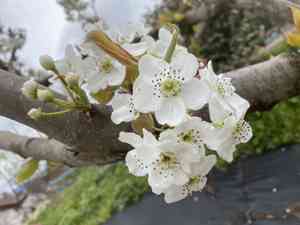
Featuring substantial spherical fruits and lustrous green leaves, asian pear necessitates meticulous trimming to sustain its vitality and output. Key methods involve reducing congested branches to improve air movement and light exposure. Eliminate any lifeless or ailing branches, and snip the ends of recent shoots to stimulate branching. The most suitable period for pruning is late winter, prior to the onset of spring development. Pruning asian pear enhances harvest quantity and fruit dimensions, simultaneously deterring pests and illnesses by eliminating prospective breeding grounds.
What Are the Benefits of Pruning Asian Pear?
What Are the Benefits of Pruning Asian Pear?
Pruning greatly benefits asian pear; it encourages more fruit, promotes robust growth, and maintains a manageable form. Strategic cuts improve light and air circulation, vital for disease prevention and healthy development.
What Is the Best Time for Pruning Asian Pear?
What Is the Best Time for Pruning Asian Pear?
The optimal time to prune asian pear is in late winter while it's still dormant, which minimizes stress and the chance of infection. This timing also allows for the removal of damaged or diseased wood before new growth, fostering healthier development. Furthermore, pruning before spring growth directs the plant's energy toward strong new shoots and better fruit quality. It also provides a clear view of the plant's structure, simplifying branch selection and removal. Late winter pruning helps asian pear recover quickly, ensuring a vigorous flowering and fruiting season.
What Tools Do I Need to Prune Asian Pear?
Hand Pruners
Perfect for trimming slender branches and shaping asian pear, enabling precise cuts without harming the plant.
Lopping Shears
Useful for cutting thicker branches that hand pruners can't easily handle, ensuring clean cuts for healthy growth.
Pruning Saw
When asian pear has more mature and thicker branches, a saw allows for cutting without splitting the wood.
Pole Pruners
For reaching higher branches without using a ladder, thereby maintaining the shape and health of the asian pear from the ground.
Hedge Shears
Helpful for trimming and shaping the outermost layers of asian pear if a formal hedge appearance is desired.
How to Prune Asian Pear
Cleanup
Locate and remove all dead branches from asian pear. Make a clean cut at the branch's base to prevent damage to the main trunk.
Disease Control
Carefully inspect asian pear for disease symptoms. Prune diseased branches well below affected areas to stop spread. Disinfect your pruning tools before and after this step.
Thinning
Thin out crowded branches to allow better air circulation and light penetration throughout the canopy of asian pear. Selectively remove overlapping branches that are inhibiting the growth of others.
Water Sprouts
Remove water sprouts, which are the vertical shoots growing on the branches or trunk of asian pear, as these can divert energy from productive fruiting branches.
Maintenance Pruning
Perform maintenance pruning by trimming away any small, weak branches that don't contribute to the overall structure or fruiting potential of asian pear. Aim to maintain a balanced and open framework.
Common Pruning Mistakes with Asian Pear
Overpruning
Removing too much foliage from asian pear can stress the plant, potentially leading to a reduced yield or even plant death.
Underpruning
Insufficient pruning can result in a dense canopy that inhibits sunlight and air circulation, making asian pear more susceptible to pests and diseases.
Improper Cuts
Incorrect cutting techniques can damage asian pear's branches, which may introduce pathogens and hinder the healing process.
Neglecting Structure
Failure to consider the natural growth pattern of asian pear during pruning can result in an unbalanced, weak structure, and poor fruiting.
Disregarding Health
Not removing diseased, dead, or damaged wood can spread problems throughout asian pear, affecting overall plant health.
Ignoring Thinning
Overlooking the importance of thinning the fruit can lead to overcrowding, which may cause smaller or lower quality fruit.
Tool Neglect
Using dull or dirty tools can cause jagged cuts that are more prone to disease, thereby negatively impacting asian pear's health.
Common Pruning Tips for Asian Pear
Clean Cuts
Ensure cuts on asian pear are clean and made at a 45-degree angle away from the bud to promote proper healing and reduce disease risk.
Selective Thinning
Thin out asian pear's canopy by removing select branches to improve light penetration and air flow, which is crucial for fruit development.
Promote Strong Structure
Focus on creating a well-spaced, balanced structure by pruning to outward-facing buds and removing competing branches on asian pear.
Renewal Pruning
Remove older branches from asian pear periodically to stimulate new growth and maintain a manageable tree size for easier harvesting.
Disease Management
Regularly inspect asian pear for diseased, dead, or damaged branches and prune them away to prevent the spread of pathogens.
Fruit Thinning
Thin fruits early in the season to prevent overburdening asian pear's branches and to increase the size and quality of the remaining fruit.
Tool Care
Keep pruning tools sharp and sanitized to make precise cuts on asian pear and minimize the risk of spreading diseases.



