How to Prune Snow pear?
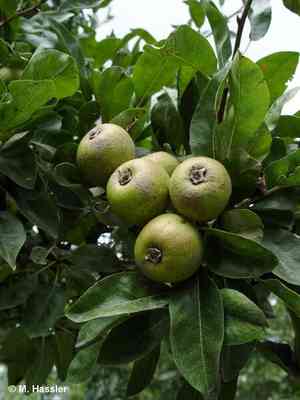
Distinguished by its decorative silver-green leaves, snow pear greatly benefits from trimming to preserve its form and encourage vigorous development. The best periods for pruning are late winter or early spring, prior to the emergence of new shoots. Essential methods involve reducing dense branches and eliminating impaired or infected wood. This action not only improves air movement and light exposure but also deters pests and illnesses, guaranteeing a sturdy plant. Consistent, precise pruning ensures both the visual attractiveness and the health of snow pear.
What Are the Benefits of Pruning Snow Pear?
What Are the Benefits of Pruning Snow Pear?
Trimming snow pear encourages robust development and maintains its form, crucial for healthy growth and visual appeal. Regular cutting manages size, enhances sun exposure, and improves air flow, lowering disease risk.
What Is the Best Time for Pruning Snow Pear?
What Is the Best Time for Pruning Snow Pear?
Pruning snow pear in late winter or early spring is optimal as it coincides with the plant's dormant phase, minimizing stress and sap loss. This timing allows for the removal of dead or damaged branches before new growth starts, fostering healthier development and better plant structure. Additionally, pruning prior to spring growth helps prevent disease spread, which is more likely to infect open wounds during warmer, wetter periods. This timing also ensures that the flowering and fruiting potential is not negatively impacted, as snow pear sets buds in the summer for the subsequent spring.
What Tools Do I Need to Prune Snow Pear?
Hand Pruners
Perfect for making clean cuts on smaller snow pear branches, typically under 3/4 inch in diameter. Ensures precision and minimizes plant damage.
Lopping Shears
Suitable for cutting through thicker snow pear branches, up to about 1.5 inches in diameter. These offer leverage and are essential for managing larger limbs without strain.
Pruning Saw
Required for removing branches exceeding 1.5 inches in diameter. A pruning saw helps manage the thicker and potentially higher snow pear branches with ease and safety.
Hedge Shears
Useful for shaping and maintaining the denser snow pear foliage, allowing for uniform and aesthetically pleasing growth patterns.
How to Prune Snow Pear
Clean tools
Before pruning snow pear, ensure all pruning tools are clean and sharp. Use a solution of one part bleach to nine parts water or alcohol wipes to sanitize shears and saws to prevent disease transmission.
Identify
Identify dead and diseased branches on snow pear. Begin by looking for branches showing signs of decay or damage, having dry or brittle bark, or lacking any healthy green leaves or buds.
Cut diseased
Cut back all diseased branches on snow pear. Use sharp shears or a saw for larger branches, making cuts at least a few inches into healthy wood past the visible decay to ensure all diseased material is removed.
Cut dead
Remove dead branches from snow pear. Make cuts where the dead branch meets a healthy branch or at the collar right at the branch's base, using a clean, angled cut to promote healing.
Dispose
Properly dispose of all removed material. Avoid composting any diseased wood to prevent pathogen spread. Seal them in a bag and discard in the trash or burn if permitted in your area.
Common Pruning Mistakes with Snow Pear
Over-pruning
A frequent error is removing too much snow pear foliage, which can stress the plant and reduce its vigor and bloom potential. It's important not to remove more than about one-third of the tree's total canopy in a single season.
Improper cuts
Making cuts too close to the trunk or leaving too large a stub can create entry points for pests and diseases. It's crucial to cut just above a bud, ensuring the cut is angled away from it to encourage proper healing and growth direction.
Neglecting sanitation
Failing to clean and sterilize pruning tools between uses can spread diseases among plants. This step is vital for maintaining snow pear health.
Pruning for shape over health
Excessive focus on shaping snow pear rather than addressing the tree's health and structural stability leads to poor growth habits and may compromise the plant's overall well-being.
Common Pruning Tips for Snow Pear
Selective thinning
Removing specific branches to improve light penetration and air circulation within the snow pear canopy helps promote healthier growth and reduces disease risk.
Focus on dead or diseased wood
Regularly remove dead, dying, or diseased branches to help maintain snow pear's health and appearance. This also helps prevent the spread of potential pathogens.
Maintain tree architecture
Encourage a good branch structure by pruning to maintain strong, well-spaced branches. This improves the tree's resilience and fruit production over time.
Correct timing for young trees
For snow pear that are still young and in formative stages, light pruning to shape the tree and establish a strong central leader can be beneficial. Focus on guiding the tree for future growth rather than heavy removal.



