How to Prune Heart-shaped pear?
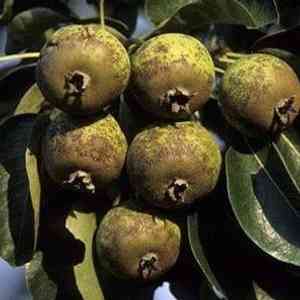
The heart-shaped pear, recognized by its cordate foliage and diminutive, spherical fruits, thrives with trimming performed in late winter or early spring. Concentrate on excising deceased or ailing limbs, reducing dense sections to enhance airflow, and sculpting the tree to preserve its form. Consistent trimming fosters more robust development and superior fruit yield. Verify that all cuts are precise to avert illness and boost the plant's general vitality.
What Are the Benefits of Pruning Heart-shaped Pear?
What Are the Benefits of Pruning Heart-shaped Pear?
Trimming heart-shaped pear encourages robust development and maintains its desired form. Regular cutting helps direct energy to stronger branches, improving overall vigor and visual appeal.
What Is the Best Time for Pruning Heart-shaped Pear?
What Is the Best Time for Pruning Heart-shaped Pear?
Pruning heart-shaped pear in late winter or early spring is ideal as it prepares the plant for vigorous new growth during the spring. This timing minimizes stress on heart-shaped pear, allowing it to heal from pruning cuts before entering the active growing season. It also avoids removing the current season's flower buds which are set in summer, ensuring that the flowering and subsequent fruit production are not adversely affected. Additionally, during this period, the plant is still dormant, reducing the risk of pest attacks and infections on fresh pruning wounds.
What Tools Do I Need to Prune Heart-shaped Pear?
Bypass Pruners
Perfect for creating neat and precise cuts on the thinner, living branches of heart-shaped pear, which can foster healthy growth and prevent harm to the delicate tissues.
Loppers
These are utilized for slightly thicker branches that bypass pruners cannot manage. They offer greater leverage and can cut through branches up to 2 inches thick, suitable for the medium-sized branches of heart-shaped pear.
Pruning Saw
Essential for the thickest branches of heart-shaped pear. A pruning saw assists in managing branches over 2 inches thick, which are common as heart-shaped pear matures, ensuring cuts are smooth and clean to prevent disease entry.
Pruning Shears
Helpful for shaping and refining the growth of heart-shaped pear, especially for preserving the tree’s aesthetics and promoting a healthy growth pattern.
How to Prune Heart-shaped Pear
Identify
Inspect heart-shaped pear for any lifeless or diseased branches. Carefully examine the canopy to differentiate between healthy green branches and those that are brown or show signs of decay or infection.
Disinfect
Before commencing pruning, sanitize your pruning tools to prevent the spread of disease. Use a solution of 1 part bleach to 9 parts water to sterilize shears and saws.
Remove dead
Using sharpened and disinfected pruning shears or a saw, carefully remove all dead branches from heart-shaped pear. Make clean cuts at the base of the dead branches, avoiding any tears to the bark which could lead to further damage or disease.
Remove diseased
Similarly, remove any branches that exhibit clear indications of disease. These might display abnormal growth patterns, discolorations, or unusual deposits. Cut back to healthy wood, ideally at a junction where a healthy branch meets the diseased one.
Clean up
After pruning, clear the ground around heart-shaped pear to remove all traces of pruned material. Dispose of it properly to prevent any disease from spreading in the garden. Disinfect your tools once again after completion.
Common Pruning Mistakes with Heart-shaped Pear
Over-pruning
Removing an excessive amount of foliage from heart-shaped pear can significantly stress the plant, impeding its growth and reducing its fruit production.
Improper cuts
Making cuts too close to the bud or leaving too large of a stub can expose heart-shaped pear to diseases and pests, potentially damaging the plant's health.
Incorrect tool use
Utilizing dull or unclean pruning tools can cause ragged cuts that heal poorly, making heart-shaped pear susceptible to infections.
Common Pruning Tips for Heart-shaped Pear
Pruning to shape
Focus on maintaining the natural, heart-shaped growth pattern of heart-shaped pear by selectively removing crossing branches and those that grow inward, which encourages better air circulation and light penetration.
Timing intensity
While the season for pruning has been omitted, it's crucial to adjust the intensity of the pruning depending on the growth and flowering stages of heart-shaped pear, to promote optimum health and productivity.
Tool care
Always use sharp, clean pruning shears for heart-shaped pear to make clean cuts that heal quickly, thereby reducing stress and risk of disease.



