How to Prune Common tutcheria?
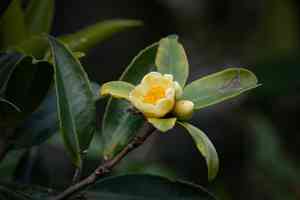
A compact, perennial bush featuring lustrous foliage, common tutcheria thrives with periodic trimming. In winter, shorten elongated branches and eliminate deceased or ailing wood to stimulate robust spring development. Trimming improves its inherent contour, fosters fresh leaves, and preserves the plant's well-being. Avoid excessive pruning, as this may hinder blooming. Aim for moderate trimming to sculpt the plant and uphold a dense structure, ideal for decorative presentations.
Advantages of Trimming Common Tutcheria
Advantages of Trimming Common Tutcheria
Trimming common tutcheria promotes vigorous development and maintains its desired form. Removing old or excess branches allows light and air to reach inner foliage, fostering robust health and enhancing visual appeal.
Optimal Period for Trimming Common Tutcheria
Optimal Period for Trimming Common Tutcheria?
Late winter, just before the spring growth cycle begins, is ideal for pruning common tutcheria. This timing allows common tutcheria to recover swiftly and direct its energy into new growth as temperatures rise. Pruning in late winter minimizes disease and pest risks, which are more common in warmer, wetter conditions. It also prevents damage to buds and blooms that would occur if pruning happened during the flowering season. Trimming before spring helps maintain the plant's shape, encourages a healthy structure, and can improve the size and quality of its flowers or fruits for the upcoming season.
Tools Required for Pruning Common Tutcheria
Bypass Pruners
These pruners are perfect for making clean cuts on smaller branches of common tutcheria, which is vital for encouraging healthy growth and preventing disease.
Hand Saws
For common tutcheria's thicker branches that exceed the capacity of bypass pruners, a sharp hand saw is the most appropriate tool, providing the necessary force without harming the plant.
Loppers
Loppers are essential for cutting branches of medium thickness on common tutcheria, where bypass pruners are insufficient and a hand saw is excessive.
Pruning Shears
For shaping and maintaining the dense foliage of common tutcheria, pruning shears are excellent for snipping smaller stems and leaves.
How to Prune Common Tutcheria
Clean tools
Sanitize pruning shears with alcohol or bleach solution to prevent disease transmission when cutting common tutcheria.
Dead branches
Identify and remove dead branches by cutting just beyond the branch collar to promote healthy healing without harming common tutcheria.
Diseased branches
Inspect common tutcheria for diseased branches, indicated by discoloration and withered appearance; isolate and dispose of them properly to avoid contamination.
Smooth cuts
Make clean, smooth cuts on common tutcheria to aid in quick recovery and reduce chances of pest invasion.
Disinfect
After pruning, disinfect tools again to prevent the transfer of potential pathogens to other plants or back to common tutcheria.
Common Pruning Errors with Common Tutcheria
Overpruning
Removing too much foliage at once can stress common tutcheria, hindering its growth and flowering potential. Aim to remove no more than one-third of the plantâs overall volume in a single pruning session.
Improper cut location
Cutting too far from or too close to a bud can result in poor growth or damage to common tutcheria. Make cuts just above buds, ensuring they are angled away from the center of the plant to promote outward growth.
Using dull tools
Dull pruning tools can tear common tutcheria's branches, leading to uneven cuts that are vulnerable to disease. Always use sharp, clean shears or clippers to create clean cuts that heal swiftly.
Pruning without plan
It's a common error to start pruning common tutcheria without a clear goal. Before cutting, consider the shape and health of the plant. This will help avoid excessive or undesired removal of branches.
Ignoring diseased limbs
Neglecting to remove diseased or damaged limbs can allow the problem to spread throughout common tutcheria. Affected branches should be pruned to maintain plant health.
Neglecting tool hygiene
Not sterilizing tools between cuts, especially when dealing with diseased plants, can transfer pathogens to healthy parts of common tutcheria or other plants in the garden.
General Pruning Advice for Common Tutcheria
Selective pruning
To encourage robust growth and flowering, selectively prune crowded, weak, or crossed branches from common tutcheria. This helps improve air circulation and light penetration.
Correct angle cut
Cut at a 45-degree angle about 1/4 inch above an outward-facing bud to promote healthy new growth away from the center of common tutcheria.
Clean cut technique
Use a clean, sharp cutting tool to make precise, clean cuts. This reduces the chance of infection and ensures quick healing for common tutcheria.
Identify focal points
Identify the strongest and healthiest branches to retain as focal points for common tutcheria. Prune around these to shape the plant and encourage a strong, appealing framework.
Stepwise pruning
For inexperienced gardeners, practice stepwise pruning on common tutcheria, progressively assessing the plantâs shape and health after each cut to avoid overpruning.
Post prune care
After pruning, apply a water-soluble fertilizer to provide common tutcheria with the necessary nutrients to recover and flourish.



