How to Prune Blunt Mountainmint?
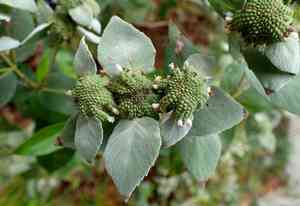
This perennial herb, recognized by its thick groupings of purple blossoms, thrives with deliberate trimming to foster a more compact habit. Cut back blunt Mountainmint during late winter or early spring, prior to the emergence of new shoots. During the active growth period, remove faded flowers to encourage ongoing blooming, and snip back stems in early summer to improve the plant's dense shape. If preferred, reduce the foliage in autumn after the flowering period, which can also contribute to more robust and thriving plants for the subsequent season.
What Are the Benefits of Pruning Blunt Mountainmint?
What Are the Benefits of Pruning Blunt Mountainmint?
Trimming blunt Mountainmint promotes more abundant flowering, revitalizes growth, and maintains its compact shape, crucial for both aesthetic appeal and plant health. Consistent pruning ensures a neat look and optimizes plant vigor.
What Is the Best Time for Pruning Blunt Mountainmint?
What Is the Best Time for Pruning Blunt Mountainmint?
Pruning blunt Mountainmint in late spring or early summer is optimal as it coincides with the conclusion of its flowering period, typically allowing gardeners to shape the plant and stimulate a second bloom. This timing ensures that the essential oils, which are most potent during flowering, are not lost due to trimming. Furthermore, pruning during this interval enables the plant to focus on new development and recovery throughout the summer. Fall trimming is not advised as it can lead to new growth vulnerable to frost damage.
What Tools Do I Need to Prune Blunt Mountainmint?
Hand Pruners
Blunt Mountainmint can be effectively trimmed using sharp, bypass hand pruners. These tools provide a clean cut essential for maintaining plant health and fostering good branching. The hand pruners should be capable of handling the delicate stems of blunt Mountainmint without causing harm.
Pruning Shears
For shaping and trimming the softer, herbaceous parts of blunt Mountainmint, a pair of pruning shears would be ideal. Pruning shears can help thin out and shape the plant to improve air circulation and maintain the desired form.
Garden Scissors
Garden scissors are useful for removing spent flowers and can be used for precision work on blunt Mountainmint. They make it easy to remove old flowers without damaging the surrounding stems or foliage.
Pruning Saw
Though not commonly needed for blunt Mountainmint because of its growth habit, a small, sharp pruning saw may be used for cutting back any woody stems that develop over time. This tool is more applicable for mature plants that require more significant structural pruning.
How to Prune Blunt Mountainmint
Cleaning tools
Before starting to prune blunt Mountainmint, sterilize all pruning tools with rubbing alcohol or a bleach solution to prevent the spread of disease.
Removing diseased leaves
Carefully inspect blunt Mountainmint for diseased leaves. Using your sanitized shears, make clean cuts to remove any leaves that show signs of disease, taking care not to damage adjacent healthy tissue.
Eliminating withered leaves
Identify withered or dead leaves on blunt Mountainmint. Gently remove these leaves by plucking or cutting them off at the base where they meet the stem.
Deadheading flowers
To encourage further blooming and prevent seed spread, deadhead spent flowers on blunt Mountainmint. Snip the withered flowers at their base, just above a set of healthy leaves or a new flower bud.
Post pruning care
After pruning blunt Mountainmint, dispose of all pruned material away from the garden to deter pests and disease. Water and mulch blunt Mountainmint to help it recover from pruning stress.
Common Pruning Mistakes with Blunt Mountainmint
Overpruning
Pruning blunt Mountainmint too drastically can lead to stress and stunt its growth. Removing more than one-third of the plant at a time can be harmful.
Blunt tools
Using blunt or dirty pruning tools can create jagged cuts that are more susceptible to disease and pests, and can damage the stems of blunt Mountainmint.
Pruning healthy growth
Removing healthy growth indiscriminately can reduce the plant's ability to flourish and produce flowers. It's essential to target the correct areas when pruning.
Ignoring dead material
Failing to remove dead or diseased material can lead to a buildup of pests and disease, detracting from the health and appearance of blunt Mountainmint.
Improper cut angle
Incorrect cutting angles can prevent water runoff, potentially causing rot or disease. Angled cuts are crucial for the health of the cuts.
Not pruning at all
Complete avoidance of pruning can result in blunt Mountainmint becoming overgrown, which may decrease air circulation and light penetration, leading to a decline in plant vitality.
Common Pruning Tips for Blunt Mountainmint
Clean cuts
Make sure to use clean, sharp pruning shears to make precise cuts on blunt Mountainmint, which will facilitate quicker healing and reduce the risk of disease.
Prune dead material
Regularly remove dead or diseased stems and spent flowers from blunt Mountainmint, which will promote new growth and improve air circulation.
Thinning
Thin out crowded areas of blunt Mountainmint to enhance light penetration and air flow, which are essential for preventing disease and encouraging robust growth.
Shape plant
Shape blunt Mountainmint by selectively pruning to maintain an attractive and healthy form without compromising the plant's natural growth habit.
Cut angled
When cutting back stems on blunt Mountainmint, make angled cuts just above a node or set of leaves to encourage proper water runoff and new growth.
Monitor plant response
After pruning, observe how blunt Mountainmint responds. Adjust your technique and frequency based on the plant's growth and flowering patterns.



