How to Prune Pomegranate?
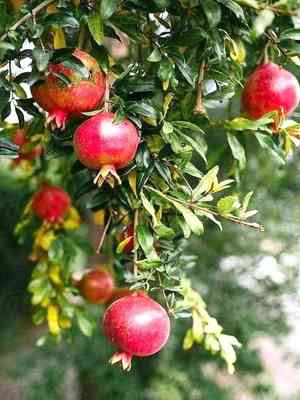
Celebrated for its vivid blossoms and succulent produce, the pomegranate necessitates meticulous trimming to preserve its well-being and boost fruit yield. Essential methods include reducing dense branches and eliminating basal shoots, as well as any lifeless or ailing wood. The most effective pruning occurs in late winter to encourage robust development in spring. For pomegranate, strategic cutting can improve sunlight penetration and airflow, which are crucial for superior fruit development and averting illnesses.
What Are the Benefits of Pruning Pomegranate?
What Are the Benefits of Pruning Pomegranate?
Trimming pomegranate ensures a more plentiful yield by encouraging fruit production. It promotes more vigorous growth and maintains its desired form, which is crucial for both aesthetic appeal and plant health.
What Is the Best Time for Pruning Pomegranate?
What Is the Best Time for Pruning Pomegranate?
Late winter is the optimal time for pruning pomegranate, as it allows for the removal of dead or damaged wood before the plant's active growth and flowering period begins. Pruning at this time helps establish a strong structure and directs energy towards producing high-quality fruit. It also reduces the likelihood of disease and pest infestations, which can worsen with open wounds during warmer, wetter months. Furthermore, since pomegranate is dormant in winter, the impact of pruning on its energy reserves is minimal, leading to robust blooming and fruit set in the subsequent season.
What Tools Do I Need to Prune Pomegranate?
Hand Pruners
Perfect for making precise cuts on pomegranate's slender branches and for removing spent flowers. Hand pruners come in two varieties: anvil and bypass. Bypass pruners are generally preferred as they create cleaner cuts without crushing stems, which is vital for healthy regrowth in pomegranate.
Loppers
These are useful for cutting through thicker branches that hand pruners cannot manage. They feature long handles, providing greater leverage and enabling access to the denser parts of pomegranate's canopy.
Pruning Saws
When pomegranate's branches are too thick for loppers, a pruning saw becomes necessary. These saws are designed to cut on the pull stroke and can handle branches several inches in diameter.
Pole Pruners
For maintaining pomegranate trees, pole pruners allow for trimming higher branches without needing a ladder. This tool combines a saw and a bypass-cutting blade, operable from the ground.
Gloves
Protective gloves are essential to shield the gardener's hands from thorns and rough bark while pruning pomegranate.
Cleaning Solution
Ensuring tools are clean before and after pruning pomegranate helps prevent disease spread. A simple solution can be made from diluted bleach or alcohol.
How to Prune Pomegranate
Step1: Optimal Pruning Season Identification
Determine the correct time of year for pruning pomegranate, typically late winter or early spring before new growth commences.
Step2: Pruning Tool Sterilization
Sanitize your pruning tools with a 10% bleach solution or rubbing alcohol to prevent the spread of diseases.
Step3: Dead Branch Removal
Begin by removing dead branches, cutting them back to healthy wood with clean, slightly angled cuts.
Step4: Diseased Wood Excision
Inspect pomegranate for diseased wood, which may appear discolored, withered, or show fungal growth. Cut diseased branches at least 6 inches into healthy wood to ensure complete removal of the disease.
Step5: Sucker Shoot Elimination
Look for suckers, which are shoots growing from the base of pomegranate or from roots, and remove them by cutting as close to the main stem or root as possible without causing damage.
Step6: Branch Thinning for Light and Air Flow
Thin out overcrowded branches to improve light penetration and air circulation within pomegranate's canopy. Selectively remove older branches to allow new growth to flourish.
Step7: Shaping and Size Maintenance
Shape pomegranate by trimming overgrown branches to maintain the desired form and size. Make shaping cuts just above a leaf node or bud facing the outside of the plant to encourage outward growth.
Step8: Post-Pruning Clean-Up
After pruning, clear away all removed plant material from around pomegranate to minimize the potential for disease and pests.
Step9: Post-Pruning Watering and Fertilization
Water pomegranate after pruning to help reduce stress and apply a balanced fertilizer to support new growth.
Step10: Post-Pruning Monitoring and Care
Monitor pomegranate for signs of stress or disease following pruning and provide appropriate care as needed.
Post-Pruning Care for Pomegranate
Post-Pruning Care for Pomegranate
Immediately after pruning pomegranate, ensure clean cuts to prevent infection. Post-pruning, maintain pomegranate's environmental conditions; provide bright, indirect light and keep the temperature stable, avoiding cold drafts. Maintain moderate humidity to support recovery. Begin fertilization one month after pruning, using a balanced, slow-release fertilizer to aid pomegranate in regrowth, applying it according to package instructions. Regularly inspect pomegranate for signs of stress, such as wilting or discoloration, and signs of infection like unusual spots or decay. Promptly address concerns with appropriate fungicides or pest control measures as necessary.
Common Pruning Mistakes with Pomegranate
Neglecting to Remove Suckers and Water Sprouts
A frequent error is failing to remove suckers or water sprouts, which are vigorous vertical growths that divert energy away from pomegranate's fruiting branches.
Improper Pruning Intensity: Excessive or Insufficient
Novice gardeners often make the mistake of pruning too much or too little. Over-pruning can stress the plant, while under-pruning can lead to poor air circulation and light penetration.
Using Dull or Dirty Pruning Equipment
Another common error is using dull or dirty pruning tools. This can result in ragged cuts that are susceptible to disease and may impede pomegranate's healing process.
Incorrectly Cutting Branches Flush to Trunk
Cutting branches flush to the trunk is a misstep that can cause multiple sprouts from the wound or may even lead to decay as it prevents the tree from forming a proper callus.
Omitting Dead or Diseased Wood Removal
Some gardeners neglect to remove dead or diseased wood during pruning, which can be detrimental to the overall health of pomegranate as it can harbor pests and diseases.
Common Pruning Tips for Pomegranate
Prune Dead, Damaged, or Diseased Branches First
Start by removing any dead, damaged, or diseased branches, cutting back to healthy wood to prevent infection and improve air circulation within pomegranate's canopy.
Thin Center for Better Sunlight and Airflow
Thin out the center of the tree to enhance sunlight exposure and air flow, which are critical for fruit development and reducing disease risk in pomegranate.
Prune to Maintain Natural Shape and Balance
Maintain pomegranate's natural shape by selectively pruning to encourage outward-facing buds, which will grow into branches that contribute to a balanced canopy.
Make Clean, Angled Cuts Above Buds or Branches
Make clean, angled cuts just above buds or branches when pruning pomegranate, ensuring that the angle slopes away from the bud to prevent water pooling and potential rot.
Sanitize Tools Between Trees to Prevent Disease
Periodically sanitize pruning tools with a solution of bleach or alcohol when moving between trees to prevent the spread of disease in pomegranate.
Preserve Fruit-Bearing Spurs
Identify and preserve the fruit-bearing spurs on pomegranate, since they are responsible for flower and fruit production, and avoid cutting them back excessively.



