How to Prune White-haired old-man?
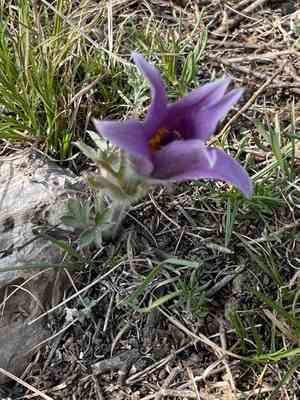
This perennial herb, recognized for its soft, silvery leaves, thrives with the removal of spent blossoms following its flowering period to encourage additional blooms. Trim away faded flowers during the summer, and reduce the foliage in autumn. This practice fosters robust regeneration and sustains vitality. Refrain from pruning in spring, as white-haired old-man produces fresh growth at that time. Strategic seasonal pruning minimizes undue strain, bolstering disease immunity and promoting an orderly growth pattern.
Advantages of Trimming White-haired Old-man
Advantages of Trimming White-haired Old-man
Trimming white-haired old-man promotes more abundant flowering and robust development. Regular trimming helps maintain its desired form and can lead to a healthier specimen by enhancing light and air circulation.
Optimal Period for Trimming White-haired Old-man
Optimal Period for Trimming White-haired Old-man
Late spring to early summer is the best time for trimming white-haired old-man, coinciding with its post-flowering phase. Pruning after blooms fade allows for the removal of spent flowers and shaping without risking the loss of future buds. This timeframe is vital for fostering vigorous growth and revitalization, as it avoids stressing white-haired old-man during winter dormancy and ensures the plant can recover and store energy for the subsequent blooming cycle. Furthermore, pruning at this point helps deter diseases and pests that are more common in damp, cooler periods.
Tools Required for Trimming White-haired Old-man
Bypass Pruners
Perfect for making clean, precise cuts on white-haired old-man's slender stems without causing unnecessary harm to the plant's tissues.
Pruning Snips
Especially useful for removing white-haired old-man's faded flowers, thanks to their smaller size and accuracy for delicate tasks.
Handheld Shears
Suitable for shaping white-haired old-man's foliage, as their longer blades can neatly trim larger areas while still offering control.
How to Trim White-haired Old-man
Sanitize tools
Before beginning, disinfect pruning implements with a solution of 1 part bleach to 9 parts water, preventing disease transmission to white-haired old-man.
Remove diseased parts
Carefully inspect white-haired old-man and snip off any diseased leaves at their base with clean scissors or secateurs, being careful to avoid healthy tissue.
Cut withered leaves
Identify and remove withered leaves, cutting at the point where they meet the stem or the next healthy leaf to encourage plant vitality.
Deadhead flowers
Remove spent flowers by pinching them off or using secateurs to cut back to the first set of healthy leaves, stimulating future blooms.
Disposal
Gather and discard all removed plant material in a manner that prevents contamination of healthy plants or compost to inhibit disease spread.
Common Trimming Errors with White-haired Old-man
Excessive Pruning
A frequent error is removing too much foliage, which can stress white-haired old-man and diminish its vigor. Prune sparingly to maintain the plant's natural form and avoid cutting back more than one-third of the plant in a single session.
Improper Pruning Technique
Using dull or dirty pruning tools can harm white-haired old-man, creating jagged cuts prone to disease. It's crucial to use sharp, clean shears and make precise cuts just above a leaf set or bud.
Pruning Without Purpose
Randomly cutting branches without understanding white-haired old-man's growth habit can result in a misshapen plant. Every cut should aim to improve the plant's structure and health.
Neglecting Deadheading
White-haired old-man benefits from the removal of spent flowers, but gardeners may forget to deadhead regularly. This oversight can hinder the plant from producing new blooms or energizing the next year's growth.
General Trimming Advice for White-haired Old-man
Selective Pruning
To foster a healthy, attractive plant, selectively remove only the dead or weak stems of white-haired old-man. Focus on shaping the plant to preserve its natural form.
Timing of Prune
While avoiding specifying the season, it's crucial to prune white-haired old-man at a time that aligns with its growth cycle. Prune after significant growth or flowering phases to promote blooming and prevent damage to next year's buds.
Cleanliness
Ensure all pruning tools are clean and disinfected before starting, to prevent the spread of diseases to white-haired old-man. This is especially important when working with multiple plants.
Deadheading
For optimal plant health and aesthetic appeal, deadhead white-haired old-man by cutting spent flowers back to the base or to the next bud to stimulate new growth and potentially more blooms.



