How to Prune Common lungwort?
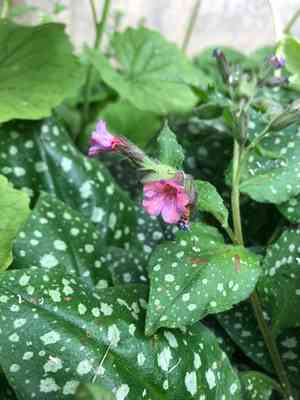
Known for its speckled foliage and groupings of blue, pink, or white blossoms, common lungwort flourishes in shaded garden areas. Crucial trimming entails removing faded flowers to stimulate additional blooming and eliminating aged leaves post-flowering to sustain the plant's robustness. Trim common lungwort in the early spring following the final frost and in late summer, steering clear of times of complete leaf development. Trimming enhances air movement and lowers the chance of illness, elevating the plant's aesthetic value.
Advantages of Trimming Common Lungwort
Advantages of Trimming Common Lungwort
Trimming common lungwort promotes vigorous development by eliminating spent blossoms, which can encourage a subsequent flowering. Consistent pruning helps preserve its decorative form, ensuring a dense and thriving look.
Optimal Time for Pruning Common Lungwort
Optimal Time for Pruning Common Lungwort
Pruning common lungwort in early spring is beneficial as it aligns with the period after dormancy and prepares the plant for robust new growth. Removing dead or diseased foliage at this time enhances air circulation and light penetration. Late summer pruning takes advantage of the growth slowdown after flowering, directing the plant's energy towards root and shoot development before dormancy, ensuring strong health for the next cycle.
Tools Required for Pruning Common Lungwort
Hand Pruners
Perfect for snipping off withered leaves and stems of common lungwort without harming the delicate surrounding foliage.
Gloves
Shield hands from moisture and potential skin irritants when handling common lungwort, as the plant can sometimes cause irritation.
Pruning Shears
Excellent for shaping and cutting back common lungwort post-flowering to maintain plant vitality and appearance.
Garden Scissors
Useful for precise adjustments and deadheading common lungwort to stimulate a second bloom and to remove unwanted or diseased foliage with accuracy.
Waste Container
To collect and dispose of the pruned sections of common lungwort immediately, minimizing the spread of any potential diseases and keeping the area tidy.
How to Prune Common Lungwort
Step1: Identifying Dead or Unhealthy Foliage
Locate dead or dying leaves on common lungwort. These are typically discolored, brown, or yellow and may appear wilted or brittle.
Step2: Trimming Dead Leaves Precisely
Using clean, sharp scissors or pruning shears, carefully snip the dead leaves at their base where they meet the soil or just above the plant's crown without damaging new growth.
Step3: Spotting Withered Flowers
Inspect common lungwort for withered flowers. Look for blooms that are fading, drooping, or have already turned brown.
Step4: Deadheading Flowers for Reblooming
Prune the spent flowers by making a clean cut with your shears just behind the flower head, above the first set of healthy leaves. This will encourage further flowering and prevent the plant from putting energy into seed production.
Step5: Thinning for Air Circulation and Shape
Thin out crowded areas to promote good air circulation. Selectively prune any excess growth by cutting at the base of the stem to maintain the plant's natural shape and vigor.
Step6: Disposing Pruned Debris
Clean up all pruned material by removing it from the area to help prevent the spread of disease and pests.
Step7: Post-Pruning Care and Fertilization
After pruning, water common lungwort if the soil is dry and apply a balanced, slow-release fertilizer to encourage healthy new growth, following the manufacturer's instructions for dosage.
Step8: Sanitizing Pruning Tools
Sanitize your pruning tools after finishing by wiping them with a solution of 1 part bleach to 9 parts water to prevent the potential transfer of diseases to other plants.
Post-Pruning Care for Common Lungwort
Post-Pruning Care for Common Lungwort
Following pruning, common lungwort requires immediate care to support healing and regrowth. Ensure it is situated in a location with dappled sunlight and maintain consistent moisture levels without overwatering. Protect common lungwort from extreme temperatures; a cool, stable environment is crucial. Apply a balanced liquid fertilizer to promote recovery, but avoid over-fertilization. Regularly inspect common lungwort for signs of distress, such as wilt, discoloration, or pest presence. Should any issues arise, promptly address with appropriate cultural adjustments or treatments.
Common Pruning Errors with Common Lungwort
Excessive Pruning Induces Stress
Pruning common lungwort too harshly can lead to stress and reduced vigour. Avoid cutting back more than one-third of the plant at a time.
Disease Spread by Dead Foliage
Neglecting to remove dead or diseased foliage can promote the spread of diseases and pests to healthy areas of common lungwort.
Dirty Pruning Tools Spread Pathogens
Using dirty pruning tools can introduce pathogens to common lungwort. Always clean and sterilize tools before use.
Ragged Cuts Lead to Disease Entry
Tearing leaves or stems instead of making clean cuts. Ragged edges can harm common lungwort and may lead to disease entry or poor regrowth.
Disregarding Plant's Natural Shape
Ignoring the natural shape of common lungwort, resulting in a less aesthetically pleasing plant and potentially impeding its growth.
Over-Pruning Reduces Energy Production
Pruning live, healthy foliage that could be important for photosynthesis and the overall energy production of common lungwort.
Common Pruning Tips for Common Lungwort
Sterilize Shears for Disease Prevention
Sterilize pruning shears with isopropyl alcohol or a bleach solution to prevent disease spread when cutting common lungwort.
Remove Only Dead or Damaged Leaves
Focus on removing only the dead or damaged leaves of common lungwort to maintain plant health and appearance.
Cut Back Flowered Stems After Blooming
Cut back the flowered stems of common lungwort to the base after blooming to encourage a second flush of growth and maintain a tidy appearance.
Angled Cuts Prevent Water Accumulation
Make clean, angled cuts on common lungwort to prevent water accumulation that could lead to rot and to encourage faster healing.
Thinning for Better Air Circulation
Thin out congested areas of common lungwort to improve air circulation, which can reduce the likelihood of fungal infections.
Deadheading Spent Blooms for Growth
Regularly deadhead spent blooms on common lungwort to redirect energy into foliage growth and new flower production.



