How to Prune Chinese wingnut?
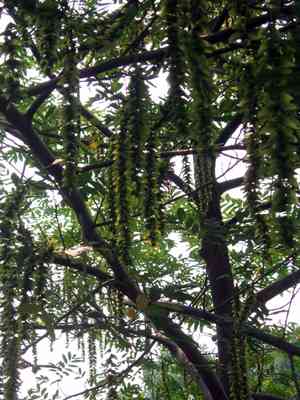
Regarding the Chinese wingnut, a deciduous tree recognized for its expansive limbs and distinctive winged seeds, conduct pruning from late winter to early spring prior to foliage emergence. Eliminate any deceased, fractured, or ailing branches to improve its form and overall well-being. Reducing density in congested zones fosters air circulation, thereby diminishing the likelihood of disease. Deliberate cuts contribute to a robust framework, and judicious trimming guarantees robust development. Swiftly attend to suckers and water shoots. Purposeful pruning ultimately yields a more robust and visually appealing tree.
What Are the Benefits of Pruning Chinese Wingnut?
What Are the Benefits of Pruning Chinese Wingnut?
Trimming chinese wingnut promotes robust development and maintains its desired form. Regular cutting eliminates dead wood that hinders growth, while shaping manages size and enhances structure, resulting in a healthier, more attractive plant.
What Is the Best Time for Pruning Chinese Wingnut?
What Is the Best Time for Pruning Chinese Wingnut?
Pruning chinese wingnut in late winter and early spring is beneficial as these periods precede the plant's active growth phase. Late winter pruning ensures minimal sap loss, which helps reduce stress on chinese wingnut and lowers infection risk. Early spring pruning coincides with the start of new growth, aiding in shaping the plant and fostering a strong structure. This timing avoids cutting new shoots that emerge in spring, which are vital for that year's growth and development. Additionally, pruning just before the spring growth spurt allows for rapid healing of any cuts. Gardeners should avoid pruning during flowering or fruiting periods, as this can negatively affect the plant's ability to produce blossoms and fruits.
What Tools Do I Need to Prune Chinese Wingnut?
Hand Pruners
Perfect for making clean cuts on chinese wingnut's smaller branches, typically up to ¾ inch in diameter. Bypass pruners are preferred for their sharp, scissor-like action that allows for precise cutting and minimizes damage to the plant tissues.
Loppers
Suitable for cutting thicker branches, up to 1½ to 2 inches in diameter, on chinese wingnut. The long handles provide leverage to cut through denser wood with less effort and reach higher branches.
Pruning Saw
Essential for removing larger limbs over 2 inches in diameter from chinese wingnut. A saw with a curved blade can make it easier to cut in tight spaces and ensure a clean cut without tearing the bark.
Pole Pruner
Useful for reaching and cutting branches high up in chinese wingnut. It allows the gardener to prune without using a ladder, which increases safety.
Hedge Shears
Appropriate for shaping and trimming hedges if chinese wingnut is being grown in a hedge or screen format. These are best for cutting multiple small stems at once and creating straight, formal lines.
Gloves
Crucial for personal protection when pruning chinese wingnut to prevent scratches and other minor injuries from branches and foliage.
Pruning Sealant
Though not a tool, it's advisable to have a pruning sealant available for larger cuts to protect chinese wingnut from diseases and pests after pruning.
How to Prune Chinese Wingnut
Clean Tools
Before beginning, ensure all pruning tools are clean and sharp to prevent disease spread and to make clean cuts.
Remove Dead Branches
Carefully remove dead branches by cutting at the point where they meet healthy wood, being careful not to damage the collarâthe area where the branch connects to the trunk or another branch.
Excise Diseased Branches
Identify and remove diseased branches by cutting well into healthy tissue to prevent disease spread; dispose of these properly away from chinese wingnut.
Thin Crown
Thin the crown of chinese wingnut if necessary by selectively removing branches to improve light penetration and air circulation, focusing on crowded areas but retaining the overall natural shape.
Clean Up
After pruning, clear all debris from around chinese wingnut to deter pests and diseases, and to maintain a neat appearance.
Common Pruning Mistakes with Chinese Wingnut
Over-Pruning
Removing too much foliage from chinese wingnut at once can shock the plant, potentially leading to weakened growth or even death.
Improper Cut Location
Cutting too close or too far from the node can harm chinese wingnut, either by preventing proper healing or by leaving unsightly stubs that could decay.
Neglecting Tool Hygiene
Using dirty pruning tools can introduce diseases to chinese wingnut. It's crucial to disinfect tools before use to prevent the spread of pathogens.
Tearing Limbs
Ripping or tearing branches instead of making clean cuts can damage chinese wingnut's tissues, weakening the plant and attracting pests or diseases.
Ignoring Plant Structure
Not considering the natural growth pattern of chinese wingnut when pruning can lead to an unbalanced shape and impair the plant's health.
Common Pruning Tips for Chinese Wingnut
Sharp Tools
Use sharp, clean pruning shears or saws to make clean, precise cuts that will heal more quickly and minimize stress on chinese wingnut.
Strategic Thinning
Thin out crowded or crossing branches to improve air circulation and light penetration, which supports the overall health of chinese wingnut.
Node Cutting
Make cuts just above an outward-facing bud or node to direct new growth away from the center of chinese wingnut, which encourages a more open and aesthetically pleasing form.
Gradual Pruning
If substantial pruning is necessary, spread it out over multiple seasons, allowing chinese wingnut to recover between sessions.
Healing Promotion
After pruning, ensure chinese wingnut has adequate water and nutrients to promote quick healing and robust regrowth.



