How to Prune Common Hoptree?
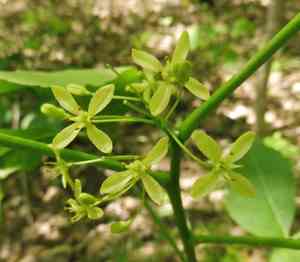
Characterized by its three-part leaves and groupings of pale green blossoms, the common Hoptree is a deciduous woody plant that might necessitate formative trimming to preserve its form and vitality. For the common Hoptree, conduct pruning in late winter or early spring prior to the emergence of new foliage. Initially, eliminate any lifeless, injured, or ailing branches. Reducing density in congested zones enhances air movement and light penetration, which can boost robustness and bloom production. Restrict annual pruning to a maximum of one-third of the crown to avoid stressing the specimen.
What Are the Advantages of Trimming Common Hoptree?
What Are the Advantages of Trimming Common Hoptree?
Trimming common Hoptree stimulates growth and maintains its desired form. It also enables gardeners to control its size and shape, fostering a healthier, more visually appealing structure through deliberate cuts.
When Is the Optimal Time for Trimming Common Hoptree?
When Is the Optimal Time for Trimming Common Hoptree?
Trimming or shaping common Hoptree during late winter and early spring offers the most benefits. In late winter, common Hoptree is still dormant, which minimizes stress and allows the plant to recover effectively without diverting energy from vital processes like growth. Furthermore, the risks of potential disease or pest infestations are lower as many of these organisms are inactive during colder months. Early spring trimming is also advantageous as it occurs just before the new growth cycle begins, making it easier to shape the plant and manage its size. Trimming at this time ensures that new growth will soon follow the cuts, helping common Hoptree recover quickly. Avoiding trimming during flowering or fruiting periods ensures the plant's ability to reproduce and thrive is not hindered.
What Tools Are Necessary to Trim Common Hoptree?
Bypass Pruners
Perfect for making clean cuts on smaller branches of common Hoptree, bypass pruners cause less damage to the plant, encouraging robust regrowth.
Loppers
For slightly larger branches that are too thick for bypass pruners, loppers provide the necessary leverage and reach to trim common Hoptree without harming surrounding foliage.
Pruning Saw
A pruning saw is essential for common Hoptree when dealing with branches exceeding an inch in diameter that loppers cannot cleanly cut. A pruning saw allows for precision in these situations.
How to Trim Common Hoptree
Identify
Thoroughly inspect common Hoptree to locate all dead and diseased branches that need removal. Dead branches will appear dry, brittle, and lack green growth, while diseased branches may show discolored leaves, cankers, or visible signs of fungal growth.
Sanitize
Before beginning to trim common Hoptree, disinfect your pruning tools with a 10% bleach or alcohol solution to prevent disease transmission.
Cut Dead Branches
Using sharp, clean pruning shears, make cuts to remove dead branches. Cut just above a healthy bud or leaf set, ensuring you do not damage the collar or healthy tissue surrounding the branch base.
Remove Diseased Branches
Carefully remove any diseased branches from common Hoptree. Make cuts well below the affected areas to ensure complete removal of diseased tissue. Disinfect tools after each cut to avoid contaminating healthy parts.
Cleanup
Gather and dispose of all removed dead and diseased material away from common Hoptree. Ensure thorough clean-up to minimize the risk of disease spreading to other plants or back to common Hoptree.
Common Trimming Errors with Common Hoptree
Over-trimming
Removing too much foliage from common Hoptree can weaken the plant by reducing its ability to photosynthesize, causing undue stress.
Incorrect Cuts
Making cuts that are either too close or too far from the buds can harm common Hoptree. Cuts too close can damage the buds, while cuts too far can leave unsightly stubs prone to pests and diseases.
Using Dull Tools
Trimming with dull tools can result in jagged cuts on common Hoptree, which are more susceptible to infection and may not heal properly.
Trimming Without A Goal
Trimming common Hoptree without a clear purpose can lead to a misshapen or poorly sized plant. Every cut should aim to improve the health, shape, or size of common Hoptree.
Ignoring Diseased Or Damaged Wood
Failing to remove diseased, damaged, or dead wood can lead to further decay in common Hoptree, impacting the plant’s health and appearance.
General Trimming Advice for Common Hoptree
Sanitized Equipment
Always use clean, sharp pruning shears to make precise cuts on common Hoptree, reducing the risk of disease spread.
Cutting Technique
When trimming, make angled cuts above the buds. This allows water to drain from the cut surface, preventing rot and promoting healthy new growth.
Selective Thinning
Thin out common Hoptree's older branches to improve light penetration and air circulation, which is vital for the plant's overall health and disease prevention.
Healthy Structure
Focus on establishing and maintaining a strong branch structure for common Hoptree. Remove crossing or rubbing branches to prevent wounds and potential entry points for pests.
Conservative Approach
Adopt a less-is-more approach to trimming common Hoptree. Since the timing information is excluded, practicing conservative trimming ensures that common Hoptree isn't trimmed at the wrong time, which can hinder its growth or flowering potential.



