How to Prune Flatfork fern?
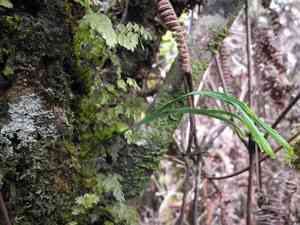
The Flatfork fern, recognized for its unique, unfoliated stalks and straightforward branching pattern, thrives with regular trimming to sustain its vigor. Essential methods involve excising deceased or injured stems and reducing crowded sections to enhance airflow. The most suitable periods for pruning are early spring and late winter, coinciding with its natural development phase. Consistent trimming fosters more robust growth and deters ailments. Exercise caution when pruning to safeguard the plant's fragile framework, employing sanitized, keen implements to avert harm and guarantee accurate incisions.
What Are the Benefits of Pruning Flatfork Fern?
What Are the Benefits of Pruning Flatfork Fern?
Trimming flatfork fern encourages robust development and helps it keep an appealing form. Regular cutting of this species assists in managing its size, eliminating dead or damaged fronds, and fostering a healthier overall look.
What Is the Best Time for Pruning Flatfork Fern?
What Is the Best Time for Pruning Flatfork Fern?
Pruning flatfork fern in early spring or late winter is optimal as it aligns with the plant's dormant phase, reducing stress and enabling healthy regrowth. This timing avoids interfering with flatfork fern's active growth and blooming periods, promoting vigorous and healthy development when growth resumes. Furthermore, pruning during these seasons lowers the risk of diseases and pests that are more common in warmer months.
What Tools Do I Need to Prune Flatfork Fern?
Sharp Hand Pruners
Utilize sharp hand pruners to achieve clean cuts and prevent harm to flatfork fern's delicate stems and branches. Precision is crucial for maintaining the plant's well-being.
Small Scissors
Choose small, accurate scissors to closely trim small fronds and stems, ensuring a neat and tidy appearance without causing damage.
Long-Handled Pruners
These are useful for reaching into the interior of flatfork fern without disturbing the entire plant, allowing for careful trimming of overgrown or damaged sections.
Sterilizing Agent
Essential for disinfecting tools before and after pruning to prevent disease transmission, vital for the health of flatfork fern.
How to Prune Flatfork Fern
Assess
Carefully examine flatfork fern for any diseased or withered leaves that require removal. Be sure to note the location and severity of the issues.
Prepare Tools
Clean and sanitize your pruning scissors or shears with alcohol or a bleach solution to prevent the spread of diseases.
Disinfect Plant
Lightly sanitize the area around the diseased or withered leaves using a mild fungicide or insecticide if pests or fungal infections are suspected.
Trim Diseased Leaves
Remove the diseased leaves by making a clean cut at their base. Ensure to eliminate the entire affected area to prevent further spread of disease.
Trim Withered Leaves
Carefully trim the withered leaves close to the main stem or branch without harming healthy parts of the plant. Dispose of the trimmed sections carefully to avoid contamination.
Common Pruning Mistakes with Flatfork Fern
Over-pruning
Removing too much foliage at once can stress flatfork fern, hindering its growth and development.
Incorrect cuts
Making straight or jagged cuts instead of precise 45-degree angled cuts can damage stem structure and slow recovery.
Pruning during wrong phases
Pruning during growth spurts can disrupt the plant's natural development cycle.
Ignoring hygiene
Using unsterilized tools can introduce disease and pests to flatfork fern.
Common Pruning Tips for Flatfork Fern
Moderation
Trim sparingly to maintain flatfork fern's aesthetic shape and allow natural growth patterns.
Sharp and clean tools
Always use sterilized pruning shears to make clean, precise cuts.
Identify and remove dead portions
Regularly remove dead or damaged parts to promote healthy new growth.
Focus on shape
Prune to maintain the plant's form, promoting an open structure for air circulation and light penetration.
Observe regularly
Regular observation helps you identify which sections need attention, avoiding the need for extensive pruning later.



