How to Prune Mouse yeast grass?
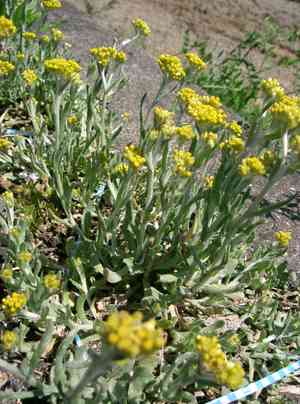
Mouse yeast grass, an herbaceous perennial, features silver-green leaves and delicate, fluffy seed heads. To achieve the best development, trim in the spring to eliminate deceased matter or in the autumn after it has flowered. During the summer, you might deadhead to stimulate additional blossoms. Consistent trimming fosters denser growth and sustains the plant's vitality. Always employ sanitized, sharp implements to avert illness during the pruning process. Correct methods enhance both the form and the well-being of mouse yeast grass, guaranteeing a dense and appealing appearance.
What Are the Benefits of Pruning Mouse Yeast Grass?
What Are the Benefits of Pruning Mouse Yeast Grass?
Trimming mouse yeast grass promotes more robust development by eliminating dead or diseased tissue and stimulating fresh growth. It also aids in maintaining its form for aesthetic appeal and garden consistency.
What Is the Best Time for Pruning Mouse Yeast Grass?
What Is the Best Time for Pruning Mouse Yeast Grass?
Pruning mouse yeast grass in the spring encourages healthy new growth and the plant's emergence from dormancy. Early summer pruning is optimal for shaping mouse yeast grass and controlling size after the initial spring growth spurt. Trimming in the fall helps to remove any spent or damaged growth before the plant enters dormancy, reducing the potential for disease and ensuring energy is directed to healthy parts of the plant.
What Tools Do I Need to Prune Mouse Yeast Grass?
Hand Pruners
Mouse yeast grass is a herbaceous perennial, and its soft stems do not require heavy-duty tools. Hand pruners are suitable for making clean cuts without significant effort, allowing the gardener to shape the plant or remove dead or diseased foliage with precision.
Pruning Shears
For maintaining the shape or controlling the size of mouse yeast grass, pruning shears offer a user-friendly option. They can easily handle the thin stems of mouse yeast grass, making them ideal for quick snips and shaping.
Gardening Gloves
When pruning mouse yeast grass, it is always recommended to wear gardening gloves to protect the hands from potential skin irritants or prickly plant parts. Gloves also provide a better grip on the tools.
Garden Scissors
For precision work, such as thinning out crowded stems or deadheading spent flowers on mouse yeast grass, garden scissors with sharp, thin blades are very effective. They offer more control and can easily reach tighter spaces within the plant.
How to Prune Mouse Yeast Grass
Disinfect tools
Before pruning mouse yeast grass, clean and disinfect your pruning shears to prevent the spread of disease. Use a solution of bleach or rubbing alcohol to wipe the blades.
Remove diseased leaves
Carefully trim off any diseased leaves from mouse yeast grass, ensuring not to damage healthy parts of the plant.
Prune dead material
Cut away any withered leaves and dead or diseased branches from mouse yeast grass. Make cuts at a 45-degree angle, close to the base of the affected areas, to promote healthy regrowth.
Shape plant
Thin out mouse yeast grass's overgrowth to shape the plant and improve air circulation. Remove any branches that cross over others or grow inward.
Cleanup
After pruning mouse yeast grass, clean up all removed plant material to reduce the chance of disease. Dispose of diseased parts separately to avoid contaminating compost or other areas of the garden.
Common Pruning Mistakes with Mouse Yeast Grass
Overpruning
Removing too much foliage at once can stress mouse yeast grass, causing weak growth and reducing the plant's vitality.
Improper cutting technique
Using dull or inappropriate tools can lead to jagged cuts, which increases the risk of disease and pest infestations in mouse yeast grass.
Pruning into old wood
Cutting into old wood that no longer produces new shoots can leave mouse yeast grass looking bare and may not regenerate as expected.
Neglecting deadheading
Failing to remove spent flowers can lead to a decline in blooming for mouse yeast grass, as it may not redirect energy towards new growth and flower development.
Lack of cleanliness
Not sterilizing pruning tools before use can introduce pathogens to mouse yeast grass, leading to infections and disease spread.
Common Pruning Tips for Mouse Yeast Grass
Sharp clean tools
Always use sharp, clean pruners to make clean cuts, which will heal faster and minimize harm to mouse yeast grass.
Minimal pruning
Prune minimally to maintain the shape and health of mouse yeast grass, focusing on removing only dead, diseased, or damaged foliage to encourage new growth.
Correct cut placement
Make cuts just above leaf nodes or branching points to stimulate mouse yeast grass to produce new, healthy growth.
Deadheading
Regularly remove spent blooms to promote continuous flowering and prevent mouse yeast grass from putting energy into seed production.
Identifying growth patterns
Understand the growth habits of mouse yeast grass to determine the right areas to prune for shaping and improving air circulation within the plant.



