How to Prune Shaving Brush Tree?
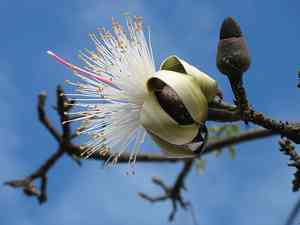
Regarding the unique Shaving Brush Tree, recognized by its distinctive brush-like blossoms, trimming should take place from late winter through early spring. This procedure entails eliminating deceased or compromised branches and sculpting the plant to achieve the preferred dimensions and configuration. Pruning while the plant is dormant prevents the loss of sap, stimulates robust development, and preserves an attractive appearance. Thoughtful cuts additionally enhance air circulation, thereby lowering the likelihood of disease. It is vital to avoid excessive pruning, as this could diminish the plant's flowering capacity.
What Are the Benefits of Pruning Shaving Brush Tree?
What Are the Benefits of Pruning Shaving Brush Tree?
Trimming shaving Brush Tree encourages robust development and preserves its desired shape. Strategic cuts can stimulate beneficial branching, improving the tree's structural integrity and aesthetic appeal, while potentially enhancing its floral display.
What Is the Best Time for Pruning Shaving Brush Tree?
What Is the Best Time for Pruning Shaving Brush Tree?
The ideal times for pruning shaving Brush Tree are late winter and early spring. These periods are advantageous for trimming as they precede the plant's active growth phase. Pruning during late winter, when the plant is still dormant, allows for the removal of any dead or diseased wood without stressing the tree. It also prepares the tree for vigorous spring growth by directing energy into producing new shoots and leaves. Early spring pruning, before new growth begins, is also favorable as it minimizes sap loss and allows wounds to heal quickly before the growth surge. Additionally, this timing helps to shape the tree for the upcoming season without cutting into the new growth that will soon emerge. Pruning before the blooming period ensures that the tree's flowering potential is not diminished, as shaving Brush Tree produces flowers on new growth. Therefore, pruning just before or at the initial stages of the growing season is ideal for maintaining the health and aesthetics of shaving Brush Tree, while supporting its natural growth cycle and enhancing its flowering display.
What Tools Do I Need to Prune Shaving Brush Tree?
Hand Pruners
Given shaving Brush Tree's moderate size and smaller branches, hand pruners are perfect for making precise cuts. Choose bypass pruners for clean cuts that heal rapidly.
Lopping Shears
Shaving Brush Tree can develop thicker branches, and for anything over half an inch in diameter, lopping shears provide the necessary leverage for a clean cut without straining the gardener.
Pole Pruners
For the higher branches of shaving Brush Tree that are out of reach, pole pruners (or pruners on an extendable shaft) can be used to trim without needing a ladder.
Pruning Saw
If shaving Brush Tree has branches exceeding 1.5 inches in diameter, a pruning saw is the preferred tool. It allows for cutting through thick wood without tearing the bark or harming the plant.
How to Prune Shaving Brush Tree
Clean Tools
Sanitize pruning tools before trimming shaving Brush Tree to prevent the spread of diseases.
Remove Dead Branches
Identify and cut away dead branches from shaving Brush Tree, making clean cuts at a 45-degree angle to encourage healing.
Eliminate Diseased Branches
Carefully remove any branches showing signs of disease from shaving Brush Tree, cutting well into healthy tissue to ensure all infected parts are gone.
Smooth Cuts
Smooth any rough edges on the cut surfaces of shaving Brush Tree to promote proper healing and prevent further disease entry.
Dispose Trimmed Material
Properly dispose of the removed dead and diseased branches away from shaving Brush Tree to minimize the risk of reinfection or disease spread.
Common Pruning Mistakes with Shaving Brush Tree
Overpruning
Removing too much foliage from shaving Brush Tree at once can stress the plant, leading to poor growth or reduced flowering.
Improper Cut Placement
Cutting too close to the main stem or leaving too long a stub can hinder proper healing and invite pests or diseases.
Using Dull Tools
Pruning with dull or unclean tools can cause jagged cuts that are detrimental to shaving Brush Tree's health and recovery.
Shearing
Using shearing techniques meant for hedges can result in unnatural shapes and may damage shaving Brush Tree's growth pattern.
Neglecting Disease Prevention
Failing to disinfect pruning tools between cuts, especially when trimming away diseased parts, can spread pathogens to healthy parts of shaving Brush Tree.
Common Pruning Tips for Shaving Brush Tree
Selective Pruning
Focus on removing only dead, diseased, or crossing branches to maintain the natural form of shaving Brush Tree and promote healthy growth.
Sharp Clean Tools
Use sharp, clean pruning shears to make clean cuts that heal quickly and reduce the risk of disease.
Angled Cuts
Make cuts at a 45-degree angle away from the bud to encourage proper water run-off and prevent decay.
Conservative Approach
Adopt a conservative approach by pruning no more than one-third of shaving Brush Tree at a time to avoid shock and stress.
Regular Maintenance
Conduct regular maintenance checks on shaving Brush Tree to identify and remove problematic branches early before they require major cuts.



