How to Prune Common chokecherry?
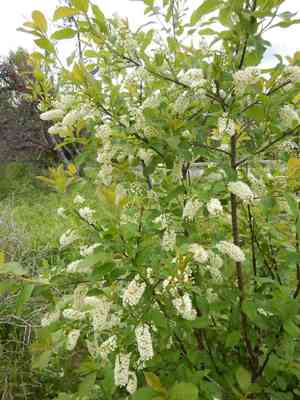
This deciduous woody plant or diminutive tree features groupings of aromatic white blossoms and tart red to dark-colored berries. For Prunus virginiana, perform pruning in late winter or early spring, concentrating on excising deceased or ailing branches and reducing crowded sections to enhance light exposure and air movement. Formative pruning aids in preserving its structure and fostering robust development. Refrain from excessive trimming to avert the stimulation of basal shoots. Pruning boosts fruit yield and general well-being in Prunus virginiana.
Advantages of Trimming Common Chokecherry
Advantages of Trimming Common Chokecherry
Trimming common chokecherry promotes robust development and maintains its desired form. Deliberate branch removal ensures healthy progression and optimal structure.
Optimal Period for Trimming Common Chokecherry
Optimal Period for Trimming Common Chokecherry
Trimming common chokecherry in late winter and early spring is considered ideal as it aligns with the conclusion of the plant's dormant phase and precedes the commencement of its new growth cycle. This timing helps prevent stress on the plant and ensures that any cuts made will heal rapidly as the plant's growth resumes. Furthermore, pruning before the flowering and fruiting seasons allows for shaping the plant without affecting the year's yield. It also minimizes the risk of disease and pest infestation, as wounds are less vulnerable in cooler temperatures and heal quicker during the growing season.
Necessary Tools for Trimming Common Chokecherry
Hand Pruners
For severing small branches, typically under 3/4 inches in diameter, and for making precise cuts to shape the common chokecherry.
Lopping Shears
Designed to manage medium-sized branches up to approximately 1 1/2 inches in diameter, perfect for common chokecherry's younger, thinner growth.
Pruning Saw
For larger branches exceeding 1 1/2 inches in diameter that loppers cannot handle, crucial for maintaining mature common chokecherry.
Pole Pruner
For reaching elevated branches without the need for a ladder, enhancing safety while trimming common chokecherry.
Hedge Shears
Only if common chokecherry is being maintained as a hedge or for formal shapes; these provide a straight, even cut across the foliage.
Pruning Gloves
Protection against thorns and rough bark is vital when handling common chokecherry to prevent injury.
Disinfectant
Keeping tools clean helps prevent the spread of disease between cuts while trimming common chokecherry.
How to Trim Common Chokecherry
Step1: Timing Pruning for Plant Health
Initiate trimming common chokecherry in late winter or early spring before new growth emerges. This timing helps prevent diseases from infecting pruning cuts.
Step2: Tool Selection and Sanitization
Choose and sanitize your trimming tools. Utilize sharp bypass pruners for small branches, loppers for medium branches, and a pruning saw for old wood or large branches. Clean tools with a 10% bleach solution or alcohol to prevent disease transmission.
Step3: Removing Diseased Limbs
Inspect common chokecherry for any diseased limbs, which may appear discolored, have unusual growths, or show signs of decay. Remove these immediately, cutting them back to healthy wood well below the affected areas.
Step4: Old Wood Identification and Removal
Identify old wood on common chokecherry, which is unproductive and can be removed to enhance air circulation. Old wood typically has darker bark and may have fewer leaves or flowers. Cut this wood back to a lateral branch or to the ground if necessary.
Step5: Sucker Growth Management
Cut away suckers, which are vigorous vertical shoots that grow from the root system or base of common chokecherry. Remove these close to their point of origin without leaving stubs, as suckers divert energy from the main plant and can lead to a cluttered growth habit.
Step6: Structural Shaping and Thinning
Shape common chokecherry by selectively trimming to encourage a strong, balanced structure. Remove crossed branches and those growing inward toward the center of the plant. Aim to create an open framework which allows light into the canopy.
Step7: Sealing Pruning Wounds
Seal large wounds with a tree wound dressing to protect common chokecherry from pest invasions and infections. Smaller cuts generally heal on their own without the need for dressing.
Step8: Post-Pruning Cleanup
Clear away all debris from trimming common chokecherry, including fallen leaves, twigs, and cut branches, to reduce the spread of pests and diseases.
Step9: Post-Pruning Plant Monitoring
Observe common chokecherry for signs of stress after trimming, such as wilting or discoloration of leaves. Provide water and mulch if necessary to help the plant recover and promote healthy growth.
Aftercare for Common Chokecherry After Trimming
Aftercare for Common Chokecherry After Trimming
Following the trimming of common chokecherry, promptly apply a sealant to cut surfaces to prevent disease. Maintain a moist environment with regulated sunlight, shielding common chokecherry from extreme temperatures. Initiate light fertilization with phosphorus-rich nutrients to foster root and shoot growth, avoiding nitrogen-heavy formulas that induce weak, rapid growth. Regularly check for wilting or discoloration, indicators of stress or infection. If symptoms appear, promptly apply appropriate fungicides or pesticides, and adjust care parameters to strengthen common chokecherry.
Common Trimming Errors with Common Chokecherry
Excessive Trimming Reduces Plant's Photosynthesis
Over-trimming may remove too much foliage, diminishing the photosynthetic capacity of common chokecherry and making it susceptible to stress and disease.
Ignoring Damaged Branches Compromises Plant Health
Neglecting to remove damaged or diseased branches can impair common chokecherry's overall health and invite further infestations or infections.
Trimming with Dull Tools Damages Branches
Using dull or unclean trimming tools can harm common chokecherry's branches, creating jagged cuts that impede proper healing and may introduce pathogens.
General Trimming Advice for Common Chokecherry
Make Clean, Angled Cuts for Outward Growth
When trimming, make clean cuts at a 45-degree angle just above outward-facing buds to encourage outward growth and open up common chokecherry's canopy for improved air circulation.
Trim Dead and Diseased Branches for Better Structure
Identify and trim out all dead, diseased, or crisscrossing branches to enhance common chokecherry's structure and prevent future issues.
Thin Center for Improved Light and Airflow
Thin out the center of common chokecherry to increase light penetration and airflow, which helps reduce the risk of fungal diseases and encourages more robust growth.



