How to Prune Flowering almond?
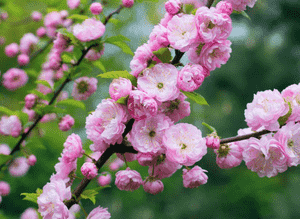
Celebrated for its decorative appeal and dual-pink flowers, flowering almond flourishes with appropriate trimming. Essential methods include excising deceased or injured wood and reducing dense branches to foster air movement. Trimming immediately post-bloom aligns with the plant's developmental rhythm, usually from late spring to early summer. Consistent pruning preserves a dense form and boosts the subsequent season's floral display. Particular points involve executing precise cuts to deter illness and refraining from drastic pruning, which can diminish blooming.
What Are the Benefits of Pruning Flowering Almond?
What Are the Benefits of Pruning Flowering Almond?
Trimming flowering almond promotes abundant blooms and reduces pest and disease risks, leading to more vigorous growth and a richer display.
What Is the Best Time for Pruning Flowering Almond?
What Is the Best Time for Pruning Flowering Almond?
These periods are considered ideal for pruning flowering almond as they occur after the plant's flowering cycle. Flowering almond typically blooms in early spring, and pruning immediately post-bloom allows the plant to recover and stimulate new growth without jeopardizing the following season's flowers. Late spring and early summer pruning also provide flowering almond sufficient time to recuperate before entering its dormant winter phase. Furthermore, this timing aids in disease prevention, as fresh cuts are less vulnerable to infections during dry, warmer weather.
What Tools Do I Need to Prune Flowering Almond?
Hand Pruners
Crucial for precise cuts on smaller branches of flowering almond, typically under 3/4 inch in diameter. Bypass pruners are preferred over anvil types to avoid crushing delicate stems.
Loppers
Perfect for cutting thicker branches of flowering almond, up to 1 1/2 inches in diameter. Bypass loppers ensure cleaner cuts, aiding in better healing for flowering almond.
Pruning Saw
Essential for removing branches of flowering almond exceeding 1 1/2 inches in thickness. A fine-toothed pruning saw creates smooth cuts, minimizing damage to the remaining parts of flowering almond.
Hedge Shears
Useful for shaping flowering almond when a formal hedge appearance is desired. Hedge shears are beneficial for trimming numerous small twigs, but should be used sparingly to prevent an overly dense outer foliage layer.
Pole Pruner
Recommended for reaching higher branches of flowering almond without using a ladder. This tool enables safe pruning from the ground, vital for maintaining taller specimens of flowering almond.
How to Prune Flowering Almond
Step1: Timing for Post-Bloom Pruning
Wait for the appropriate time to prune flowering almond, which is typically after flowering almond has finished blooming in the spring. Pruning at this point encourages better blooming the following season, as flowering almond flowers on the previous year's growth.
Step2: Disinfecting Pruning Tools Pre-Use
Sanitize pruning tools with rubbing alcohol or a 10% bleach solution to prevent disease transmission between plants. Ensure tools are sharp for clean cuts.
Step3: Pruning Dead Wood at Correct Angle
Begin pruning by removing any dead wood. Identify dead branches by their lack of leaves and brittle texture. Make cuts at a 45-degree angle, approximately 1/4 inch above a healthy bud or branch junction, to allow water to run off the cut surface.
Step4: Deadheading to Encourage New Growth
Remove spent flowers once flowering almond has finished blooming by tracing the stem down to the first set of healthy leaves and cutting just above them. This stimulates new growth and potentially a second bloom.
Step5: Removing Diseased Plant Parts
Identify diseased sections, which may appear discolored or show abnormal growth. Cut these parts back to healthy wood, ensuring tools are disinfected after each cut to prevent disease spread.
Step6: Trimming Damaged Wood
Remove any damaged wood, which might be due to pests, physical injury, or environmental factors. Prune back to just above a healthy bud or branch, ensuring cuts are clean and smooth.
Step7: Thinning for Airflow and Light
Thin out the center of flowering almond to ensure good air circulation, which helps reduce disease incidence. Removing crowded branches also allows light to penetrate the canopy, promoting healthier growth.
Step8: Reshaping Plant Form
Reshape flowering almond as needed for aesthetic reasons or to manage its size. When reshaping, focus on preserving the natural form of flowering almond, trimming branches to a desired length, and ensuring the overall shape is balanced and visually appealing.
Step9: Proper Disposal of Pruning Debris
After pruning, dispose of all cuttings away from flowering almond to prevent any diseases or pests from re-affecting the plant. Composting is generally not advised for diseased material.
Step10: Post-Pruning Watering and Fertilization
Water flowering almond thoroughly after pruning to aid its recovery, and apply a balanced fertilizer to encourage healthy growth. Provide regular care according to the plant's needs.
Post-Pruning Care for Flowering Almond
Post-Pruning Care for Flowering Almond
Immediately after pruning flowering almond, water generously and apply a layer of mulch around the base to retain moisture. Ensure flowering almond is situated in a well-lit area but shielded from intense midday sun. Maintain a stable environment, avoiding temperature fluctuations and extreme humidity. Fertilize flowering almond with a balanced, slow-release product to promote healing and growth. Regularly inspect pruning sites for any signs of distress or infection, such as discoloration or oozing. If symptoms appear, treat promptly with an appropriate fungicide or consult a horticultural expert for advice.
Common Pruning Mistakes with Flowering Almond
Tool Disinfection Neglect
Failing to disinfect tools before pruning flowering almond, which can spread disease.
Excessive Foliage Removal
Over-pruning, leading to the removal of too much foliage and causing stress to flowering almond.
Aimless Pruning
Pruning without a clear goal, resulting in indiscriminate cuts that may harm the plant's structure and flowering potential.
Incorrect Branch Cutting
Cutting branches flush against the trunk, which can damage the collar and hinder proper healing.
Neglected Damaged Limbs
Ignoring dead, diseased, or damaged branches, which should be the first to be removed when pruning flowering almond.
Improper Cut Technique
Making jagged cuts or tearing the bark, which can lead to pest infestation and diseases.
Common Pruning Tips for Flowering Almond
Tool Disinfection
Sanitize all pruning tools before use to prevent the spread of disease to flowering almond.
Clean, Oblique Cuts
Make clean, angled cuts above outward-facing buds to encourage outward growth and maintain the shape of flowering almond.
Remove Dead or Diseased Wood
Focus on removing only dead, diseased, or damaged wood, which will improve the health and appearance of flowering almond without over-pruning.
Prune for Open Center
Prune to maintain an open center, allowing light and air to circulate, which helps prevent disease in flowering almond.
Right Tool for Branch Size
Utilize hand pruners, lopping shears, or pruning saws appropriately based on branch thickness to ensure clean cuts.
Prune to Lateral Branches
Always prune back to a lateral branch or bud to encourage healthy growth and preserve the natural form of flowering almond.
Post-pruning Fertilization
After significant pruning, apply a balanced fertilizer to help flowering almond recover from stress and stimulate growth.



