How to Prune Peachbush?
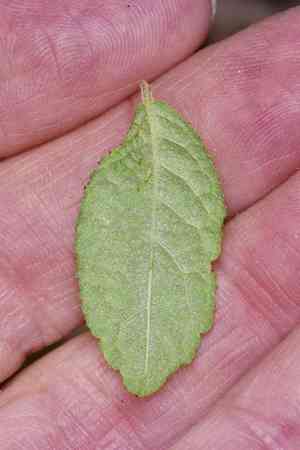
Peachbush, a deciduous shrub, is recognized for its thick, compact growth habit. To ensure peak vitality, trim peachbush during late winter or early spring, prior to the emergence of new foliage. Eliminate any dead or ailing branches and thin out congested sections to boost air movement. Shorten excessively long stems to preserve the preferred form. Pruning stimulates robust development and improves bloom production. Always employ sanitized, sharp implements to avoid harm and lessen the chance of illness.
Advantages of Trimming Peachbush
Advantages of Trimming Peachbush
Trimming peachbush encourages vigorous development and helps maintain its form. Regular trimming fosters robust growth, prevents congestion, and boosts blooming. It also enhances air circulation, lowering the risk of pests and illnesses.
Optimal Period for Pruning Peachbush
Optimal Period for Pruning Peachbush
Pruning peachbush during late winter to early spring is advisable as this timeframe coincides with the plant's dormant state. While dormant, peachbush is less vulnerable to stress and pest infestations post-pruning. Furthermore, trimming before the growing season commences stimulates strong new growth and improves flowering. This timing also enables gardeners to effectively shape and manage the plant's structure prior to its active growth cycle in spring.
Tools Required for Pruning Peachbush
Bypass Pruners
Perfect for making precise cuts on small to medium branches and stems, preserving peachbush's health.
Lopping Shears
Useful for severing thicker branches, typically exceeding 1 inch in diameter, without harming peachbush.
Pruning Saw
Crucial for removing larger branches that cannot be handled by loppers or pruners, ensuring smooth cuts on peachbush.
Hedge Shears
Beneficial for shaping and maintaining peachbush's foliage to encourage a healthy, attractive look.
Anvil Pruners
Less frequently used but effective for dead or tough wood, providing clean and efficient cuts on peachbush.
How to Prune Peachbush
Remove dead branches
Begin by identifying and eliminating all lifeless branches. Utilize sharp and clean pruning shears to make precise cuts near the base of the dead branch but above the main stem or a healthy side branch.
Remove diseased branches
Next, inspect for branches exhibiting signs of illness, such as discoloration, cankers, or unusual growths. Cut these branches at least 6 inches below the visible disease symptoms, ensuring you sanitize your pruning tools after each cut to prevent pathogen spread.
Improve air circulation
Thin out branches in congested areas to enhance air movement through the plant. This aids in preventing future disease development by ensuring foliage dries rapidly. Remove branch segments that are growing inward towards the plant's center.
Shape the plant
To maintain peachbush's natural form and size, selectively prune for shape. Trim back excessively long branches to a lateral bud or branch, and avoid leaving stubs. This preserves the plant's vitality and appearance.
Clean up
Finally, clear all pruned material from around the plant's base to deter pests and diseases. Dispose of these materials properly, especially any diseased parts, to maintain a healthy growing environment.
Common Pruning Errors with Peachbush
Excessive Pruning
Removing too much foliage and branches can hinder peachbush's growth, reduce blooming, and increase susceptibility to diseases.
Incorrect Cuts
Making ragged or improper cuts can damage plant tissue, leading to slow recovery or potential infections.
Pruning at Wrong Angles
Cutting branches at incorrect angles can promote water accumulation, leading to rot and disease entry points.
Neglecting Dead or Diseased Wood
Failing to remove dead or diseased wood can spread pathogens and impede peachbush's overall health.
Pruning Too Often
Overly frequent pruning can stress peachbush, resulting in poor growth and diminished flowering capacity.
General Pruning Advice for Peachbush
Utilize Clean, Sharp Tools
Ensure pruning shears and saws are clean and sharp to make precise cuts and minimize damage to peachbush.
Cut at a 45-Degree Angle
Make cuts at a 45-degree angle to prevent water from collecting on the cuts, which helps avoid rot and disease.
Target Dead, Damaged, or Diseased Wood
Focus on removing any dead, damaged, or diseased wood to keep peachbush healthy and promote better air circulation.
Thin Out Dense Areas
Thin out crowded branches to allow light and air to penetrate, which encourages healthier growth and reduces the risk of fungal diseases.
Leave Enough Foliage
While shaping peachbush, make sure to leave ample foliage to support photosynthesis and overall plant energy.



